
Meme stock yields $110 million
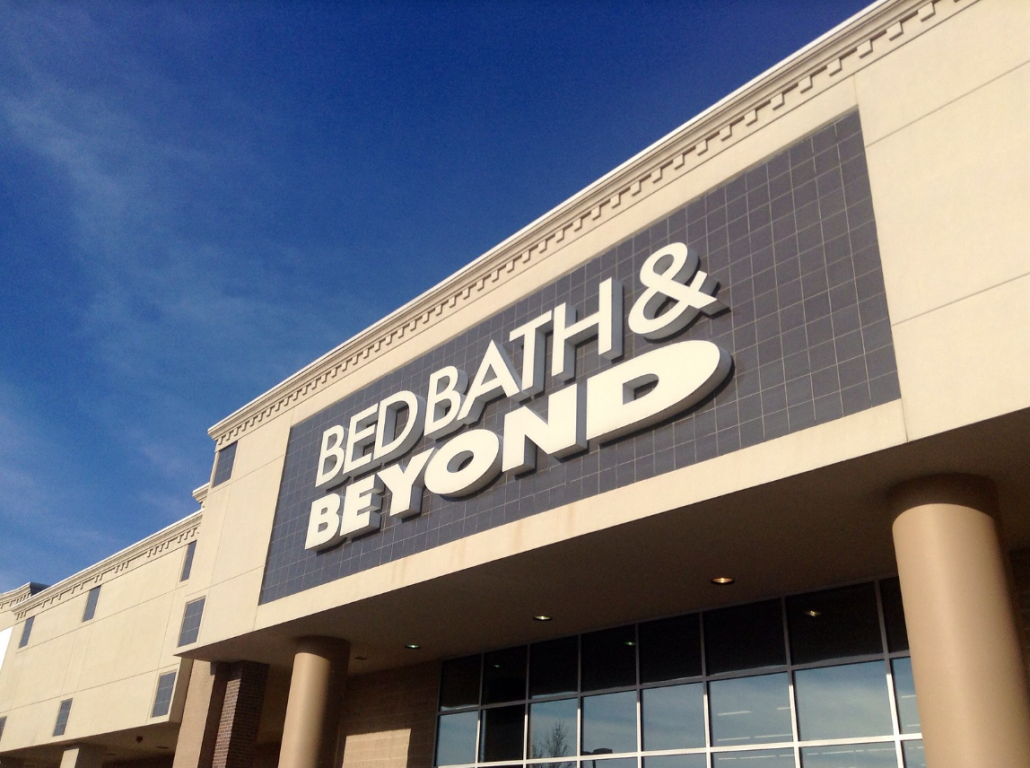

Jake Freeman, a senior majoring in economics and mathematics, bought 4.96 million shares of BBBY — Bed Bath & Beyond stock — at $5.50 each in mid-July. On Aug. 16, the day when Freeman sold his total 6.2% stake, the share reached a new peak at $20.65 each, as more retail investors participated in the meme rally to buy BBBY stocks — yielding a whopping $110 million profit for the young investor.
Freeman raised $25 million in funds from family and friends as startup capital to invest in the company, according to ABC7. He is the manager of the Freeman Capital Management LLC, a special purpose company created for the Bed Bath & Beyond transaction.
The volume of trading in the BBBY stock increased and remained unusually high beginning in August to a peak at 395 million shares traded.
Freeman expressed his surprise as shares of the company roared and fell at a short period in an interview with the Daily Trojan.
“I definitely had no idea it was going to be such a visceral reaction, and the market certainly took me by surprise,” Freeman said. “I certainly was not aware of some of the potential for extreme tail risk to the upside.”
Meme stock — the shares of a company that gained extreme popularity as a result of heated discussions on social media platforms such as Reddit, Twitter and TikTok — continues to attract investors’ attention. Retail investors, especially those new to the venture, communicate with each other to trade stocks that are above their estimated value.
“Think of it as stocks that have gone viral with internet popularity,” Ratika Narag, a professor of economics, said. “There is a lot of demand for these stocks based on what’s posted on social media and there’s almost like a cult following.”
Meme stock frenzy first started in early 2021 when swarms of retail investors bought stocks of struggling companies, such as GameStop and AMC. The companies tend to be shorted on extreme scales, which means that the current investors are betting the shares will plummet. Investors borrow the stock, resell it immediately and wait for the price to drop. The transaction results in a profitable deal for investors to buy the stock later at a lower price compared to what they originally sold the stock for.
The origin of the meme stock frenzy interrupted the plan when the collective purchasing power of the online investors drove stock prices up drastically. As the number skyrocketed, the higher level investors who were in position shorting the stock were compelled to pay the high prices for what they borrowed, which in return drove the prices even higher.
“In recent years, we’ve really been starting to see an increase in the bargaining power of the lower level [investors] … If we bring the power back to the people and we can see that it’s highly lucrative for them,” Victor Falcon, a sophomore majoring in business administration, said.
Indeed, Freeman profited millions of dollars selling his stake at a perfect timing — two days before the shares fell 20% as a result of a popular investor Ryan Cohen withdrawing his entire 9.8% stake too.
Cohen is an active investor who led the way in the first meme stock mania: buying GameStop stocks. When he announced five months ago he owned stocks of BBBY, many investors followed his steps to buy the stock. His sale of BBBY stocks not only devastated the price, but it also upset many faithful followers.
The BBBY shares continue to crash after the company announced on Aug. 31 that it will cut 20% of its workforce and close up to 150 stores. Few days later on Sept. 2, CFO Gustavo Arnal’s death only worsened the investors’ distrust of the company’s financial state.
As the stock market fluctuates with unknown potential, USC students interested in stock exchange weighed in on the different opinions on what factors contribute to Freeman’s achievement. Ray Zhao, a junior majoring in economics and business administration, said the startup capital Freeman had played significantly into his success on the market.
“Firstly, [investors] need to have enough base money to start up their stock. Twenty million or so … I believe it’s really hard for most people to reach this level,” Zhao said.
Freeman said that though he was fortunate enough to raise his startup funds, his success is greater than pure luck or strong support from his family and friends.
“A lot of people don’t really look at the plan that I put forward,” Freeman said. “The effort and coordination of that plan and to set out to be on a way in which they did remove bankruptcy from their outcomes in cases.”
Nevertheless, Freeman cashed out with $110 million and made USC faculty proud of his achievements.
“The economics department and especially some of my colleagues who had him as a student there, they feel really happy and I’m very happy for his success,” Narag said.