Sexual assault awareness month underway
April’s events are to educate students on what to do in cases of gender- and power-based violence.
By QUINTEN SEGHERS
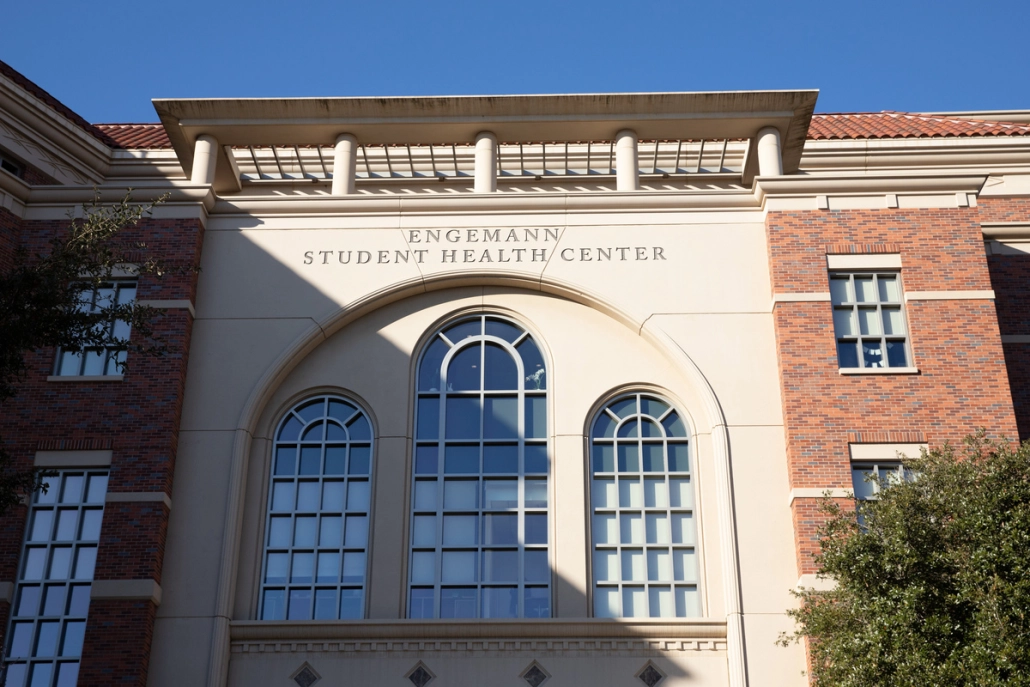

April’s events are to educate students on what to do in cases of gender- and power-based violence.
Content warning: This article contains references to sexual assault.
For students who are survivors and wish to report, here’s a guide for navigating the process at USC specifically.
–
For the past nine years, there have over 10,000 separate reported instances of sexual assault on college campuses each year, according to data from the United States Department of Education, but that number may be an undercount. Chief Campus Health Officer Dr. Sarah Van Orman said some end up never reporting their sexual assault.
That’s in part why Student Health is hosting events in April — which is Sexual Assault Awareness and Prevention Month; Van Orman said the goal is to create greater awareness about sexual assault and to educate students on how to support survivors and victims of gender-based harm.
For SAAPM, Residential Education and Relationship and Sexual Violence Prevention and Services will host a screening of “Barbie” (2023) Thursday night, followed by a discussion on gender and power.
There will be an outdoor screening of “Everything Everywhere All at Once” (2022) followed by a discussion about consent April 18, but Van Orman said the biggest event will be SAAMLAND — a festival featuring booths from RSVP — April 10 at Alumni Park from noon to 3 p.m. There, students can make bracelets, participate in giveaways and experience education activities to learn about consent, healthy relationships and community building.
“The goal of this month is to raise awareness,” Van Orman said. “[To] help people understand how much [gender-based violence] impacts our community. And then also really understanding what people can do if they themselves have experienced gender- and power-based harm or have a friend or someone that they care about who has.”
According to the the Rape, Abuse & Incest National Network, 13% of all students in the U.S. experience rape or sexual assault through “physical force, violence, or incapacitation”; one quarter of undergraduate students experiencing rape or sexual assault are women, and almost 7% are men. Van Orman said cases are sometimes reported months and years after the assault took place or are never reported at all.
“A lot of it is shame, is stigma. It’s maybe not feeling like what happened to them was serious enough,” Van Orman said. “It’s not wanting to go through the process of talking about it, of going through an investigation process … [sometimes] they’re struggling with understanding what even happened to them.”
Unlike California law, which allows survivors to file claims up to 10 years after an alleged assault, USC has no time limitations on when a survivor can report.
Students may receive anonymous, confidential counseling support through RSVP. The department also offers students plan B, HIV and Hepatitis B tests, forensic exams — also known as a “rape kits.”
“We’re always thinking about, ‘How do we prepare for people who’ve experienced those [health issues], but also prevent them?’” Van Orman said. “Prevention comes through education. It can come from educating bystanders, intervening [and] it comes from culture change.”
Van Orman said the last comprehensive public health data the University gathered on its student body is from 2019. The Student Well-being Index Survey, which is being administered by the Student Health Office for Health Promotion Strategy and closes April 12, will help the University know whether or not students are aware of the resources available to them.
“Reporting and going through an investigatory process is really important,” Van Orman said. “But we also know that for many people, they may not be ready at the moment. They may never be ready. No matter where they are on that journey, they can talk to an advocate. They can get support.”