‘COWBOY CARTER’ Grammys challenge country music norms
The wins open discussions about the music industry’s diversity and representation.
By NATALIE MCMULLIN
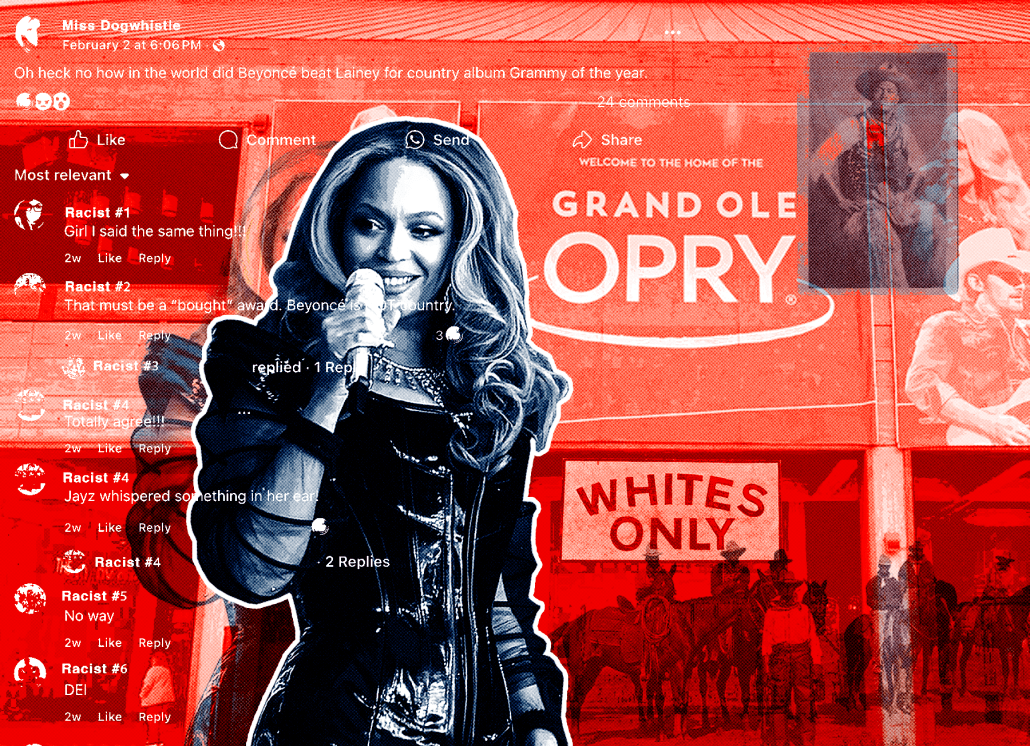

The wins open discussions about the music industry’s diversity and representation.
Beyoncé’s two Grammy wins for “COWBOY CARTER” — Best Country Album and Album of the Year — were undeniably historic. Her victory challenged traditional stereotypes of country music and was met with both celebration and controversy.
Country music has deep roots in the American South, where many of its most famous artists have lived and worked. The genre’s subject matter often romanticizes life in rural America in ways that primarily speak to white audiences.
However, despite the South’s significant Black presence in both cultural impact and population size, country music has long been a white-dominated space, rarely including Black artists in its mainstream narrative. Black country musicians have historically faced racism in the industry, from being excluded from radio plays and award shows to encountering resistance from audiences and record labels unwilling to embrace their presence in the genre.
Beyoncé’s country album faced backlash rooted in racism or seemingly even white nationalism. This reaction highlights a larger issue: Artists of color often face resistance when they step into traditionally white-dominated spaces like country music. While these barriers still exist, they are gradually being broken down by artists of color as the industry becomes more inclusive.
While country music has always had Black influences, like early banjo traditions and blues, this aspect of the genre is not at the forefront. The contributions of Black artists have often been erased or undermined by the country music industry and media in an attempt to maintain a narrow view of country music as white.
The backlash to Beyoncé’s win underscored this exclusion. After “COWBOY CARTER” won, the internet was flooded with people dismissing her as undeserving, not because of the album’s quality, but saying it “wasn’t even country” and that “the Grammys had to push their agenda instead of actually honoring real country artists.”
But what makes Beyoncé unqualified as a country music artist? She’s had success in pop, hip-hop and R&B, but artists aren’t forcibly bound to one category. When Post Malone started making the stark transition from rap to country, he did not face this level of backlash — but then of course, he is white. If country music is about having country roots, Beyoncé is more qualified by far — she is from Houston, while he was born in Syracuse!
Beyoncé’s supposed not belonging in country music reflects an aforementioned, broader issue: Country music has long been tied to a cultural identity that aligns with white nationalism, reinforcing the idea that the genre — and, by extension, the values it represents — should remain white-dominated. Beyoncé’s win disrupted that narrative, forcing a national conversation about the barriers Black artists face.
Artists of color often face challenges when they venture into music genres where they’re not typically seen. Lil Nas X released “Old Town Road” in 2019, a song that mixed country and rap styles. Even though it was wildly popular and reached No. 19 on the country charts, Billboard removed it from their country music chart, saying it didn’t have enough country elements. Was it not country enough, or did he not fit the image of country music?
Similarly, Bad Bunny, a Puerto Rican artist, has gained huge popularity in Latin music without turning to English, breaking the assumption that artists must sing in English to succeed globally. In addition, Tyler, The Creator has condemned the Grammys for labeling Black artists’ music as “urban,” suggesting it’s a way of stereotyping their work based on race.
Beyoncé’s Grammys for “COWBOY CARTER” are signs of success, but it also shows that artists of color still face challenges in the music world. When such artists are given the recognition they deserve, it shouldn’t be an exception; the whole industry should keep working towards real inclusivity.
This win is part of a bigger trend of recognizing artists of color. Kendrick Lamar won five Grammys in 2025 and demonstrated significant, sweeping recognition at major award shows. Doechii also made history by becoming only the third woman to win Best Rap Album, a positive step for women in rap.
These wins are a sign that the music industry is gradually stepping forward in acknowledging all talent beyond racial and genre confines. Real inclusivity, however, is more than just awards — it requires a shift in how audiences receive and embrace artists of color from all genres. Listeners are critical to this by challenging old stereotypes, advocating for artists of color and recognizing the rich heritage and contributions of Black country music artists and artists of all genres.