I’m tired of pretending career fairs are useful
The University should get rid of its tired attempt at “providing opportunities.”
By AANI NAGAIAH

The University should get rid of its tired attempt at “providing opportunities.”
I’m just going to say it: Career fairs are an antiquated relic from a bygone era of professional networking, and I’m tired of pretending they’re still useful, especially for pre-med students like myself.
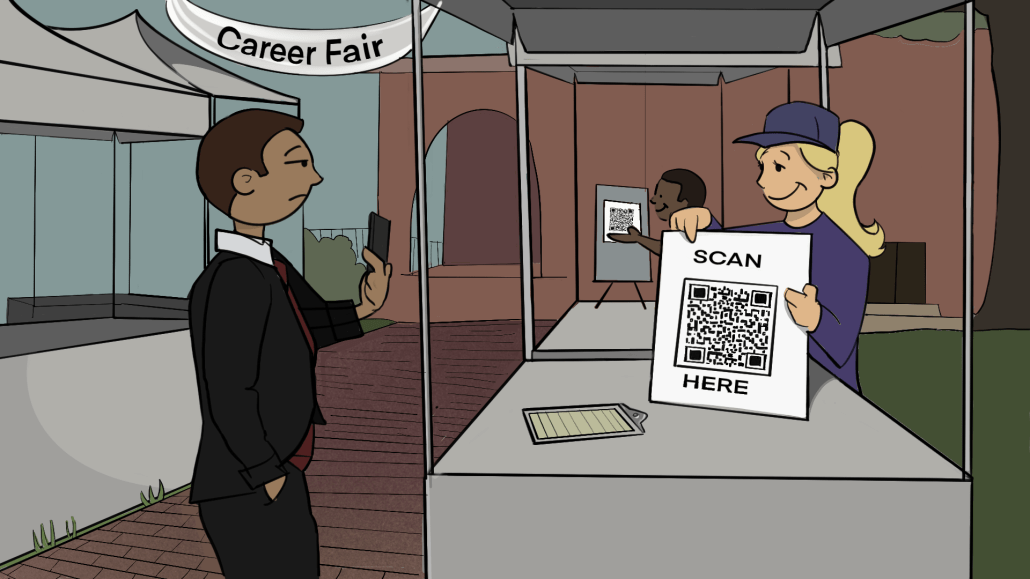
I spent three hours at the Spring Career Fair wearing uncomfortable business attire and reciting my elevator pitch until it lost all meaning. By day’s end, all I had was a folder of company flyers, several LinkedIn connections and the same advice repeated by every recruiter: “Apply through our website.”
These events are elaborate performances that rarely deliver on their promises. The career fair model belongs to a pre-digital age when face-to-face interactions were the primary gateway to employment opportunities. But in 2025, the traditional career fair is fundamentally misaligned with how modern hiring actually works.
Companies now use sophisticated applicant tracking systems, artificial -intelligence resume screening and digital portfolio assessments. The idea that a brief handshake and resume exchange at a booth would somehow circumvent these processes feels increasingly absurd.
As a pre-med student, these networking events are particularly frustrating. Medical schools don’t recruit at career fairs, and neither do research labs or hospitals. Yet we’re still encouraged to attend because “networking is important,” as if those two minutes with a pharmaceutical company recruiter might somehow influence our medical school applications.
Career fairs primarily serve institutional metrics rather than student needs. They allow universities to claim they provide career development opportunities without addressing how obsolete these events have become.
In my experience, successful job and internship placements almost always come through digital channels. A student in my chemistry lab landed her dream research position through a professor’s direct recommendation via email. Another student I know secured a clinical volunteering position by applying through an online portal. A friend built an impressive digital portfolio that got him hired without ever submitting a traditional resume.
I personally think virtual, industry-specific events with meaningful interaction time might work better. For pre-med students specifically, I’d find value in dedicated healthcare networking events with medical school admissions officers, physicians and research faculty, preferably in formats that reflect contemporary professional engagement rather than outdated networking rituals.
The most troubling aspect is the opportunity cost. The hours spent preparing for and attending these antiquated fairs could be directed toward more productive activities that align with modern professional development: building a digital presence, engaging with professional communities online or developing the technical skills employers actually value.
I was particularly struck by something a guest speaker said in my “The Power and Responsibility of the Press” lecture last month. This accomplished journalist candidly admitted that the career pathway he followed “simply wouldn’t be possible in today’s market.” If that’s true, why are we still using networking methods from an era when newspaper job listings were cutting-edge?
It’s time we stop pretending these events are more useful than they actually are. When a recruiter tells you to “apply online,” they’re inadvertently acknowledging the obsolescence of their own physical presence. The real hiring process happens in digital spaces, not exhibition halls.
I’m not suggesting career development isn’t important, because it absolutely is. But I firmly believe universities need to acknowledge that the traditional career fair model is as outdated as floppy disks and phone books. These events represent institutional inertia rather than effective professional development.
After all, in the competitive world of medical school admissions, every hour counts. So the next time I’m invited to a career fair, I’ll be spending those hours engaging with modern professional development tools: updating my LinkedIn profile, participating in virtual networking events or simply studying for my chemistry exam — activities that actually reflect how opportunities are accessed in 2025.