Keck study finds drawbacks to calorie-free sweeteners
Researchers found sucralose can “trick” the brain to induce hunger.
By FRANCO GUTIERREZ
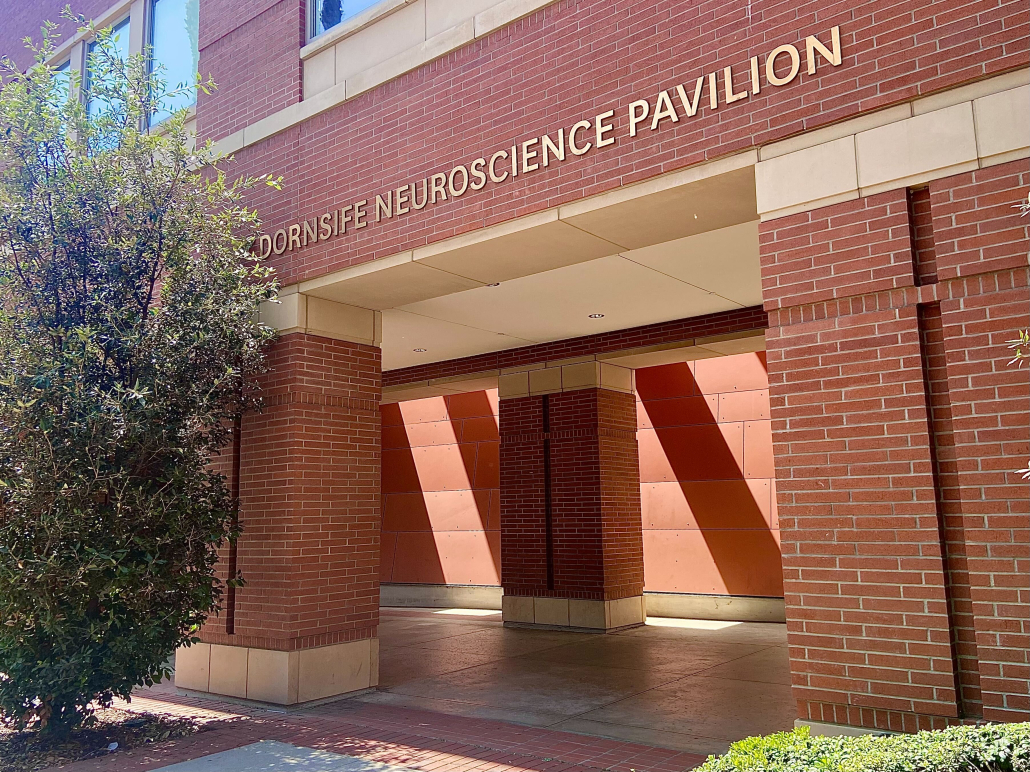

Researchers found sucralose can “trick” the brain to induce hunger.
In a study published through the Keck School of Medicine last month, researchers found that sucralose — a common zero-calorie sweetener — can promote the feeling of hunger in the brain and potentially affect cravings or eating patterns.
While natural sugar contains calories, an artificial sweetener like sucralose could “trick” the brain into believing calories are being ingested, leading to stronger cravings to replace the now missing anticipated calories, the study read. Brendan Angelo, a data scientist working on the study and specialized laboratory technician at Keck, said the sweetener could affect eating habits.
“We have found that the non-caloric sweetener does seem to impact the way we perceive palatable foods,” Angelo said. “Because it doesn’t have that caloric impact, it’s actually changing what we would desire food for, and how we view it.”
As the study focused only on sucralose, the research team was unable to confirm whether these results could be extrapolated to other artificial sweeteners. However, given the results, the tentative hypothesis is that any non-caloric sweetener would trigger this neural response.
Dr. Kathleen Page, director of the USC Diabetes and Obesity Research Institute and co-chief of the Division of Endocrinology and Diabetes, acted as the principal investigator and corresponding author of the study. Page said the study was a response to interest in whether non-caloric sweeteners were healthy or harmful for weight regulation.
“Many people have hypothesized, and it’s been shown — mostly in rodent models — that this mismatch between these signals of sweetness without calories cause increased cravings and food intake,” Page said. “This was sort of the first study in humans that’s ever really looked at that.”
Page said the research team hopes to expand upon their work by conducting both a study mapping the long-term effects of zero-calorie sweeteners on the brain as well as a study on how sweeteners affect the developing brains of children.
According to the study, enrollment began back in 2016, meaning it took the better part of a decade to reach publication. Angelo said the collection of data could sometimes prove precarious. He ran the Functional Magnetic Resonance Imaging machine for the study and said that some participants had difficulty staying still with sugary beverages in their systems.
“Let’s say you go in for an X-ray,” Angelo said. “It’s fast, but you have to be very still when that X-ray comes out, right? Otherwise, the image that comes out is garbled and unintelligible … fMRI has that issue exacerbated because … they need to be as still as they possibly can be, otherwise, there’s artifacting that gets introduced to the brain imaging.”
Angelo also mentioned recruitment as a hurdle because participants had to undergo blood draws four times per visit for the duration of the study. Sandhya Chakravartti, a researcher and co-author of the study, said her biggest challenge was ensuring they used the most rigorous data -collection methods.
Even with these challenges, Chakravartti had fond memories of the process. She said when the team first received concrete results, they were all excited, knowing that their work was heading in “the right direction.”
“We’ve all been working so hard on this for so many years, and I think when you finally see it on CNN or see the public talking about it and getting involved in the debate, and when you have the data that you created and presented for everyone to make those decisions, I think that’s really exciting,” Chakravartti said.