THE QUIET PART
Showing up looks different for every student
Rigid attendance policies punish the very students universities claim to support.

By LILLY GROSSMAN
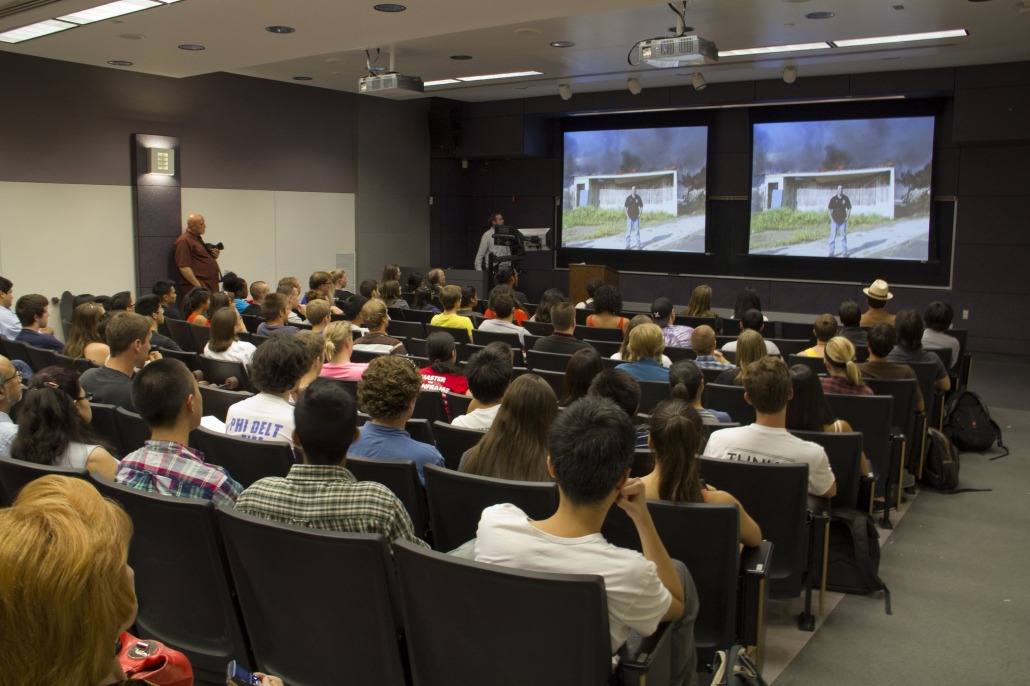

Rigid attendance policies punish the very students universities claim to support.
The first week of classes at USC always feels the same. Professors hand out syllabuses and students flip through them, scanning for exam dates, assigned readings and grading breakdowns.
Then comes the dreaded part: the attendance policy. Some courses state it bluntly with a clear “no absences.” Others soften it with a “two-absence limit.” Either way, the message is essentially “show up or fall behind.”
On paper, it seems logical. Consistent attendance builds community, keeps discussions lively and encourages accountability. For students juggling chronic illness, mental health needs or caregiving responsibilities, these rules land differently. They don’t feel like gentle nudges toward success and instead feel like roadblocks.
Strict policies assume students have steady lives. They assume bodies cooperate, minds stay calm and families function without crisis. That’s not reality — it’s fantasy.
A student with lupus doesn’t get to decide when a flare will strike. Someone living with migraines can’t schedule around them. A caregiver’s phone can buzz at any moment with news that a parent or sibling needs immediate help. For these students, the question isn’t whether they value education but whether their education values them back.
Chronic illness already demands constant management. Doctor visits, medication schedules and unpredictable symptoms eat away at time and energy. Add in the pressure of inflexible attendance, and suddenly illness becomes an academic liability.
Students end up dragging themselves to class, sometimes feverish or in pain, fearing that one day missed means a mark against their record. Others stay quiet about their condition out of fear of pity or skepticism. These attendance policies push students into two impossible choices of protecting their health or protecting their grade. Either way, they lose.
Universities consistently claim mental health support, wellness days and campus counseling. All the pep talks in the world can’t compete with a syllabus that punishes a student for missing class during a depressive episode.
For a student with anxiety, the panic doesn’t care that class participation is 15% of the grade. For someone with post-traumatic stress disorder, a sleepless night can make an early morning lecture feel impossible. Policies that treat absences as laziness only worsen the shame that mental health challenges already bring. They send a cruel message of “we’ll support you until it’s inconvenient.”
Not every absence is about the student’s body or mind. Sometimes it stems from the lives they help hold together by managing younger siblings, aging parents or partners with disabilities.
These responsibilities don’t pause for finals week. When a sibling spikes a fever or a parent falls, that student must choose between family or class. Strict rules mean whichever choice they make, guilt follows. They are painted as either the “unreliable” student or the “absent” caregiver. Neither role honors the reality that they’re managing both roles with all the strength they can.
Equality and equity are not the same. Equality insists everyone follows the same rule, whereas equity asks whether the rule actually works for everyone.
True equity would mean building flexibility into syllabuses from day one. It means offering hybrid participation options. It could mean trusting students to self-report crises without demanding proof for every instance. It also means rethinking what “participation” really is and recognizing that contributing to learning doesn’t always require being physically in the room.
At USC, those first-day syllabus speeches set the tone. Students often hesitate to voice concerns, even if they’re worried, because no one wants to be labeled difficult. If the true goal is learning, attendance should be one piece of the puzzle, not the whole picture.
The coronavirus pandemic proved that flexibility is possible with recorded lectures, online discussion boards and other hybrid formats. The only lingering question is whether universities will continue to embrace these tools.
Students deserve policies that acknowledge the real lives they live. Chronic illness, mental health needs and caregiving responsibilities are everyday realities.
Faculty and administrators have a choice. They can hold onto rigid rules that exclude or embrace flexible structures that still uphold academic rigor and respect humanity. Accountability matters, but so does compassion.
At the end of the day, a student’s worth should be measured by the persistence of attendance. Persistence shouldn’t be measured as perfect presence but being able to show up in whatever way possible for students. This can manifest in-person, online or even through the quiet grit of turning in work while managing life that feels unmanageable.
The knowledge that students carry forward, the growth they’ve fought for and the resilience they’ve built in the process is what higher education should actually honor.
Lilly Grossman is a social work graduate student writing about accessibility and campus culture in her column “The Quiet Part,” which runs every other Thursday. She is also the diversity, equity, inclusion and accessibility director at the Daily Trojan.