We’re doing Byron wrong
Romantasy has turned Byron’s “bad boy” into a marketable trope, but it fails to grapple with the cultural cost of idolizing toxicity.
By NATASHA ANNE

Romantasy has turned Byron’s “bad boy” into a marketable trope, but it fails to grapple with the cultural cost of idolizing toxicity.
Content warning: this article contains references to domestic violence, sexual assault and stalking.
Lord Byron walked so your favorite, brooding fae prince could smolder. But somewhere along the way, we forgot that the original “bad boy” wasn’t just dangerous — he was complicated.
The 19th-century Romantic poet built his reputation on moody, wandering antiheroes, but he also layered them with self-awareness, guilt and contradiction. This nuance, once essential to the Byronic hero, is exactly what’s gone missing in today’s revival of “romantasy” — the convergence of the romance and fantasy genres.
Thanks to the post-pandemic boom of romantasy books, the Byronic hero has been resurrected as the new “it boy.” Dark, brooding antiheroes full of wit and questionable morals dominate BookTok, bestseller lists and readers’ imaginations.
The most popular examples by far — “A Court of Thorns and Roses” by Sarah J. Maas and “Fourth Wing” by Rebecca Yarros — have ranked on The New York Times Best Seller list for 16 and 94 weeks, respectively. Their cultural footprint is hard to ignore.
And honestly? It tracks. These characters embody rebellion, autonomy and resistance — qualities especially magnetic in a moment when America is undergoing “democratic backsliding,” according to the Yale Institution for Social and Policy Studies.
Against the backdrop of political upheaval — from the overturning of Roe v. Wade in 2022 to the recently intensifying crackdowns on immigration in Los Angeles — stories of men who defy authority offer readers a thrilling sense of power and escape.
Many women and LGBTQIA+ writers and readers have described interacting with these novels as “empowering,” according to journalist Tracey O’Shaughnessy, providing a chance to be on the other side of power when they so often find it stripped from them on a daily basis. These novels promise that control, danger and adrenaline, if only for a few hours.
But here’s the catch: Byronic tropes can easily slide into toxic territory. Under the guise of devotion, these “bad boy” love interests often showcase signs of emotional manipulation, obsession and controlling behavior. What’s marketed as passion can end up normalizing and even romanticizing abuse.
These morally questionable love interests are continuously celebrated as “book boyfriends,” even though they are guilty of a slew of violent offenses. In H.D. Carlton’s “Haunting Adeline,” self-described “shadow” — read: stalker — Zade follows the heroine, breaks into her home and repeatedly blurs the line of consensual intimacy. Devout fans gloss over the abuse, treating it as a dark romance instead of acknowledging the trauma.
Except the trauma is real. More than half of stalking victims in the United States were under the age of 25, with 46% fearing the behavior could escalate into violence. Glamorizing Zade’s behavior and characters like him is undeniably dangerous.
Another perpetrator: Colleen Hoover. Her novels have sparked waves of discourse on social media about how harmful relationships should be framed in fiction. Actions like creating a coloring book for her novel “It Ends with Us” — a story centered around the female lead’s abusive relationship — are dismissive and tone-deaf toward domestic violence survivors.
Meanwhile in “November 9,” Hoover excuses the male lead’s brutal act of arson towards the female lead, concluding their tale with a happily ever after, despite the fire leaving the woman permanently scarred.
In either case, Hoover risks creating tangible harm for her impressionable audience of “new adults,” readers aged 18 to 25.
According to research by the Office of Juvenile Justice and Delinquency Prevention published in 2022, up to a fifth of United States teens experience sexual or physical dating violence, and up to 65% have reported being psychologically abused.
When works like “Haunting Adeline” or “November 9” push toxic narratives without acknowledging them, they don’t just warp fiction. They can shape how real relationships are perceived, making it harder for survivors to name abuse when they see it.
The problem isn’t that dark or difficult stories exist. Literature is, almost by definition, designed to explore themes and topics that are dangerous, taboo or impossible. Some of our most revered works, like George Orwell’s “1984,” Toni Morrison’s “Beloved” and even William Shakespeare’s “Hamlet,” center on difficult and disturbing themes.
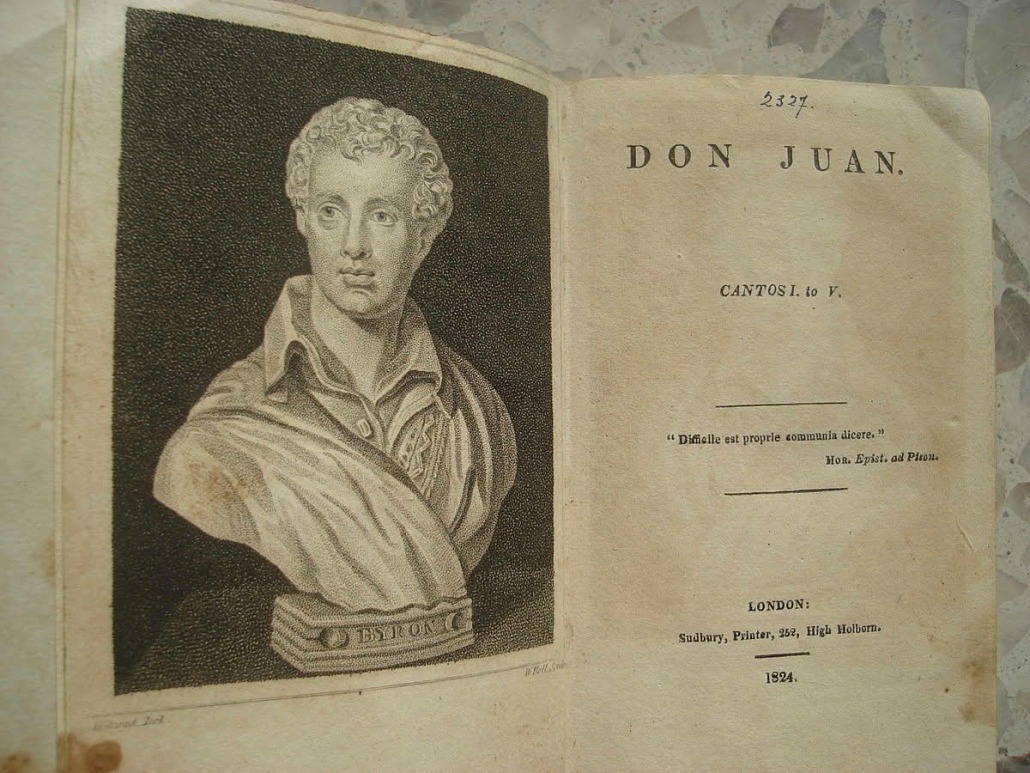
The problem is that, too often, these stories aren’t treated with the nuance they demand. That’s what makes Byron’s original works, like the ironic and satirical “Don Juan,” such a fascinating counterpoint.
Byron himself never let his heroes off the hook. The poet was deeply self-aware, and the contradictions between his reputation and the rigidity of English society informed his writing. His scandalous public persona clashed constantly with his Calvinist upbringing, steeping his work in nuance. His characters reflected not just rebellion but also guilt, conflict and a restless desire to escape themselves.
In sanding off that nuance, modern romance isn’t honoring its predecessor — it’s flattening it. The problem isn’t liking dark stories at all: It’s abandoning the principles that created them.
Engaging with a wide array of content is good — healthy, even. The key is to understand and critically assess the boundary where pure fantasy ends and toxic behaviors begin and to foster ongoing discussions on how to help real victims of violence.
The Byronic hero doesn’t need to be canceled, but he does need to be read critically with all his darkness and contradictions intact. Doing Byron wrong isn’t just bad scholarship: It’s bad romance.
If you are in need of support, contact:
L.A. County Domestic Violence Hotline (24/7 Confidential): 800-978-3600
National Domestic Violence Hotline (24/7 Confidential): 800-799-7233
Los Angeles LGBT Center: 323-993-7649
Peace Over Violence Emergency Shelter & 24/7 Hotline: 213-626-3393