FAIREST OF THEM ALL
Never take anyone at face value
Plastic surgery culture in LA has perverted the meaning of beauty — it’s time to bring the stigma back.

By SOPHIA AINSWORTH
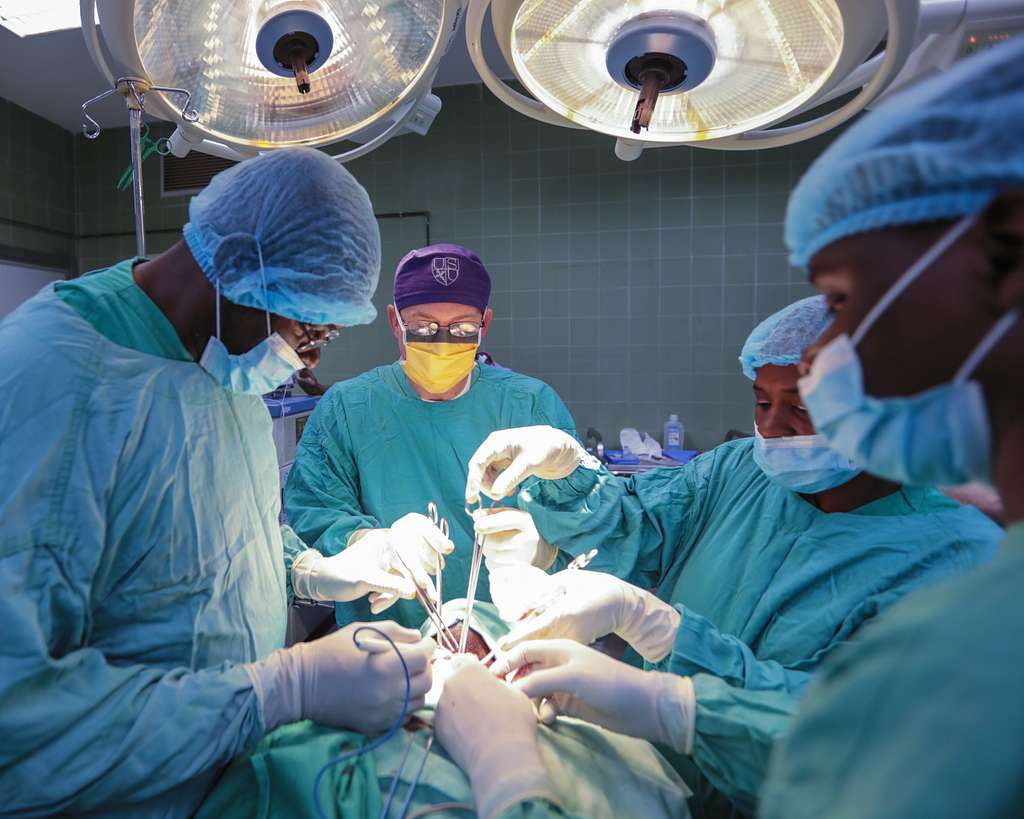

Plastic surgery culture in LA has perverted the meaning of beauty — it’s time to bring the stigma back.
Have you ever noticed how every few months or so, there is some self-proclaimed, very angry “beauty guru” telling you that your eyebrows look terrible and you have either eyebrow or blush blindness?
Beauty trends are fleeting, but standards last.
Today’s impossible standard demands women be both thin and curvy, well-endowed but still lean: an expectation that drives many women, especially adolescents, into an addictive spiral of plastic surgery.
The restrictive and hyperspecific nature of what is considered the “perfect body” further extends beyond stature. Facial features are among the most obsessively altered. Rhinoplasties, dermal fillers, Botox injections, liposuction and chin filler make it exceedingly impossible to take anyone at face value. Compared to the rest of the United States, California holds the title of the highest number of Google searches for plastic surgeons per capita.
This is especially true in Los Angeles and the USC community. Photographs of Hollywood celebrity friendships blur into an amalgamation of copy-and-paste features, every face sculpted into a uniform mold — and it’s infecting the USC student body.
Jokes about sorority hazing consisting of Botox appointments and lip filler injections are all too believable, especially after incidents of emails enforcing harsh aesthetic standards surfaced in 2015, such as forcing members to wear shapewear as well as maintaining a made-up look.
There is something sinister about the fact that the “influencers” who have been idolized as role models are admired for features they bought. The only influence they convey is that beauty isn’t in the eye of the beholder: It’s in the scalpel shaving down one’s nose and sculpting it to be perfectly upturned and buttonized.
Yes, many of these public figures have candid backstories that rationalize turning to cosmetic surgery. “Love Island USA” Season 6 contestant and social media influencer, Leah Kateb, opened up about her rhinoplasty, jokingly calling it “law” as a Persian woman because of insecurities about her ethnic nose. She added the caveat of not wanting to “set a bad example” by concealing the reality of her procedure.
However, transparency doesn’t negate, unintentional or not, influencers impart their unhealthy insecurity resolutions onto young, impressionable audiences. When influencers proclaim they “love their nose” only after conforming to Eurocentric ideals, they are reinforcing their bullies’ logic: that non-white features are flaws to be corrected.
My true qualm rests with the ideology espoused by the plastic surgery industry itself — an ideology that encourages conformity to beauty trends rooted in racist history.
This is not a critique of all forms of plastic surgery. I sympathize with those who seek plastic surgery as a form of reclaiming their identities — for example, women who have undergone mastectomies account for around 20% of all breast augmentations. My objection is largely with the normalization, by guardians and mentors alike, of altering appearances for the sake of validation, self-worth and praise.
California law requires parental consent for those under 18 to undergo cosmetic surgery, yet according to the American Society of Plastic Surgeons, in 2024, more than 260,000 individuals 19 and under endured cosmetic procedures nationwide. For people aged 20 to 29, over 1 million people did the same. Clearly, legal regulations for parental permission are no deterrent, and too often, parents model self-hatred instead of self-acceptance.
While some argue that plastic surgery is a way to find pride in one’s appearance, I find that the uniqueness of diverse human features is more enthralling. Purely aesthetic adjustments to “help you look in the mirror and not hate yourself” treat the symptom, not the disease: unrealistic beauty standards and internalized self-hate.
The addictive nature of cosmetic procedures is too commonly glossed over. What, for some, may have begun as a quest to avoid the harmful rhetoric of bullies can too easily spiral into an inescapable and equally hurtful label: botched. Spending thousands of dollars on procedures can leave patients worse off, physically, mentally and financially. The risks aren’t abstract — the number of deaths associated with botched surgeries continues to climb.
This issue is not unique to women. Men such as pop and R&B artist Michael Jackson have fallen victim to the pressure of fitting into Hollywood’s standards — Jackson underwent multiple rhinoplasties, as well as a procedure to create a dimpled chin. While plastic surgery seems to have an especially strong hold over younger women, body dysmorphia isn’t a gendered issue.
Beauty being given monetary value through plastic surgery transacts natural, human features. It is archaic to place a bounty on someone’s worth depending on their proximity to a given transient beauty trend.
The normalization of viewing diversity as imperfection is malignant to body positivity. As my sister once told me, “Your body is the least interesting thing about you.” Perhaps idealistic, but why not stop putting so much emphasis on building the perfect body when there are so many harms? It’s a scary thought that you may never know the true smile of someone you love because it’s been replaced with hyaluronic acid or injectable collagen stimulators.
Before you go under the knife, be sure to fully consider the potential consequences and societal implications of doing so.
Sophia Ainsworth is a sophomore writing about the underbelly and evolution of the beauty industry in her column “Fairest of Them All,” which runs every other Wednesday.