The ‘Wuthering Heights’ trailer sucks; it’s our fault
New Hollywood adaptations reflect the uneasy trend of rising conservative values.
By NATASHA ANNE
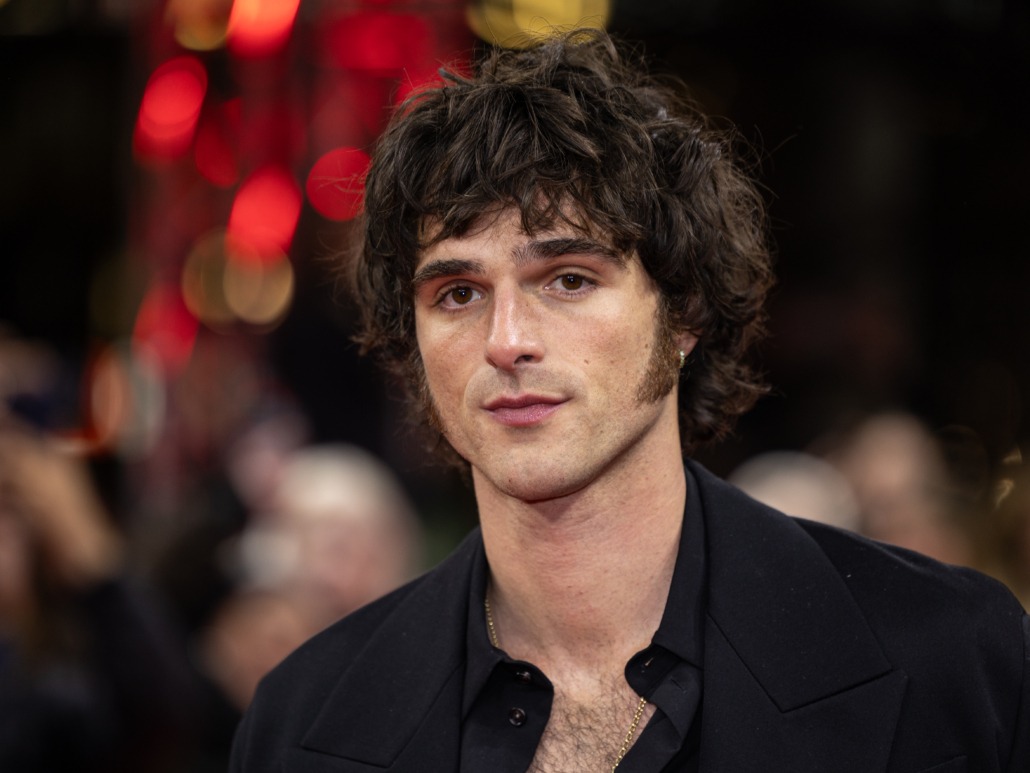

New Hollywood adaptations reflect the uneasy trend of rising conservative values.
The “Wuthering Heights” (2026) trailer is sexy, glossy — and wildly historically inaccurate; it completely misses the point of Emily Brontë’s 1847 novel. By erasing Heathcliff’s racial identity and reframing abuse as romance, the adaptation reflects a media climate sliding further toward conservative values.
Two choices in the trailer stand out.
First: casting. In the novel, Heathcliff is described as “dark-skinned,” likely of Romani or South Asian descent. His outsider status is central to Brontë’s critique of class and race in 19th-century England. Jacob Elordi is, if you haven’t noticed, a white man.
Second: tone. The novel is an unflinching look at obsession and abuse. The trailer sells sweaty backs, finger-sucking, people getting handsy with some bread dough — yes, really — and a Charli XCX soundtrack. Brontë’s warning against mistaking cruelty for love has been flattened into synthetic romance. In other words, Brontë’s fangs have been pulled.
But should we really be so surprised?
In an era where diversity, equity and inclusion initiatives are gutted by the Trump administration, studios default to “safe” casting choices. A white Heathcliff is easier to sell to audiences primed to roll their eyes at diversity.
In online spaces where self-proclaimed misogynists like Andrew Tate thrive, it’s hardly shocking to see studios repackage female suffering as desirable spectacle.
Among young men, one in three has a positive opinion of Tate, according to a June 2023 Savanta survey. He touts 10.8 million followers on X as of publication. With numbers like that, it’s clear Tate isn’t just an outlier. He’s a symptom of a larger culture that studios want to cash in on.
And Hollywood has always chased profit, not integrity.
If that means canceling “The Late Show with Stephen Colbert” to avoid a Trump lawsuit, then so be it. If it means greenlighting a Sydney Sweeney American Eagle ad that sexualizes her “all-American” image with eugenic undertones, consider it done. Or if it means suspending “Jimmy Kimmel Live!” indefinitely after his remarks on Charlie Kirk, that’s fair game too.
Studios will serve whatever the climate tells them will sell. But here’s the uncomfortable part: That climate is on us.
When conservative audiences hype Sweeney’s Republican voting record, studios double down on blonde, blue-eyed casting. American Eagle’s stock even rose by 23% as a result of the campaign that Trump called “fantastic.”
When TikTok explodes with takes about corsets-on-bare-skin accuracy, the conversation shifts away from substantive issues like whitewashing. And every click, every stitch, every outrage post tells studios this strategy works.
This isn’t to say Brontë’s original novel is a paragon. Heathcliff has always been marked as an outsider, someone society refuses to accept. Uncritically translating on-screen without care reinforces the racial stereotype that “dark skin equals dangerous” — a notion that has historically been weaponized against communities of color by law enforcement, legislators and communities at large.
Take, for example, the recent Supreme Court ruling, Noem v. Vasquez Perdomo. This ruling allows Immigration and Customs Enforcement to use factors like language, accent or even skin color as reason for arrest. In other words, the U.S.’s highest court legitimized racial profiling.
Against that backdrop, it matters deeply when Hollywood strips Heathcliff of his identity or leans on stereotypes instead of interrogating them.
And yet, this is where adaptation could be beneficial — where these issues could have been addressed and fixed. A thoughtful writing team could have framed his anger in the context of abuse, trauma and systemic cruelty.
So, why didn’t that happen?
That takes time and money. Neither of which Warner Bros. is willing to shell out when the consumer culture won’t reward them for doing so. They’re not going to gamble on nuance if giving people shots of Margot Robbie in a historically inaccurate wedding dress can pull in 13.3k likes on TikTok as of publication.
But here’s the thing: You don’t have to play along.
If you want “Wuthering Heights,” pick up the book or stream the audiobook. If you want a sexed-up Gothic fantasy, there are already movies like the “Twilight” series — redeemed, at least, by Michael Sheen — or literally millions of fan works on Archive of Our Own. What you don’t need to do is funnel your time, money and outrage into a film that dilutes Brontë’s critique into Instagram aesthetics.
We can’t stop every bad adaptation. But we can stop rewarding them — by refusing to funnel our outrage into clicks and demanding media that respects both its sources and its audience.
Then, someday soon, maybe we won’t have to sit through another trailer of sweaty bread dough.