In a season of upheaval, our leaders are choosing denial
US youth face mental health struggles, yet politicians cling to outdated solutions.
By JULIA HO

US youth face mental health struggles, yet politicians cling to outdated solutions.
The seasons are changing, and the disasters keep coming faster than the solutions.
Climate disasters continue to mount, and political unrest shows no signs of easing. The tumultuousness of daily headlines is more than enough to prompt a variety of mental health struggles and anxieties. We need leaders who strengthen resources, not strip them away.
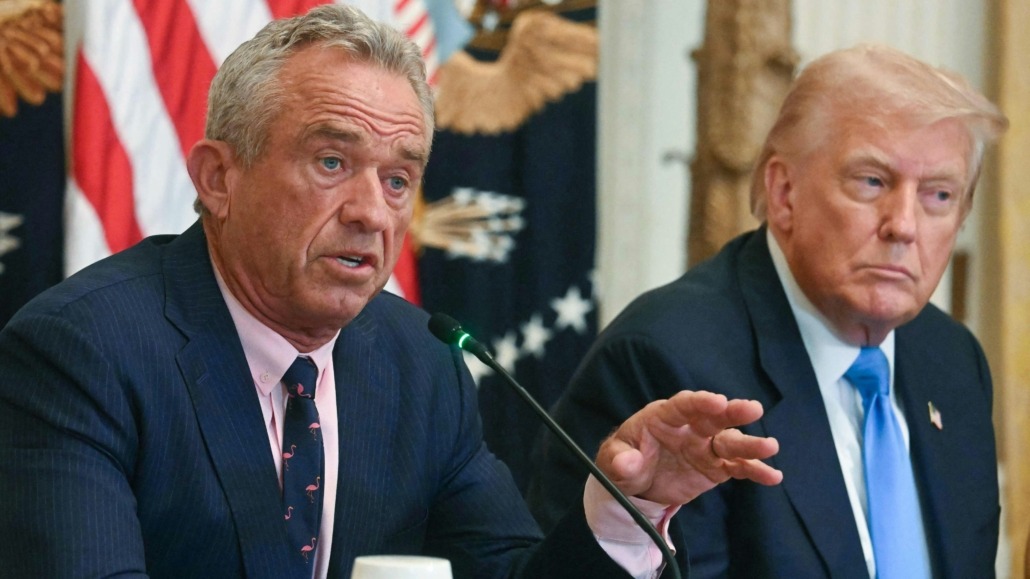
That’s why Linda McMahon and Robert F. Kennedy Jr.’s Sept. 10 essay in The Washington Post — which argues that children are being over-therapized and suggests schools should return to “natural sources of mental well-being” such as strong families, nutrition and fitness — is dangerously dissonant compared to reality.
McMahon, the U.S. secretary of education, and Kennedy, the secretary of health and human services, frame therapy as excess, something that processes “normal” children like patients in a sanatorium.
They echo Abigail Shrier’s 2024 book “Bad Therapy: Why the Kids Aren’t Growing Up,” which claims the culture of therapy causes more harm than healing. However, these arguments ignore the lived reality of students balancing academic pressures with untreated depression, panic attacks or trauma.
This framing isn’t just outdated and misguided: It risks dismantling essential support at a time when young people, especially students and people of color, are already facing crises.
Over the past decade, mental health concerns among young people have exploded. According to the National Education Association, in 2023, 44% of college students reported symptoms of depression; 37% experienced anxiety; and 15% said they were considering suicide — record-high numbers.
Among students of color, the disparities are worse: A 2022 Healthy Minds study found that while mental health problems rose across all ethnic groups, the sharpest increases were among students of color, with their “treatment gap” widening simultaneously.
For example, Arab American students saw a 22% increase in meeting criteria for one or more mental health problems, but an 18% drop in receiving treatment. As Healthy Minds researcher Jasmine Morigney noted, “Barriers to the use of mental health services can be quite daunting for students of color.”
Black students utilize services at less than half the rate of white peers, despite comparable rates of depression. These inequities are compounded by stigma and healthcare providers who often lack cultural understanding, leading to delayed or misdiagnosed conditions.
I know firsthand how vital these resources are — at USC, I used every free short-term therapy session I could, even exceeding the stated five no-cost sessions, because my providers wanted to ensure I reached long-term care. Those sessions weren’t indulgences; they kept me afloat in my classes, my work and my community during a rough freshman year.
McMahon and Kennedy point to their Make America Healthy Again Commission, touting plans to revive the Presidential Fitness Test, improve school lunches and curb pharmaceutical overprescription. On the surface, these are reasonable goals. No one disagrees that students need strong bodies; even so, diet and exercise will never be substitutes for care — they are complements.
The real “floodgates” crisis isn’t too many students in therapy; it’s too few. Nationally, more than half of youth with major depression receive no treatment at all, according to a 2024 report by Mental Health America. Declaring therapy as an overreach neglects the fact that access to this essential service itself is scarce and not even remotely in excess.
Yes, lifestyle matters — sleep, diet, exercise and an abundance of fresh air help most ailments, but they are not substitutes to treatment. When disasters raze homes or hurricanes flood towns, we don’t tell people to just eat better — we rebuild. The same logic applies to mental health: When crises overwhelm young people, platitudes aren’t enough.
McMahon and Kennedy invoke the Latin motto “mens sana in corpore sano” — a sound mind in a sound body — as if resilience can be restored through family dinners and calisthenics alone. But the inverse is equally true: Without tending to the mind, the body cannot thrive.
For young people of color, first-generation students, and queer and transgender students, therapy is not a luxury. It is one of the few spaces where their pain and experiences aren’t minimized and their futures aren’t written off. To cut those supports is to tell a generation that survival should be figured out alone.
If policy shifts toward limiting therapy, cutting screenings and stigmatizing medication, the cost will be measured in more students dropping out, more lives cut short and more families grieving what could have been. In 2023, the Centers for Disease Control and Prevention reported that suicide was the second-leading cause of death among people aged 10 to 34. Our crises demand care, not denial.
In a world destabilized by fires, floods and factional unrest, leaders clinging to outdated remedies are choosing the wrong kind of seasonal change. Society demands adaptation, and for today’s youth, it is clear we cannot afford to scorn mental health.