State attorneys general are our last line of defense against Trump
California’s attorney general is leading an effort to resist the Trump administration’s executive orders, and it seems to be working.
By LILY CITRON
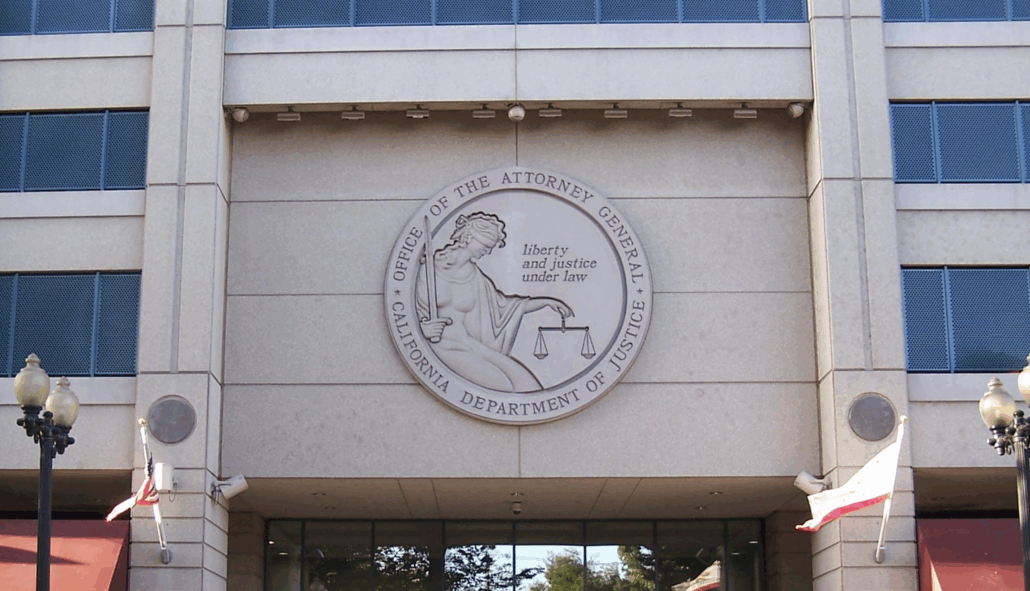

California’s attorney general is leading an effort to resist the Trump administration’s executive orders, and it seems to be working.
Amid headlines and constant changes to the federal government, it is easy to feel powerless in the face of President Donald Trump’s executive orders, which he utilizes to extend the power of the executive branch. This sense of hopelessness is understandable; however, it is essential that we pay attention to what is successful at slowing Trump’s actions.
While many of our governmental checks — like Congress — have not been effective amid dozens of illegal executive orders, state attorneys general have been one of the most effective factors restraining the Trump administration.
Trump’s sweeping use of executive orders bypasses Congress and centralizes power within the executive branch. While this may feel like a new and ruthless method of governance, it is not. Trump is far from the first president to have issued a large number of executive orders. In fact, he is not even the president to have issued the most executive orders, but unlike Franklin D. Roosevelt, Trump is not a wartime president, nor has he served four terms.
The speed and scope of the executive orders that Trump has been releasing set them apart. These executive orders have addressed topics ranging from culture war issues to closing federal agencies. Many of these orders have directly impacted USC and its students.
These include orders like “Improving Oversight of Federal Grantmaking,” which requires that research done at USC and other universities that receive federal funding must align with so-called “American Values,” as well as orders like “Ending Illegal Discrimination and Restoring Merit-Based Opportunity,” which limits how universities can utilize diversity, equity and inclusion programs.
However, Trump’s eagerness to use executive orders rather than working with the legislative process leaves these actions vulnerable to the judgment and jurisdiction of judges. This has resulted in states, particularly those with Democratic attorneys general, filing countless lawsuits.
Possibly no state has been more aggressive in submitting and filing lawsuits against the Trump administration than the state of California. The state’s attorney general, Rob Bonta, has been a leader in a trend of blue states filing lawsuits to challenge the Trump administration’s orders. By the end of August, Rob Bonta had sued the Trump administration 39 times. In many of these cases, he received favorable results.
These lawsuits helped restore over $168 billion in federal funding to California since January. Additionally, the attorney general’s office safeguarded $7 billion in grant funding for public transportation in June and protected $939 million for California schools in July.
These victories show tangible results for California citizens, who can continue to work for the state, go to school and ride public transportation as usual. The education funding, in particular, helps to maintain teacher preparation programs for K-12 schools and school mental health funding.
These lawsuits don’t only address budget restraints. In June, the state’s attorney general’s office sued the Trump administration over its deployment of the National Guard in Los Angeles.
A federal judge ruled on Sept. 2 that this was an overreach of presidential power, as this deployment broke a law that prohibits the military from acting as law enforcement. This victory was not only important to L.A. and to California but also to other states and cities that the National Guard has since been deployed to, like Washington, D.C., and Chicago.
While it may feel like the Trump administration is trying to strip away many core aspects of our federal government, there are roadblocks that have been effective in stopping these actions. However, this is not something we should take for granted.
Trump has already threatened another attorney general, Letitia James, the vocal and effective New York Attorney General; James had previously litigated against Trump a number of times, over both executive orders, and over real estate fraud. The president went as far as publicly suggesting that United States Attorney General Pam Bondi target his political opponents in a Truth Social post on Saturday, including James.
As USC students, it is important to follow federal happenings, but it is doubly important to follow local, California-based happenings, especially when these issues directly affect USC and its students.
And often, when so much seems to be happening all at once, it may be hard to keep track of what is working, but it is essential to stay aware of successes. When possible, we should assess the good and remain hopeful.
As long as these lawsuits continue to hold back Trump’s executive orders, state attorneys general will continue to be some of the most influential people in today’s politics and our last line of defense.