FAIREST OF THEM ALL
Hyperfixating on skin is concerning
Tanning is a pastime that is nobody’s business.

By SOPHIA AINSWORTH

Tanning is a pastime that is nobody’s business.
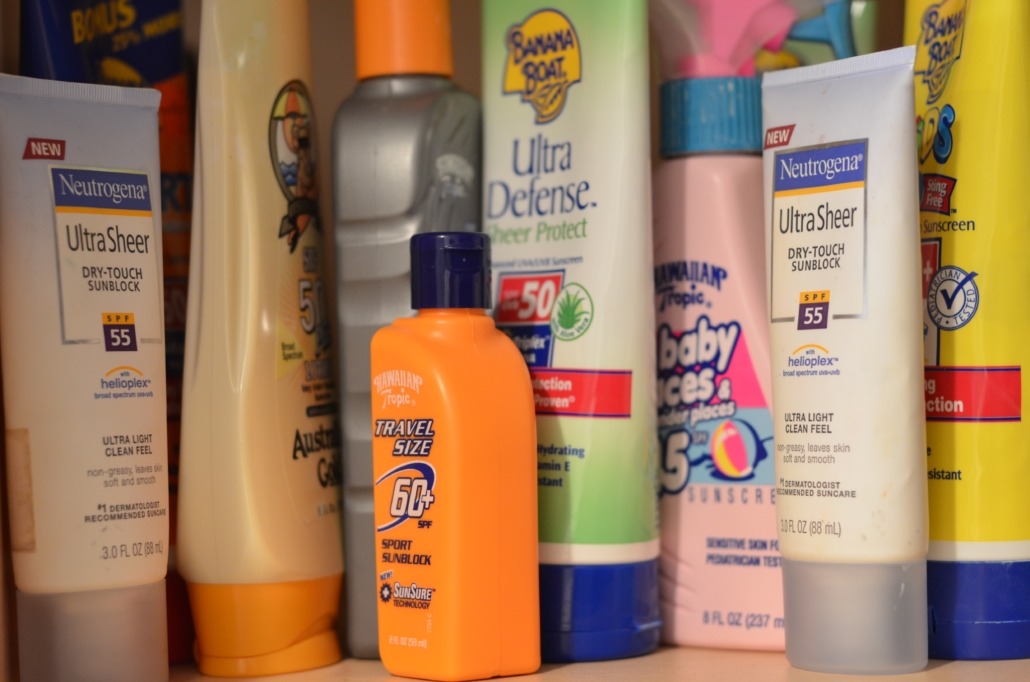
“Warning — This product does not contain a sunscreen and does not protect against sunburn. Repeated exposure of unprotected skin while tanning may increase the risk of skin aging, skin cancer, and other harmful effects to the skin even if you do not burn.”
This label is a required disclaimer on all tanning products not containing sunscreen. Their counterparts, sunscreens, have a caution against potential skin or eye irritation. Society affirms that caution against potential threats is a priority. Regulations that warn against nearly every component of the beauty industry — from makeup to curling irons — exist.
What there’s no warning against is colorism: discrimination based on skin tones among people of color, primarily against individuals with “darker” complexions.
While much of Western society now acknowledges that colorism is racist, many other cultures do not. Colorism often appears in the form of subtle, microaggressive rhetoric; it’s often written off as comedic or unintentional, but it stems from centuries of hierarchical racial complexes.
In South Asia, products that promote skin bleaching circulate abundantly. In East Asia, parasols and layers of clothing are often utilized to avoid tanning, a reflection of the enduring belief that lighter skin is more attractive than darker skin. While maybe not purposefully racist, the normalized infatuation with “bettering” one’s skin is still harmful.
The obsession with fairness of skin is rooted in two intertwined forces: colonization and capitalism. Colonization promoted eurocentric values and beauty ideals by debasing and replacing the existing standards of the countries imperialists conquered. Capitalism reinforced those ideals by equating paleness with status, because there was no need to be outside working blue-collar jobs in the sun.
Western society continues to be obsessed with skin tone, even if its expression has shifted. Paris Hilton, the self-proclaimed “queen of being bronze,” announced a partnership with Tan-Luxe, a popular self-tanning lotion company, to produce a signature formula in April. Since then, she has reappeared in the media for controversial comments she made about her infant daughter’s pale skin. “You’re so pale,” she said jokingly. “I can’t spray tan you, can [I]?”
The slogan of her product, “The future looks good on you,” may have been intended to be a cheeky marketing line. However, it simultaneously insinuates that the attainability of looking good depends on a certain complexion, reinforcing problematic inferiority complexes in the reverse. Skin tone should hold no stake in the beauty industry — it shouldn’t be considered a metric at all.
Currently, tanning culture faces frequent criticism for its health risks.
High-intensity ultraviolet rays in tanning beds stimulate melanocytes — the cells responsible for skin pigmentation — to darken one’s complexion. The Skin Cancer Foundation warns that the use of tanning beds before the age of 35 can increase the risk of life-threatening melanoma by 75%. Sunbeds emit concentrated, artificial UVA and UVB rays that permeate deeper than the sun’s natural beams, sometimes causing DNA mutations that lead to cancer.
Yet, in Los Angeles, tanning has become an unlikely subversion of colorism. In the spring, it’s rare to find a lawn without students oiled up and soaking in the rays. What used to be feared — getting darker — is now praised among peers.
Some people have grown insecure about their naturally paler complexions, but this is an insecurity born from fleeting beauty fads, not systemic oppression. Everyone deserves to feel comfortable in their own skin, but this frustration is not comparable to generations of systemic and historical prejudice against darker complexions.
There is another caveat in which some people take tanning too far; they treat their color as a customizable feature, which borders on racial cosplay.
For example, pop artist Ariana Grande has faced backlash for her excessive tanning phase and adoption of African American Vernacular English while making her R&B albums in the mid-2010s. Now that she has pivoted back toward dance-pop, Grande no longer tans to such an extent and employs less culturally Black vernacular.
Grande embodies the insensitive reality some frequent tanners enforce. They adopt personas of people of color while still navigating the world with their privilege. Consequently, the real-life experiences of people who naturally navigate the world as victims of colorist prejudice are belittled; their livelihoods and traumas are reduced by caricatures that relate having darker skin and personality.
Treating an entire culture as a costume that one can abandon whenever it no longer matches their aesthetic is negligent. The reality is, the struggles communities of color face are not as temporary as a tan and cannot be washed away when oppression is out of season — a human body should not be a brand.
The stigma surrounding shade and tone is sustained by the value we assign to it, not by the pigment itself. Rather than vilifying tanning altogether, we should decenter it.
Stop treating tanning as an aesthetic project altogether, and start treating skin as what it is: an organ, not an identity. Like the liver, which many college students neglect until it’s in distress, our skin deserves care, not correction.
Sophia Ainsworth is a sophomore writing about the underbelly and evolution of the beauty industry in her column “Fairest of Them All,” which runs every other Wednesday.