Student Health urges students to discuss healthy communication, consent
CARE-SC and student groups have hosted discussions, training and presentations on topics such as substance abuse disorder treatments and beverage spiking.
By QUINTEN SEGHERS
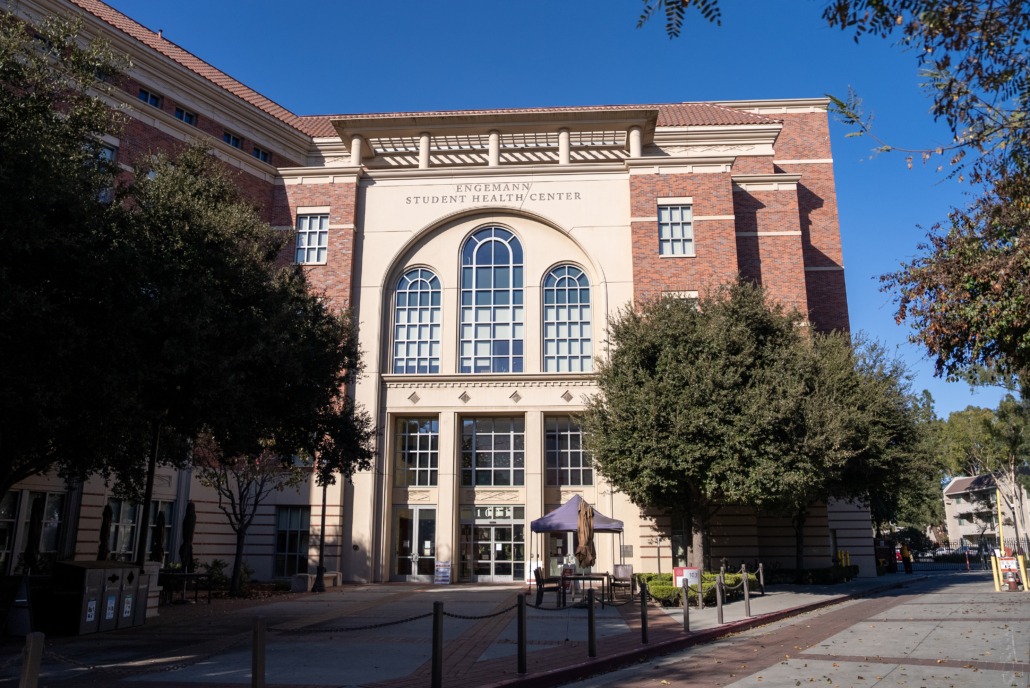

CARE-SC and student groups have hosted discussions, training and presentations on topics such as substance abuse disorder treatments and beverage spiking.
Content warning: This article contains references to sexual assault and rape.
Survivors of gender and power-based harm often feel isolated and alone, but it does not have to stay that way, said Deborah Schleicher, director of CARE-SC, in a briefing with campus media Tuesday. By hosting awareness events and training on campus, CARE-SC hopes students will become the “agents of change” needed to shift campus culture and prevent harm, Schleicher said.
Reported instances of gender- and power-based harm around University Park Campus fell by roughly a quarter from 2022 to 2024, according to the Department of Public Safety’s 2025 Annual Security and Fire Safety Report, which was published Sept. 25.
The number of reported statutory rape, domestic violence and stalking cases remained steady, while reports of dating violence, fondling and rape declined. The number of alleged rape incidents dropped from 35 in 2022 to 14 in 2024. Seven were reported in residence halls in 2024, while nine were on campus and five off campus.
The report is released annually in accordance with the Clery Act, a federal mandate that requires colleges and universities to release statistics of campus crime for the preceding three calendar years.
Student Health’s CARE-SC program offers confidential counseling for students affected by gender- and power-based harm. Schleicher said she hopes to involve bystanders more actively in discussions around sexual assault.
“We [want] to encourage students this year to reflect on what respect and healthy communication looks like in their daily interactions,” Schleicher said. “It’s unfortunately more common than not to experience something like this.”
Schleicher said there continues to be high levels of interest from student groups in hosting discussions, training and “intimate” presentations centering on topics such as substance abuse disorder treatments and beverage spiking. CARE-SC has recently collaborated with the Student Assembly for Gender Empowerment, Zeta Phi Beta and the Undergraduate Student Government.
“This generation of students are also more viscerally aware of these issues and having more dialogues in their social circles,” Schleicher said. “There is a sense of activism, while there’s also a desire to engage in culture change. Culture change is just something that takes time.”
CARE-SC recognizes three gender- and power-based harm awareness months, and acknowledges each with various programming and activities: Domestic Violence Awareness Month in October, Stalking Awareness Month in January and Sexual Assault Awareness Month in April.
“I’m always impressed with the student community,” Schleicher said. “USC students and young adults are very thirsty for conversations around these topics, because they are curious, and they do want to know ways in which they can engage in a community where these topics and these issues come up.”
Schleicher said USC students’ ability to engage openly and honestly with topics pertaining to sexual assault and substance abuse makes them “great agents” for making these conversations feel less daunting.
“It’s been a privilege and an honor, working alongside survivors, who are some of the most resilient individuals, and helping them through their healing process therapeutically,” Schleicher said. “Survivors are not alone.”
If you are in need of support, here are some resources you can contact:
USC Relationship and Sexual Violence Prevention and Services: located at Engemann Student Health Center Suite 356. Individuals can call (213)-740-9355 and request to speak with an advocate or counselor. Services are confidential.
Rape, Abuse & Incest National Network (RAINN): a free, confidential hotline that is active 24/7. Individuals can call (800)-656-4673.