Stop the censorship of my corridos
Corridos continue to be one of the most contentious pieces of art in our contemporary times.
By FRANCISCO ESPINOZA MIRANDA
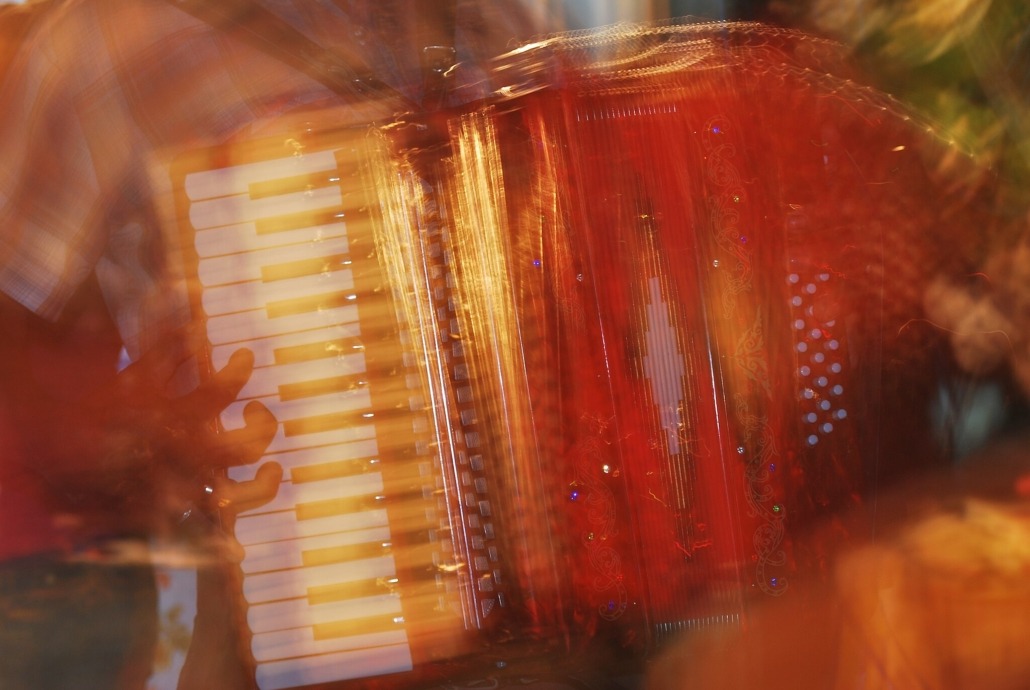

Corridos continue to be one of the most contentious pieces of art in our contemporary times.
As of April of this year, nearly a third of all Mexican states have banned the public performance of corridos — the genre that has shaped Mexican identity for generations. This continues a long history of censorship for the genre, which has been under scrutiny since its first spurt of popularity during the 1980s.
While authorities claim these measures target the glorification of organized crime in Mexico, in reality, they put up walls against upward mobility, diasporic connection and cultural capital.
Just south of the San Ysidro border line, young corridistas from Tijuana walk through rows of cars ready to sell their art. With only a 12-string guitar and an accordion, they can play almost any song from Mexican regional music’s extensive library — and for as low as 50 pesos, nearly $3. The last time I crossed, they played me the riff for free from one of my favorite corridos tumbados, “Cuerno Azulado” by Natanael Cano and Gabito Ballesteros.
These musicians are among the many dreamers in Mexico who wish to follow in the footsteps of trailblazers like Cano, whose contribution to the corrido tradition catapulted the genre to new, global heights this decade. His 2019 album, “Corridos Tumbados,” hit at No. 4 in the Billboard Top Latin Albums chart, and his 2023 album, “Nata Montana,” debuted at No. 5 on the list.
In 2023, corridos seemed unstoppable. The subgenre of corridos tumbados — a mix of traditional, regional sounds with trap — began entering global charts. Yet just two years after their peak, these sounds began fading from public consciousness. This loss of popularity is not due to changes in music taste but can be mainly attributed to the high levels of censorship the genre has been subjected to.
Corridos are the voice of Mexico’s working class and its diaspora. The genre was popularized as a form of telling news and stories during the Mexican Revolution, eventually evolving into telling tales of folk heroes and events.
As Mark C. Edberg wrote in “Narcocorridos: Narratives of a Cultural Persona and Power on the Border,” the tradition of the corrido chronicles the stories of ordinary people who gained heroic status by overcoming overwhelmingly unjust odds.
Today, the folk heroes talked about in these songs evolve as well, with artists choosing to elevate the stories of cartel members, sparking the rise of the narcocorrido subgenre.
All art is a reflection of the culture it is created in. As drug trafficking and organized crime have woven themselves into Mexican society, so too have they shaped contemporary art. Many of the highest-charting corridos of the past few years directly reference cartel members and their illicit activities.
This year, at a concert in Jalisco, Los Alegres del Barranco came under fire for projecting the image of the Jalisco New Generation Cartel leader, Nemesio Rubén “El Mencho” Oseguera. Afterward, the United States government withdrew the visas of its members — a decision following the Trump administration’s designation to mark all cartels as terrorist organizations.
This response by the U.S. felt like the final nail in the coffin for corridistas. Song lyrics could be censored, some songs completely banned, but taking away touring opportunities in the U.S. and Mexico amounts to a massive revenue loss that many artists cannot justify.
Do narcocorridos sometimes glamorize the lifestyles and violent actions of cartel members? Yes. Are these songs sometimes directly funded and asked for by criminal organizations? Yes. Still, I can’t justify the censorship of an art form that has borne so much fruit for so many Mexican artists.
Corridos document our history and not only display the changing culture that surrounds us but create it. It transports migrants back home through sounds and stories that have been passed down through hereditary memory.
As Teodoro Bello, a member of Los Tigres del Norte, said, corridos are “los hechos reales del pueblo”: the real events of our community. For a while, it even gave Mexico immense cultural capital as corridos tumbados became a global phenomenon.
My perspective is that of a Mexican American, privileged to engage with the music and the culture without seeing firsthand the pain and violence that creates it. For me, listening to narcocorridos allows me to enter a world far different from the one I know, one to imagine the life I might have lived had I grown up in my motherland and been truly Mexican.
I recognize that, were I living the reality these songs describe, maybe then I wouldn’t hold the same opinion of the genre as I do now.
I think back to those young musicians at the border frequently. Their love and passion for the art they created was infectious, their talent unquestionable. When I think of whom this censorship affects most, I think of kids like them. Narcocorridos are not the cause of young people joining cartels; it’s the systems of poverty and lack of opportunity that push them to hustle to make ends meet.
No one should be restrained from creating the art they want to make. Censorship does not aid our society at all, especially if that censorship affects the ability for someone to find success in something they love. When the government silences music, it silences voices and the stories they have the right to tell.