Progressives need to take patriotism back
Conservatives have co-opted patriotism, and progressives must reclaim it.
By ABIGAIL MANN
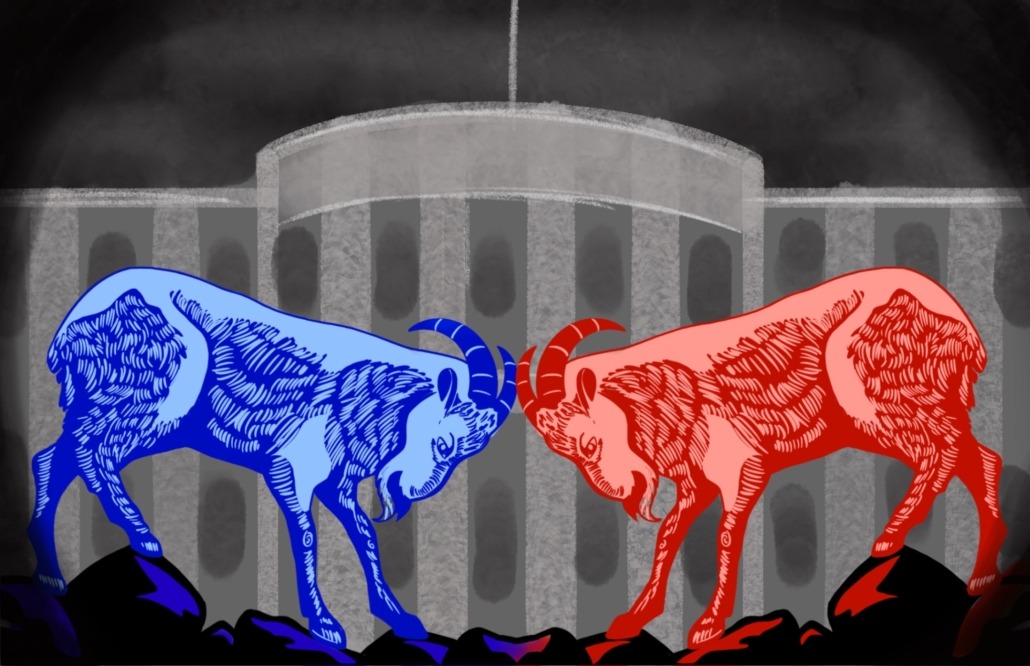

Conservatives have co-opted patriotism, and progressives must reclaim it.
What does it mean to be patriotic? Often, we associate patriotism with images of American flags, fireworks, anthems and eagles. But patriotism runs deeper than those symbols.
Apart from the Olympics, progressives and younger generations haven’t seemed to be feeling patriotic lately. A 2023 study from Gallup found that less than half of Generation Z claim to be very or extremely proud to be American.
For decades, conservatives have claimed patriotism as part of their political brand. They equate their love of their country with loyalty to traditional values, military power and national symbolism.
Liberal or progressive patriotism, however, centers on our nation’s potential rather than its perfection. Loving America means holding it accountable to the founding principles of equality, justice and liberty for all.
Yet, right-wing and nationalist movements have blurred the lines between patriotism and partisanship. They have framed dissent as disloyalty and turned patriotic symbols into conservative identity. This cultural shift has made liberals like me hesitant to outwardly celebrate our country.
Despite a liberal lean, USC is politically diverse. Los Angeles is known for being remarkably left-leaning, but I haven’t always felt comfortable sharing my views, even though I am progressive. I have gained confidence as my knowledge of policy has grown, but I haven’t found USC as conducive to open political discourse as it aspires to be.
Last October, I thrifted an obnoxious sweater covered in stars and stripes for the election season to show my enthusiasm for my country and the democratic process. What I saw as enthusiasm, others saw as blatant conservatism.
Classmates and strangers asked me why I voted for Donald Trump and other Republican candidates. I was even wearing the sweater in a social media interview that was edited to make me look like a Trump voter, even though I spoke about how I was proudly voting for Kamala Harris and other Democrats. I haven’t worn the sweater since.
Given the widespread conflation of nationalism and patriotism, it’s no surprise that public displays of patriotism leave a bad taste.
Christian nationalism has been rising in recent years, and this trend should make any reasonable American shiver. In 2024, the Public Religion Research Institute found that 3 in 10 Americans qualified as Christian nationalism adherents or sympathisers.
Despite these setbacks, liberals have every reason to reclaim patriotism. For progressives, loving America can mean loving its future and fighting to improve it. True patriotism isn’t blind allegiance to flag and country; it’s a dedication to the promise of a better and fairer nation.
Patriotism should support comprehensive action, including funding programs that give back to veterans, pushing for racial reconciliation, supporting accessible and fair voting, and defending democratic institutions against authoritarianism and fascism. “Patriots” on the far-right haven’t pursued these initiatives and have instead spent time attacking poll workers and pardoning insurrectionists.
Patriotism should be radically inclusive. It should welcome diversity and celebrate dissent — the highest respect for America lies in the courage to correct its failings and work toward justice for all who call this country home. It makes sense that those on the left have retreated from public displays of patriotism out of fear of being misunderstood. The solution to bringing true patriotism back isn’t to abandon patriotic rituals or symbols; it’s to reclaim them.
Celebrating the Fourth of July or singing the national anthem should not be partisan acts. When liberals reclaim these traditions, they challenge the narrative that conservatives own patriotism, opening up a broader and more nuanced understanding of national pride.
The future of patriotism depends on Gen Z and younger liberals, who are often excluded from traditional political messaging. A 2024 study from Human Flourishing Lab and the University of Chicago found that only half of self-identified liberals under the age of 30 consider themselves proud to be American. This doesn’t mean that young liberals hate America: It means they desire a country that earns their love and devotion through positive change.
Ultimately, it’s time for liberals to remember that patriotism is about continuous improvement, not perfection. Reclaiming the term means showing up for our country in our own way: by speaking out, voting, and holding it accountable to ideals of equality and freedom. The symbols and stories that represent America are ours to display and define. When liberals wear them proudly, we show that love of our country can and must coexist with a passion for justice and progress.
Young voters turned out in high numbers this election season, and college students have demonstrated that they rebuke Trump’s presidential administration and are willing to take a stand and fight it.
I commend the student volunteers at polling stations near USC for helping execute the democratic process. As USC students, we should also strive to volunteer, organize, and, at the very least, vote and remain politically engaged. We must ride this momentum and continue voting for candidates who represent an equitable and just future, with liberty and justice for all Americans.