What USC’s $10 million COVID-19 tuition settlement means for class members
Students who paid tuition or fees in Spring 2020 are eligible for compensation.
By ASIANA GUANG & SHAAN MISRA
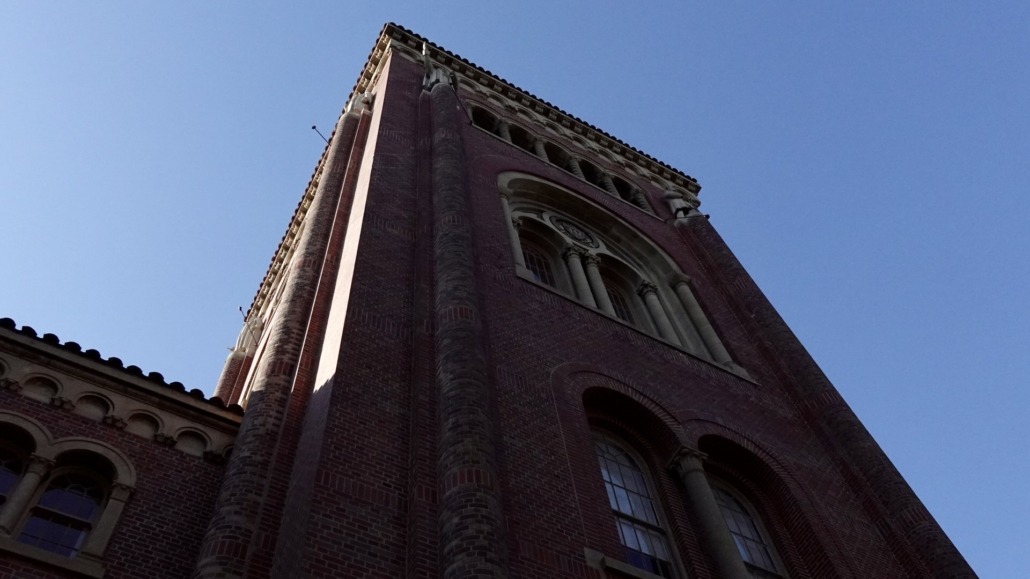

Students who paid tuition or fees in Spring 2020 are eligible for compensation.
USC has agreed to a $10 million class action settlement to resolve claims that the University failed to refund tuition, fees and other costs for the Spring 2020 semester after classes transitioned to remote instruction during the COVID-19 pandemic, according to the settlement agreement.
Under the agreement, USC will create a $10 million settlement fund to resolve the dispute, from which attorney fees and administrative expenses will first be deducted. The number of enrolled students who could be eligible for partial refunds at USC in Spring 2020 based on Fall 2019 enrollment is estimated to be just over 45,000.
How can you receive your part?
Each class member will receive a cash award from the $10 million settlement fund in equal amounts, calculated by dividing the available settlement fund by the number of class members. Once the court grants final approval at a March 27 hearing, cash awards are expected to be sent by check or electronic payment around 70 days later.
Class members can access the election form on the settlement’s website with their class member personal identification number and notice ID, assigned by the settlement administrator. However, a student is not required to submit a claim form or an election form in order to receive their cash award; it will be sent to the class members’ last known address if they do not fill out the form.
Eligible parties can submit an election form to update their mailing address or request payment via Venmo or PayPal. This election form is due by Feb. 20 and is available through the settlement notice emailed to eligible individuals about a month ago.
All cash awards in check form need to be cashed within 180 days after their issuance, or they will become null and void.
The settlement administrator will pay the remaining funds in the settlement account after the distribution of all cash awards and settlement expenses to the Student Basic Needs fund. The fund assists currently enrolled students experiencing financial difficulties by paying for rent, food, unforeseen medical expenses and childcare expenses.
The University expects the court to grant final approval in the fiscal year ending on June 30, 2026, according to the 2025 financial statement.
What was the complaint?
In response to the COVID-19 pandemic, USC transitioned its students to remote learning in March 2020 until the end of the spring semester. In May 2020, six students filed a class action lawsuit against USC and the Board of Trustees, alleging that they, along with similarly situated students, are entitled to partial refunds of tuition and fees the University withheld for the Spring 2020 academic term.
USC denied any and all wrongdoings such as that it profited from COVID-19, while “further burdening students and their families.”
Additionally, USC admitted that although plaintiffs did not receive tuition refunds at the time, some received housing, meal plan and parking fee refunds, as well as financial assistance from a CARES Act payment. The CARES Act is a federal stimulus package that provides economic relief to those affected by the global pandemic.
According to the settlement agreement, students who paid or were obligated to pay tuition, fees or other costs to USC for the Spring 2020 academic term are included in the settlement class.
What does the University say about its pandemic policies?
In a statement sent to the Daily Trojan, the University wrote that it was proud of the procedures it took to make sure students continued school during the global pandemic.
“While we fundamentally disagree with the basis for the allegations in the complaint, we have decided to put this matter to rest for both ourselves and our students,” the statement read.
The class counsel, represented by Berger Montague P.C., did not respond to the Daily Trojan’s request for a comment.
The University of Washington and Pepperdine University are two other institutions with similar lawsuits. Former students of these schools also argued that their tuition should be at least partially refunded for the Spring 2020 term. The University of Washington reached a settlement of $4 million and will be sending out payments, while Pepperdine University’s litigation is still pending.