Music is no longer about music; it is about views
The rise of the viral social media performer led us to lose artistry along the way.
By JACOB STRAND

The rise of the viral social media performer led us to lose artistry along the way.
With terms like “coworker music” and “NPC music” becoming more popular in modern music discussions and forums today, it’s clear that something significant has changed from the music scene of decades past.
Generally, the most listened-to artists of the past few years include the likes of ex-Disney stars, pop groups and well-known icons that essentially function as brands; most of last year’s most popular artists I only recognized from small 15-second snippets of their songs that I had heard trending on TikTok and Instagram.
Music and music culture since the pandemic have shifted dramatically, with mainstream attention being placed on short-form video content and artists adapting to a culture that no longer cares about music. Music is no longer a culture or an experience, but just another part of the content slop machine. The most popular music of today is the product of media gentrification: an art form no longer attached to its own identity.
Nowadays, with the surging popularity of short-form video content and online music streaming services, social media trends have taken over music and popular culture alike. What music is popular today is now intrinsically intertwined with whether the hook is catchy enough to fit in an Instagram reel or if the accompanying dance is cool enough for kids on TikTok.
A 2025 news release from TikTok itself and Luminate, a music data analysis firm, offered stark insights, reporting that 84% of songs on Billboard’s Global 200 in 2024 went viral on TikTok first and that, on average, so-called TikTok-Correlated Artists have experienced an 11% streaming growth rate, which is over three times the 3% for the other artists. These statistics, while striking in their proportions, aren’t surprising in the slightest as we enter 2026.
Undoubtedly, social media has embedded itself in the functionality of the entire music industry. Many people today now discover music through ancillary applications where music isn’t even the focus, with the attention instead being on examples including a product showcase or a travel vlog with music playing behind. Today, it feels like the popularity of an artist or song is based on how well it’ll perform in an algorithm that isn’t even prioritizing the music itself.
The music industry has taken notice of these facts and has adapted in kind. Music labels and artists alike are now writing and producing with social media virality as a top priority. It feels as if labels are putting more emphasis on artists’ imaging than the artistic process or the art itself.
Artists are utilizing their social media presence like never before because the numbers paint a clear picture: artists who don’t perform well on TikTok or Instagram simply don’t see the same streaming growth as those that do.
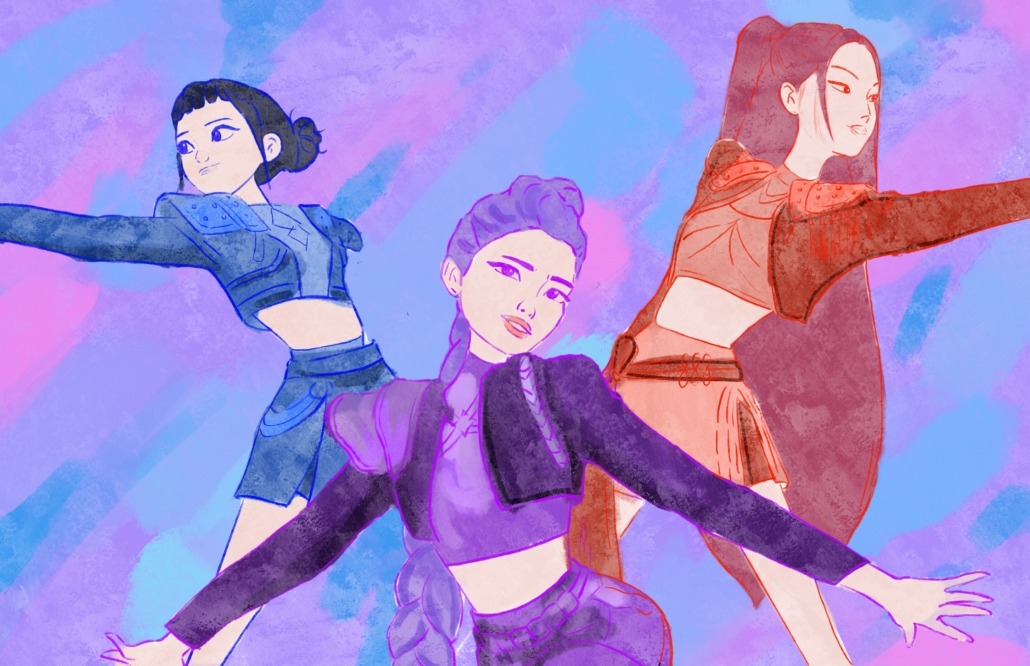
At the same time, music-centered ad campaigns like the GAP-Katseye collaboration seem to be geared toward viral social media success with flashy dances and visuals rather than showcasing music. In this particular case, the music of Katseye wasn’t even featured in the advertisement they starred in.
All of this has left the “musician” and “the band” as relics of a different era — all too crowded out by short-form content that prioritizes catchiness over quality. Bands, which had dominated the music charts and airwaves for decades before the 2000s, now have no place in a culture that prioritizes face rather than process.
The musical artist today is more idol-, more model-based, and less musical than those of yesterday. Music, at least in how it’s popularly consumed nowadays, no longer stands on its own; it is now demoted to a part of a whole.
However, despite all of this, music as an art is not dead. While mainstream music loses itself in the headwinds of social media trends, local indie, rock, EDM and jazz acts can be found everywhere.
In bars, basements and restaurants surrounding USC, performers are everywhere. The musician lives on. Across the city, there remains a strong community of musicians and music lovers who craft an authentic musical experience that is now foreign to today’s charts.
These local musicians represent the standard of a time not quite yet passed, innovating music through a love for music. Los Angeles is home to a vibrant music scene if you dare to look hard enough. Discover the jazz community in Chinatown. Explore the underground rock scene around CSU Northridge. Take a walk down Sunset Boulevard on a Friday night.
There’s music all around us, not just on your feed.
If you, like me, are tired of the never-ending onslaught of content slop, support your local musician — love music for music.