The 2016 trend is a rite of passage to ‘unc status’
The revival of 2016 is a collective reminiscence of a youth that lingers with Gen Z.
By KIYOMI MIURA
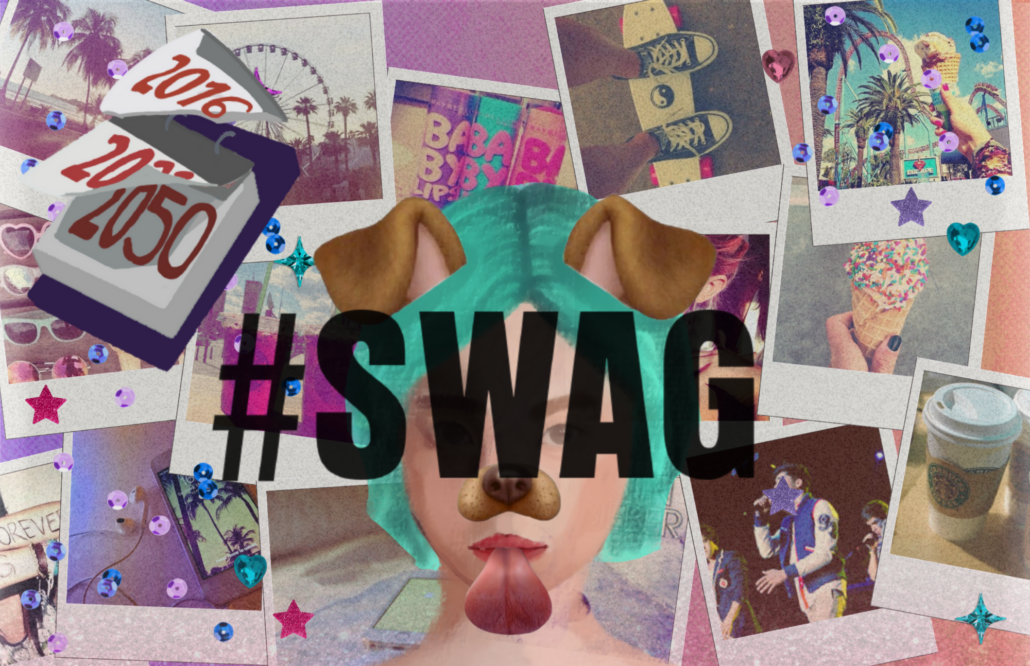

The revival of 2016 is a collective reminiscence of a youth that lingers with Gen Z.
When Black Beatles by Rae Sremmurd is trending again and skinny jeans aren’t a crime against fashion, that’s when you know we’ve entered a pop-culture reversion. Our countdown to 2026 didn’t take us from one year to the next, but rather 10 years back, revealing a powerful reverence for the landmark of the year that was 2016.
Recurrence of old trends has been seen time and time again: the 90s have seeped into the past decade through flared jeans and tiny sunglasses, while echoes of 80’s synth pop are the signature sound of The Weeknd’s albums. That’s the nature of pop culture: trends are a collection of recycled fragments from previous eras.
But this time around, the bombardment of 2016 posts is not an ordinary throwback trend. It’s a rite of passage.
The 2016 movement marks a moment of realization that Gen Z — the generation that drove the trends in 2016 — is more than halfway to officially reaching adulthood. The youngest of Gen Z are now 13, meaning there are no pre-teens to anchor our claim to being kids.
It’s plausible that the reason the trend picked up speed so quickly was because of the overwhelming nostalgia imposed on us with every song pulled from the depths of the era. We may have realized that the enjoyment we once found in what seemed like childish trends is still accessible to us now, despite the decade that has passed.
Along with this nostalgia, though, is a sense of refusal to let go of our inner child. We’re giving that inner child the spotlight for a moment because it isn’t easy to accept such a sign of maturing.
One might say that the “unc status” is creeping up on us. With Gen Alpha ousting us from the throne of youth, Gen Z must relinquish the claim to cultural authorship. It seems the mannequin challenge has already aged like fine wine and become old enough to need resurrection.
If that’s not a sign that we’re getting older, I don’t know what is.
Yet, as much as the daunting fate of becoming unc looms on the horizon, the 2016 movement embraces leaning into outdated trends. We’re revitalizing the entirety of an era, from fashion to music to the impromptu nature of social media. We’ve collectively and proudly acknowledged that 2016 is back.
Online, we’ve reverted to the “casual” aesthetic: effortless camera roll dumps on our Instagram encourage less thought and more spontaneity, while the blue-purple filter on TikTok embraces a playfulness we thought we outgrew.
Music has followed suit: Spotify revealed that user-generated 2016-themed playlists have increased by more than 790% since the beginning of the year. Thanks to the trend, “Lush Life” by Zara Larsson and “Closer” by The Chainsmokers have made a comeback.
We lean into the outdated pop culture because we refuse to let go of our childhood. It’s our last hurrah to the glory days of unrestrained playfulness. If you thought you were too old to be making boomerangs, you were wrong.
In his recent podcast episode “Using Play to Rewire & Improve Your Brain,” “Huberman Lab” host Andrew Huberman emphasizes the importance of “play” in one’s life. He explained how the act of engaging in playful activities can cause flexible and creative thinking, strengthening our neuroplasticity.
Even without fixating on the science behind it, it’s clear that the 2016 trend is a collective realization of our freedom to be foolish. Instead of accepting that the carefree days of childhood are behind us, why not embody the spontaneity we once had?
Of course, all generations are spearheading this trend. It’s not just Gen Z who have hopped on the bandwagon — Reese Witherspoon, Melissa McCarthy and Charlie Puth, among others, have shared a glimpse of their 2016 highlights.
But while artists might be leveraging the time to give their old songs an extra boost, the nostalgia hits the hardest for Gen Z, whose enjoyment of the trend came purely from childhood freedom.
The joy derived from the era wasn’t necessarily a one-hit song or fame online. It was derived purely from the freedom entailed in our youth.
So while 2026 is the new 2016 for everyone, the sentimentality hits a little harder for those of us whose 2026 marks the passage into adulthood.
If anything, the trend is a reminder that our inner child is always at our disposal, itching to get out. Even after this movement washes over like any other in the digital age of disposable trends, let it be the reminder to embrace your inner child at every stage in life.