Buy now, pay later: a financial coping mechanism
Short-term financing is not a solution to the affordability crisis, it’s a symptom.
By JACOB STRAND
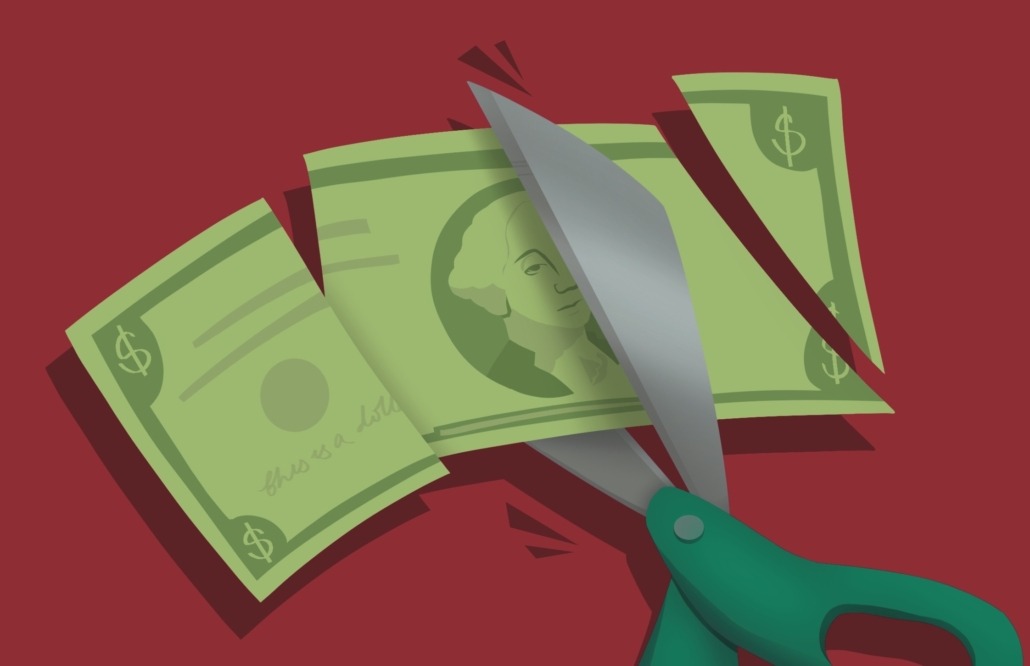

Short-term financing is not a solution to the affordability crisis, it’s a symptom.
I knew things were off after a friend of mine casually told me that he had bought his DoorDash Chipotle order by financing it in installments through an app called Klarna.
Without a shadow of a doubt, everything is getting more expensive: from food and gas to power and clothes to rent, housing and tuition. At the same time, wages fail to keep up with these rising costs. In the face of these mounting challenges, how are consumers keeping up? In short, they aren’t.
More than ever, consumers are turning to short-term financing services. Popularly known as Buy Now, Pay Later, services like Klarna, Afterpay and Affirm allow users to purchase goods and services and pay through staggered installments that are generally interest-free.
These services have demonstrated massive growth in recent years, with Klarna in particular claiming to serve roughly 114 million users and supporting 3.4 million daily transactions. Worldwide, around 850,000 merchants allow customers to finance their purchases through Klarna, including major brands like Amazon, eBay and Macy’s.
These services are particularly popular among young people, with user data and social media stats from Klarna showing that their audience is primarily Gen Z and millennials. Through capitalizing on an apparent growing loan market and clever advertising, these budgeting services have positioned themselves as a popular financial tool among young people.
Klarna, Afterpay and other similar apps present themselves as easy, cost-free solutions to the rising cost of living, but these services, with their friendly slogans and bright logo colors, do nothing to remedy how wages are lagging behind real costs, how essential services are getting more expensive and how productivity is outpacing salaries.
People are looking for more desperate measures to cope with genuine fiscal challenges, and short-term budgeting only offers a temporary solution to major financial difficulties in an increasingly unaffordable country. The rising popularity of borrowing through short-term financing is indicative of people running out of options to maintain their spending habits. Ultimately, though, these options do nothing to lower real costs.
Short-term financing sustains and teaches financial irresponsibility, and it comes with very real consequences. User data from Klarna reveals particularly concerning spending and borrowing patterns: CNBC reported that in 2024, 63% of short-term financing users had taken out multiple loans, 33% had borrowed from multiple sources, and most concerningly of all, 41% had been late on payments.
These numbers here are indicative not only of the concerning spending behaviors that these companies permit, but are also indicators of people generally being worse off. People are using budgeting apps as a way to pay for things they find themselves increasingly unable to afford, resorting to debt in short, rapid intervals.
The ubiquity of short-term financing is also a cause for worry. The sheer number of people in the United States and worldwide who use these services is astonishing.
On top of that, the fact that many of these people need to use Klarna or Afterpay on relatively small purchases, such as on a meal ordered on DoorDash or an Amazon order, alongside major and vital lifestyle purchases, like rent and vehicle purchases, reveals a desperation attached to current spending habits.
Plainly, the fact that people need alternative options to afford routine purchases alongside necessities is not a healthy sign in any economy. The real issue at play here is that it’s getting harder and harder to pay for anything and everything.
Young people in particular are at an inflection point. Many are facing an increasingly hostile market with fewer opportunities than the generation before them. As young professionals struggle in the no-hire, no-fire economy, they are seeking tools to supplement the consumption of basic and luxury goods alike. In an effort to cope with these obstacles, students and young professionals are offsetting costs to the future and delaying responsibility to another time.
The numbers are staggering, and the scope of this problem should be concerning to anyone who values a healthy economy. And it should be doubly as worrying if you are young and or using short-term financing as a coping mechanism.
These apps are not the solutions we need, as the cost of living only continues to rise. Pressures on the consumer are mounting day by day, with tariffs, corporate consolidation, and inflation chipping away at savings and salaries.
The issue of affordability is bigger than any one of us, but we have to focus on the real issues instead of kicking the can down the road. Only then can we hope to keep up with the fiscal challenges ahead. Whether we choose to practice personal financial responsibility or call upon our government to regulate, we must abandon the unsustainable allure of the term “Buy now, pay later.”
As the Trump administration gloats about how strong the economy is, real people are clearly struggling to keep up with the costs of living, and corporations are offering short-term remedies when what we really need is a cure.
We need policies that actually tackle the cost of living crisis rather than continuing to ignore the issue at hand. We need to start demanding a better economic future, for affordability for everyone, especially for young people. Contact your congressperson and vote in this year’s midterms; this is an issue we should all be up in arms over. If we don’t, we’ll be the ones who’ll be paying. Without a real solution to this, “buy now” will only leave this generation bankrupt later.