TikTok music is — and should be — good
It’s popular for a reason and is launching the new generation of artists.
By MILAN HOANG

It’s popular for a reason and is launching the new generation of artists.
What’s your top song of the year? And don’t tell me it’s something you found “before it blew up” or that it’s “underground.”
People have placed too much pride in being “niche” while unfairly criticizing songs made popular on apps like TikTok — almost making it a personality trait. Immediately, songs that blow up on TikTok are deemed overrated and counted against someone’s music taste. But the truth is, most of these songs become popular for a reason.
It’s not a mere accident that they end up consuming our For You pages and are in every other video we see. They resonate with us, and that’s exactly what makes them good.
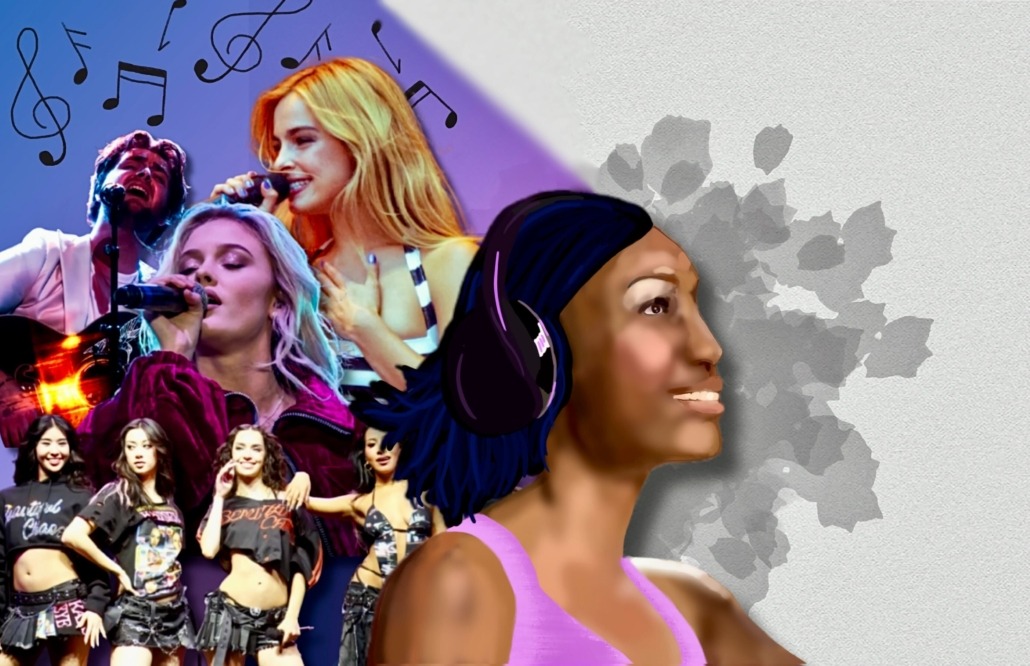
TikTok has become a tool for music discovery and exposure. Luminate, an entertainment data and insight company that reports annual music impact, publishes that 84% of songs that entered the Billboard Global 200 in 2024 went viral on TikTok first. The global charts show how TikTok has transcended music beyond geographic barriers and constraints.
Instead of relying on the radio, TikTok users are now the catalyst — deciding who takes over the global music charts. A short clip can snowball into thousands of videos, echoing that song. It’s not artificial popularity — it’s shared exposure.
And yes, it becomes repetitive to hear it replay every other minute. Those 15-second clips get dull, but it doesn’t necessarily make them bad.
Imagine the tracks that defined your past: songs in the background of late-night drives, evening strolls and watching sunsets. At the time, maybe they felt monotonous. Now, they act as nostalgic time capsules: songs that can transport you back to fond memories.
And I’ll admit: listening to “Mystical Magical” by Benson Boone will make me disgustingly nostalgic and joyous as I reminisce about this past summer. In a similar vein, TikTok songs act as markers of specific moments: a friendship, a season or a phase of your life.
Rather than blaming the algorithm, listeners should recognize that TikTok is one of the most accessible platforms for small artists to jumpstart their careers and connect with a larger audience. They no longer need industry support or record labels to be heard. This kind of upward mobility in the music industry used to be close to impossible.
This year, Olivia Dean’s music has flooded social media. Clips of songs from her album “The Art of Loving” have been in “get ready with me” videos, aesthetic montages and edits of your favorite TV show ships. However, her rise to fame isn’t out of the blue. Her first break came at 18 years old as she became a background vocalist for Rudimental, and now she’s a winner in the Best New Artist category.
With TikTok’s support in spreading exposure to her album, she’s captured everyone’s attention with her warmth and idyllic energy — a presence that deeply resonates with people. Some claimed that her contagion was purely because a majority liked her music on TikTok, reducing her success down to an insubstantial algorithm. However, her songs narrate the heartfelt love shared by everyone. While TikTok helped, it didn’t manufacture how drawn we became to her music — it amplified it.
TikTok revives and gives songs a second life while simultaneously supporting tracks currently released by artists. This algorithm is the only reason I found “Peace” by Elle Coves — one of my most coveted songs.
Critics argue that TikTok reduces songs to a mere 15-second hook, preventing listeners from fully indulging in a song. But choruses exist as exactly that.
Luminate reports that 68% of U.S. TikTok users are more likely to pay for a music-streaming service than the U.S. general population. Users are exposed to different clips of songs, which contribute to their music activity outside of the app, since they most likely are interested in listening to the full song after initial exposure via TikTok.
These sound bites and chorus hooks influence users into streaming the songs on other platforms. The difference isn’t that songs are being reduced to a short clip; it’s the speed at which songs are being consumed — we discover songs faster.
When a song trends, it acts as a shared language. People across cities use the same audio to tell different stories while feeling those same emotions. On campus, students bond over a breakup, a joke and political commentary that all become tied together by one soundtrack. Music grows to become more participatory rather than passive and digested.
Rejecting TikTok music as overrated and boring feels less like a critique of its quality and more like hostility against its accessibility. When everyone can access and enjoy a song, it stops feeling exclusive to you. But music was never meant to be enjoyed in this way. It’s always been meant to connect.
So, instead of rolling your eyes and complaining about the next viral song, consider why it’s caught on with people. Maybe it’s catchy, or maybe it captures a universal feeling in our human experience. Maybe it’s just fun, and maybe that’s enough.
The best songs aren’t defined by their popularity or lack thereof. They’re defined by how many people feel them.