LETTER TO THE EDITOR
Voices they tried to erase
Iran’s resistance ignites a global call for justice.

The video began with a heart-stopping sound: a sharp crack cutting through chants. There’s blood on the ground. The cries of the crowd, once peacefully begging for a righteous government, now merely beg for their lives as armoured trucks rampage through civilian lives.
Somewhere in Iran, a phone camera shook as people ran, their voices swallowed by gunfire. I watched from the safety of my dorm at USC, able to close the app at any moment, while they could not escape the street. In that moment, freedom no longer felt like an abstract right, but a privilege others are denied.
My grandmother used to tell me: “Noor hamishe bar tariki pirooz ast,” which translates to “Light always triumphs over darkness,” in Persian. Yet years later, the hopeful light I carried as an 11-year-old diminished against the shadows of oppression cast by the regime over her life. Today, as a Persian student studying at USC, I carry my grandmother’s voice and hardship to shed light on the continued violence millions are surviving.
The Islamic Republic’s regime continues to employ the same violent and repressive tactics as they have since 1979, weaponizing silence and replacing hope with fear. The regime has criminalized and slaughtered all kinds of people, from the LGBTQIA+ community demanding rights to parents asking for economic reforms for their starving children to women asking for equal treatment.
One of the most gut-wrenching instances of this oppression came in 2022, when “morality police” viciously beat and dragged Mahsa Amini, a woman who allegedly wore her hijab “improperly.” She died from her injuries soon after, and her death triggered a collective scream for Iranians after decades of suffocation.
The Woman, Life, Freedom movement erupted, and people flooded the streets of Iran filled with desperate, but hopeful courage. They were met with the regime’s brutality and gunshots, and their internet went dark so they could not announce their suffering.
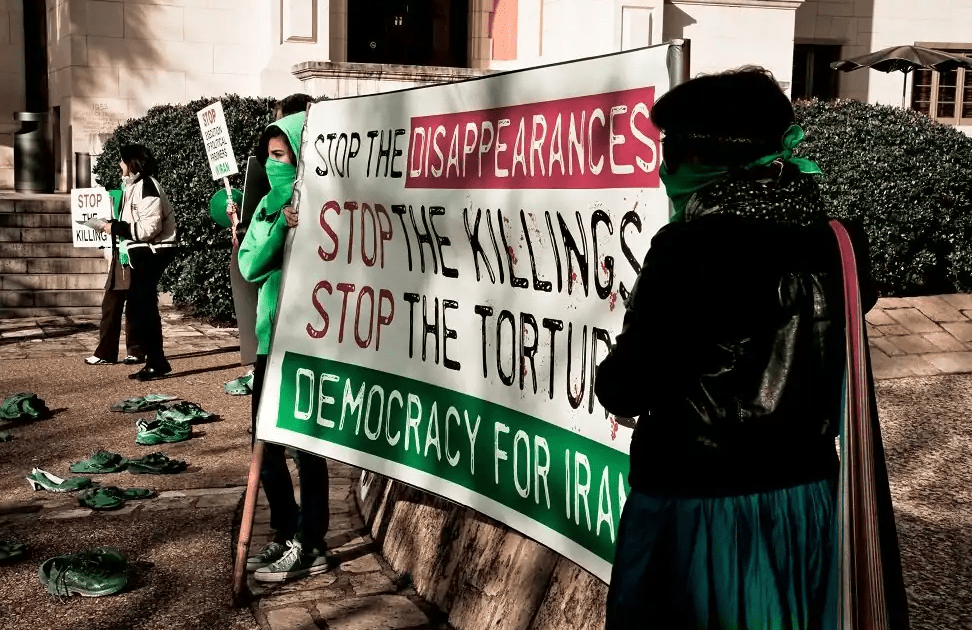
Despite the brutal fist of the Iranian regime, the people remain unbroken. Simple protests originating from struggling Bazaaris — merchants — have spread throughout the country. According to the United Nations Fact-Finding Mission on Iran, unrest has reached all 31 provinces to demonstrate their anger with the Islamic Republic’s regime.
Supporting the people of Iran by amplifying their voices, documenting their struggles and advocating for their freedom is the most urgent expression of our shared humanity. I urge USC students and faculty to spread the word and stand on the right side of history. If Iran’s regime persists, Iranians may never reach peace and the regime will continue to encumber future generations with oppression.
Nothing happens overnight, but as USC students, we have the power to educate ourselves and others on ongoing events to magnify Iranians’ fight against the plague of global authoritarianism. The regime has permanently erased many voices, but we can uplift those who remain. While my light alone can’t light up the dark, our lights of hope can.
Light always triumphs against darkness.
Milan Mahbod Zadeh is a Persian American senior majoring in health and human sciences as well as pursuing a master’s in global medicine.

We are the only independent newspaper here at USC, run at every level by students. That means we aren’t tied down by any other interests but those of readers like you: the students, faculty, staff and South Central residents that together make up the USC community.
Independence is a double-edged sword: We have a unique lens into the University’s actions and policies, and can hold powerful figures accountable when others cannot. But that also means our budget is severely limited. We’re already spread thin as we compensate the writers, photographers, artists, designers and editors whose incredible work you see in our paper; as we work to revamp and expand our digital presence, we now have additional staff making podcasts, videos, webpages, our first ever magazine and social media content, who are at risk of being unable to receive the support they deserve.
We are therefore indebted to readers like you, who, by supporting us, help keep our paper independent, free and widely accessible.
Please consider supporting us. Even $1 goes a long way in supporting our work; if you are able, you can also support us with monthly, or even annual, donations. Thank you.
This site uses cookies. By continuing to browse the site, you are agreeing to our use of cookies.
Accept settingsDo Not AcceptWe may request cookies to be set on your device. We use cookies to let us know when you visit our websites, how you interact with us, to enrich your user experience, and to customize your relationship with our website.
Click on the different category headings to find out more. You can also change some of your preferences. Note that blocking some types of cookies may impact your experience on our websites and the services we are able to offer.
These cookies are strictly necessary to provide you with services available through our website and to use some of its features.
Because these cookies are strictly necessary to deliver the website, refusing them will have impact how our site functions. You always can block or delete cookies by changing your browser settings and force blocking all cookies on this website. But this will always prompt you to accept/refuse cookies when revisiting our site.
We fully respect if you want to refuse cookies but to avoid asking you again and again kindly allow us to store a cookie for that. You are free to opt out any time or opt in for other cookies to get a better experience. If you refuse cookies we will remove all set cookies in our domain.
We provide you with a list of stored cookies on your computer in our domain so you can check what we stored. Due to security reasons we are not able to show or modify cookies from other domains. You can check these in your browser security settings.
These cookies collect information that is used either in aggregate form to help us understand how our website is being used or how effective our marketing campaigns are, or to help us customize our website and application for you in order to enhance your experience.
If you do not want that we track your visit to our site you can disable tracking in your browser here:
We also use different external services like Google Webfonts, Google Maps, and external Video providers. Since these providers may collect personal data like your IP address we allow you to block them here. Please be aware that this might heavily reduce the functionality and appearance of our site. Changes will take effect once you reload the page.
Google Webfont Settings:
Google Map Settings:
Google reCaptcha Settings:
Vimeo and Youtube video embeds:
The following cookies are also needed - You can choose if you want to allow them: