Student Health expands toxic stress screenings
Students scheduling physical check-up appointments are now asked about adverse childhood experiences.
By QUINTEN SEGHERS
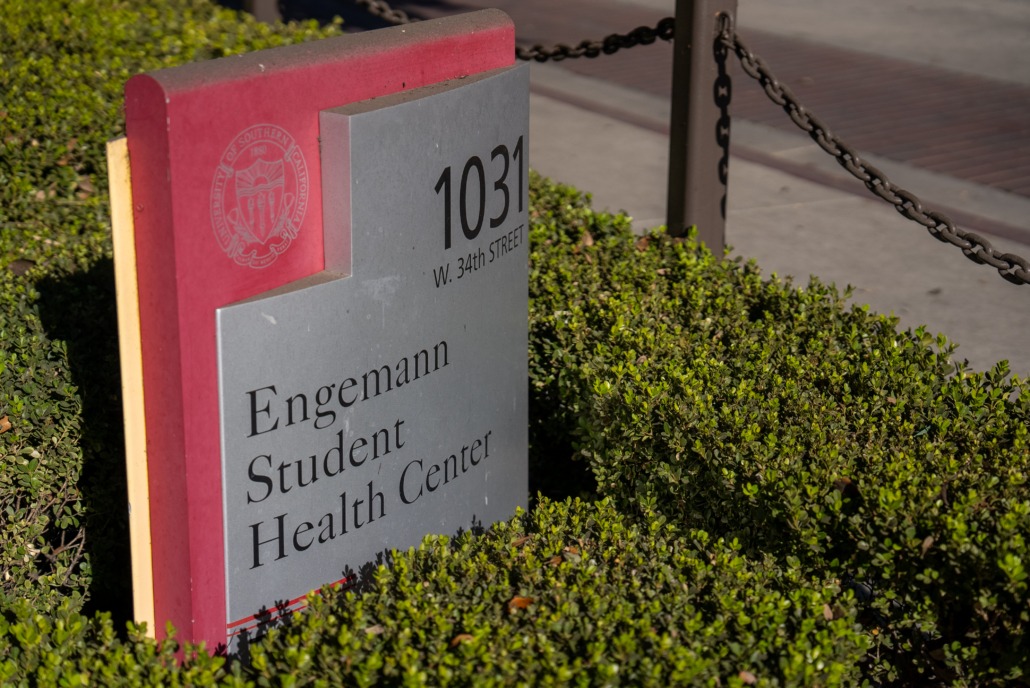

Students scheduling physical check-up appointments are now asked about adverse childhood experiences.
Last semester, Student Health expanded its use of a pre-appointment questionnaire to identify students who may have experienced long-term stress in an effort to become a more “trauma-informed organization,” Chief Campus Health Officer Dr. Sarah Van Orman said in a briefing with campus media Tuesday.
Student Health conducted a pilot program three years ago, rolled out the questionnaire as a screener for pre-scheduled mental health visits last year and expanded it in Fall 2025 to also screen before scheduled physical checkups.
Student Health is using a modified version of the Centers for Disease Control and Prevention and Kaiser Permanente’s Adverse Childhood Experiences survey, Van Orman said. ACE questionnaires typically include 10 yes or no questions to quantify how much chronic stress a person experienced during childhood. The questions touch on physical abuse, emotional abuse and substance abuse; the number of “yes” responses is tallied up to determine one’s ACE score.
Van Orman said Student Health’s effort to disseminate ACE questionnaires was spurred by the California Surgeon General’s ACEs Aware campaign, which was established in 2019 to decrease ACE scores statewide.
Aaryan Midha, a senior majoring in health promotion and disease prevention studies, first encountered Student Health’s ACE questionnaire last year while signing up for a “Let’s Talk” short-term individual therapy solution session. He said he at first felt “confused” as to why Student Health would need such information for what is supposed to be a one-time consultation.
“I didn’t understand the necessity of it in that scenario because I wasn’t necessarily looking to be diagnosed or anything, or have something in the past be attributed to the present,” Midha said. “At first I was confused, but I think it made sense because, oftentimes, a lot of people’s issues are rooted in past experience.”
Filling out the ACE questionnaire is entirely optional, and students only need to fill it out once. Student Health providers use survey results to guide treatment plans, identify what resources to connect students with and prevent worsening trauma, Van Orman said.
“The healthcare setting itself can be a place where people may experience certain kinds of trauma; it can be very triggering,” Van Orman said. “[We’re] actively looking at, ‘How do we avoid re-traumatization in the healthcare setting?’”
The original set of ACE questions was jointly created by the CDC and Kaiser Permanente in 1995 for a study that aimed to track the long-term health ramifications of child neglect.
The study had over 17,000 participants and changed doctors’ understanding of how stress can wreak havoc on the body, Van Orman said. When a child’s stress-response system is constantly activated, their stress can become “toxic” and fundamentally alter their brain structure for the worse, according to the American Academy of Pediatrics.
Having an ACE score of four or higher makes an individual 1.4 times as likely to develop diabetes, 11.2 times as likely to develop Alzheimer’s disease or dementia, and 37.5 times as likely to attempt suicide compared with those with a score of zero, according to the California Surgeon General’s 2020 ACE report.
The 2020 report also found that one out of six Californians have an ACE score of four or higher, and that people with an ACE score of six or higher live, on average, almost 20 years less than those with a score of zero.
Student Health’s ACE educational materials urge people to combat their stress — and, in turn, the health ramifications of ACEs — by getting quality sleep, eating a balanced diet, being physically active and connecting with nature.
“Obviously, students coming to USC have been extremely successful … but we also know that many of them may have also experienced [trauma],” Van Orman said. “The screening is really about sharing that information with the patient [and] providing them with opportunities to access resources.”