A defense of lowbrow literature
Books have always belonged to the readers who love them.
By GABRIELLE LONGMAN
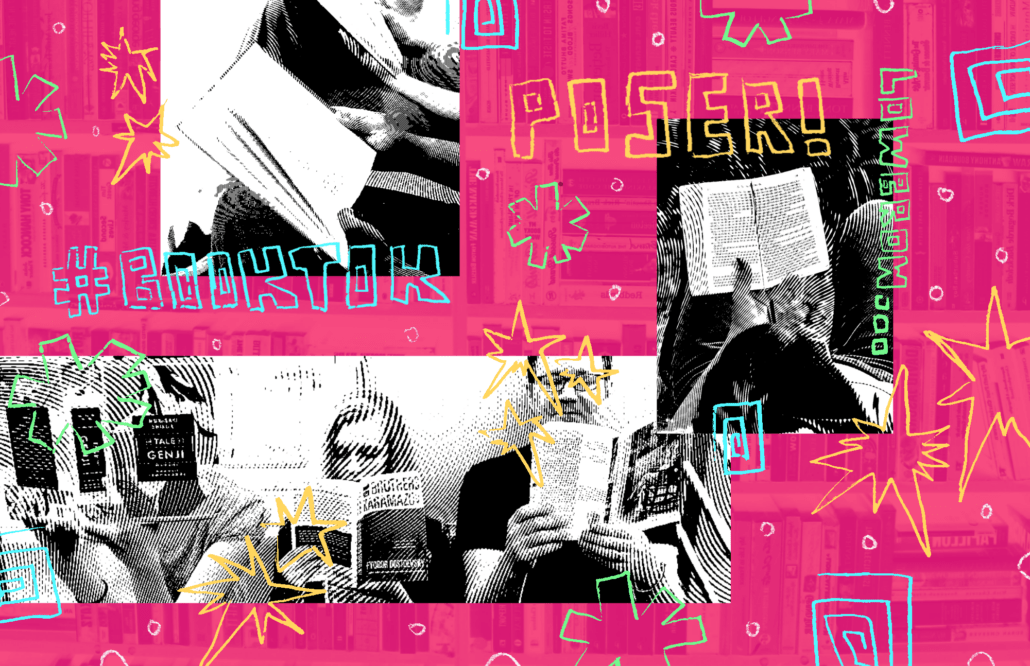

Books have always belonged to the readers who love them.
In 2022, The New York Times published a wry investigative piece trying to find the elusive “Celebrity Book Stylist,” a character allegedly charging celebrities for advice on which book to carry for paparazzi photos. Which, by the way, if anyone would like to pay me, I will do that job at a tenth of the going rate.
In the article, journalist Nick Haramis wrote that “books have become such coveted signifiers of taste and self-expression that the objects themselves are now status symbols.”
If books signal status, the existence of a “stylist” means some books must signal a higher status. It seems as though there is a hierarchy to literature. Some books project intelligence, others shallowness; some confer taste, others are too trashy. There are a thousand ways to draw these lines, but most of them collapse into a familiar opposition: highbrow versus lowbrow.
Highbrow literature is reserved for works considered intellectually serious and complex, whereas lowbrow literature generally refers to popular fiction written for mass entertainment rather than prestige. But lowbrow is a slippery label. It has a tendency to say more about the audience of a book than any clearly defined literary traits.
Today, the most visible driver of “lowbrow” reading is BookTok, a subcommunity of TikTok users who discuss reading and share book recommendations. As calm as that sounds, they are a massive market force.
BookTok has been credited with reviving brick-and-mortar bookstores and the industry giant Barnes & Noble. The hashtag on TikTok sits at over 370 billion views with videos from 52 million unique creators.
But BookTok also takes a lot of flak.
Critics accuse it of promoting formulaic, poorly written books — usually romance and fantasy — claiming its favorite stories rely heavily on boring tropes and erotica, and have no literary merit. Substack essays titled something like “Has BookTok Ruined Literature?” are a dime a dozen.
BookTok is seen as a place where people recommend vapid, intellectually empty books to one another — lowbrow stories designed for mass consumption rather than serious reading.
The dismissal of BookTok reveals mistaken assumptions about what literature is for. It assumes the primary purpose of literature is intellectual elevation, that books must justify themselves through difficulty or cultural prestige. But literature has always been just as much about joy.
What counts as lowbrow is relative, and history often changes its mind. “The Count of Monte Cristo” by Alexandre Dumas is considered one of the greatest stories ever put to pen. Dumas’ masterpiece is part of Barnes & Noble’s classics series and Oxford’s World Classics as “one of the most exciting and best-loved novels of all time.”
But “The Count of Monte Cristo” did not receive such reverence from a high-cultured audience upon debut. Part of the reason for this was that the novel was serialized in the popular French roman-feuilleton style, which means it debuted in installments in newspapers from 1844 to 1846. So next time you complain about the gap between “The White Lotus” seasons, know that some French guy in 1845 was probably also dealing with the same thing.
The feuilleton style was often criticized by Parisian intellectuals at the time. The French professional library journal, the Bulletin des bibliothèques de France, describes the historical reputation of the serialized novel as “fit only for concierges, women, children, the elderly, the idle, and the common people.”
The elitist words for the serialized novel audiences came from a familiar fear — the idea that democratization inevitably degrades quality. “The Count of Monte Cristo” was wildly popular at release, and its accessibility through serialization was why it struggled for respect in highbrow circles.
Just as highbrow critics might dismiss the content of the series “A Court of Thorns and Roses” by Sarah J. Maas or “The Cruel Prince” by Holly Black as tropey, “The Count of Monte Cristo” delights in melodrama. Dumas’ work at its heart is a swashbuckling revenge fantasy with found family, a lesbian subplot that ends with running off into the sunset and secret identity antics. It’s endearing to know readers have always loved the same kind of stories.
With both TikTok and the feuilleton, accessibility for mass audiences is at the forefront. Mass interest inevitably produces abundance. Not every book is well written. I am certainly not endorsing every Booktok recommendation — I have tried to burn my sister’s Colleen Hoover collection multiple times. Not every 1845 feuilleton was good or unproblematic, either.
But, during the Los Angeles Times Festival of Books last spring at USC, I walked past a line so long you would’ve thought it was the Rise of Resistance ride at Disneyland. People were waiting for Rebecca Yarros, author of “Fourth Wing,” BookTok’s biggest breakout novel. Fans stood together chatting in custom fan merch, dragon tote bags and charm bracelets.
That line represents a tiny slice of the millions reading romance, fantasy and lining up for dragons and pirates. That joy is not a threat to literature. It’s the purpose of literature.
Read what is exciting and makes you stay up too late when you have work or school in the morning. Screw lowbrow, literature has always belonged to the people who love it.