LA28 will militarize the University
United States Secret Service “stop and search zones” will transform campus from a space of learning into one of fear.
By EMMA IBRAHIM
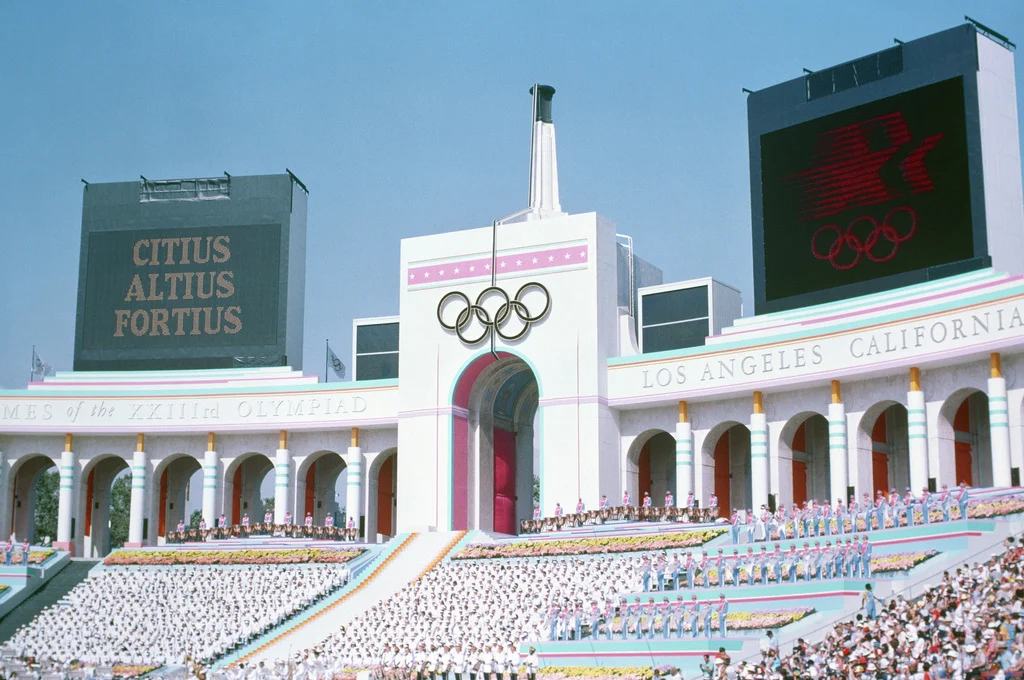

United States Secret Service “stop and search zones” will transform campus from a space of learning into one of fear.
For the freshman class, the University will look different by the time their graduation comes around, as Los Angeles will be reeling from the aftermath of hosting the 2028 Olympic Games — and the heightened policing that comes with the high-level security event.
Beginning in the summer of 2028, Mark Ewalt, USC’s executive director of operations and compliance, said at Wednesday’s Academic Senate meeting that the United States Secret Service will establish “stop and search zones” in certain parts of campus, a change that will continue into the Fall 2028 semester due to the Paralympics.
For those who were students in Spring 2024, the discussion of implementing enhanced security safeguards might be reminiscent of when the University called in the Los Angeles Police Department to clear the Gaza Solidarity Occupation, arresting 93 people for trespassing, established ID checkpoints and bag checks, and erected gates inside and around campus.
“My friends would literally wait in these lines for 30 minutes to an hour just to get to their finals in time,” said Camryn Kim, a junior majoring in international relations and global business, about finals season during the protests. “I remember they deliberately would leave very early just to make sure that they got in the building at the right time because these check-ins were insane.”
The previous University administration’s security crackdown was criticized by many students, faculty and South Central residents for its cost, inconvenience and for separating the campus from the surrounding community.
But after former University President Carol Folt stepped down and President Beong-Soo Kim assumed the role in August 2025, some security measures, like mandatory ID checks during the day, have been dismantled and campus has become freer.
Regardless of how controversial the security protocols were after the student protests and encampments, at least those were overseen by the University.
The Secret Service directing “stop and search zones” will militarize our campus and only serve to worsen the barrier between USC and the South Central community.
The Daily Trojan reached out to the Secret Service’s office in Los Angeles for more information, but they did not respond prior to publication.
In 2024, Alejandro Mayorkas, then Secretary of Homeland Security, designated the 2028 Olympics as a National Special Security Event. During the Olympics, the Secret Service will lead security efforts and coordinate local and federal law enforcement, which includes the Federal Bureau of Investigation and Immigration and Customs Enforcement.
The enhanced security measures won’t just stop at our campus — many of the Olympic events, including flag football and lacrosse, will be held in Exposition Park, just a few blocks away from USC, bringing federal agents and LAPD to our backyard.
The last time L.A. hosted the Olympics was in 1984. The increased police presence and amplified security throughout the city intensified LAPD’s racial profiling in Black and Latino communities, including right here in South Central.
With the Supreme Court’s decision in September 2025 clearing a pathway for ICE agents to racially profile Angelenos based on factors like perceived ethnicity and language, the influx of federal agents for LA28 may aggravate the already precarious issue of racial targeting.
Ideally, college campuses are environments for learning about humanities and sciences, love and loss, and figuring out our place in the world and what we want out of our lives.
But that sense of comfort in having a space designed for experimentation and development comes crumbling down when a campus becomes militarized.
After a year of ICE agents and National Guard members inflicting terror through our streets, we do not need to feel like criminals in our own neighborhood or on our campus.
The answer to keeping our community safe should not be entrusting the Department of Homeland Security — the very agency that continues to victimize our neighbors throughout the city — to militarize our campus.
The University owes it to the students and the residents of South Central, who have as much stake in this as we do, to ensure that LA28’s security procedures do not wind up causing more harm than good.