PAULI’S SLICE
A case for devotion
What it means to stay when things get hard.

By PAULINA DA SILVA
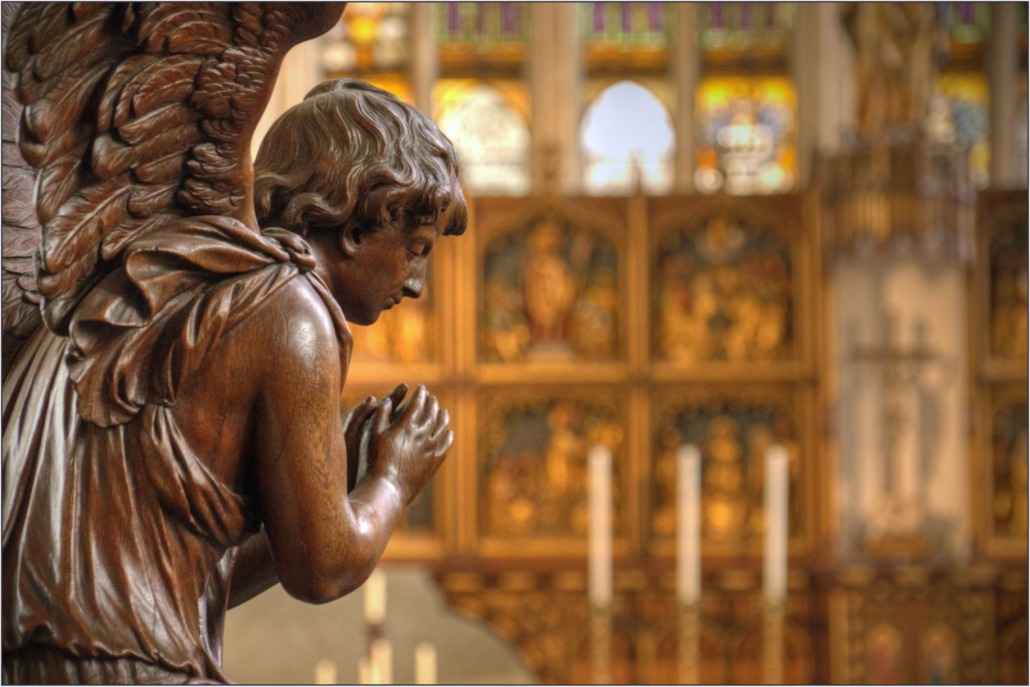

What it means to stay when things get hard.
Give yourself fully.
Does this come across as radical? Such a statement may lend itself to being beautiful, romantic even, when thought of at face value. Paulina, that’s wonderful in theory — but what is its practice?
It is one thing to admire devotion; it is another thing to sustain it.
Devotion is unconditional. It is showing up on your best days while committing to do the same on your worst. It’s the kind of unwavering steadiness that resists a changing mood or self-important ego.
It is far easier to be present when things are going well, but much more difficult to remain when they are not. Yet, this is precisely what devotion demands of us. It is persistence in the face of adversity, completion when things are difficult.
Devotion is sacrifice. It is the actions of an otherwise unwilling soul to compromise passion and assurance. It is the intentional action of choosing consistency over convenience.
Showing up to your friend’s dinner when it is greatly out of your way, attending a weekly mass or working overtime on the weekends all exemplify this notion of sacrifice.
We are inclined to perceive devotion as a grandiose gesture, a phenomenon reserved for lifelong passions or undying loves. I believe it is far more unassuming. It looks to others like consistency — returning without the need for reward and doing so wholeheartedly.
Devotion is vulnerable. It is being at the mercy of any exterior force. Devoting yourself to a practice, a person or a place is to embrace the possibility of being deeply affected by it. There is no version of devotion that permits you to be unsusceptible to change.
In acknowledging this vulnerability, you still decide to choose it — again and again, even after disappointment, boredom or failure.
In a culture that prizes detachment, efficiency and endless self-optimization, devotion feels almost subversive. We are taught to refine ourselves constantly, to never become attached or stay longer than necessary. This unspoken understanding of indifference has become a plague on modern society.
We see this newfound resurgence of efficiency and self-optimization additionally manifested through academic culture. Particularly as a student at USC, there is a consistent need to outperform your peers, to get the best internship and to be maximally involved. In this high-speed environment, we can begin to lose ourselves.
There is this popular notion among my generation of being nonchalant — an attitude that promotes the idea that the less you care, the more power you have and the less you risk embarrassment or rejection.
Does this not counteract the very basis of what it means to be a living, breathing human?
To be nonchalant is to refuse depth. It is to move through this world with an attitude of dismissal and belief that people and places are interchangeable and disposable.
Devotion is the counter to this nonchalance. To partake in it is to resist disposability and declare that some things are worth staying for.
For my fellow peers, devotion can manifest itself in many ways. It can bring us structure when we feel lost, direction when we feel uncertain and solace when we feel overwhelmed.
A person worth your undivided attention, a practice that brings you meaning or a place that grounds you in reality — these are the things that remind us of what it means to be alive.
College, as many know all too well, is hard. On top of maintaining focus on being the best student you possibly can, you must balance the extenuating circumstances of your personal life. Sounds simple enough, right?
Oftentimes we are faced with a semester of minimal motivation, an unexpected rivalry among friends or any plethora of unfortunate circumstances we may find ourselves in while in university.
Life is unforgiving. It doesn’t discriminate on what it throws at you, no matter who you are. In the face of this irreparable truth, detachment will only harm you when unpredictability arrives.
If I could ask one thing from my fellow peers, it would be to invest deeply during this time of our lives. Many things are still new, fresh and exciting. Please take advantage of this unique disposition we have been granted.
Finish the things you start. Stay in the room when it becomes uncomfortable. Show up when the excitement fades.
Love the things you love with no remorse.
To give yourself fully is not to promise perfection. Neither is it to never falter in your pursuit of devotion. There is something deeply intimate about deciding to remain.
Living in a world that consistently promotes distance, choose to stay.
Paulina da Silva is a junior writing about cuisine, culture and community in her column, “Pauli’s Slice,” which runs every other Wednesday.