We must prioritize health over form
College is where we set the habits that will follow us for decades of healthy living.
By JACKSON SNEERINGER
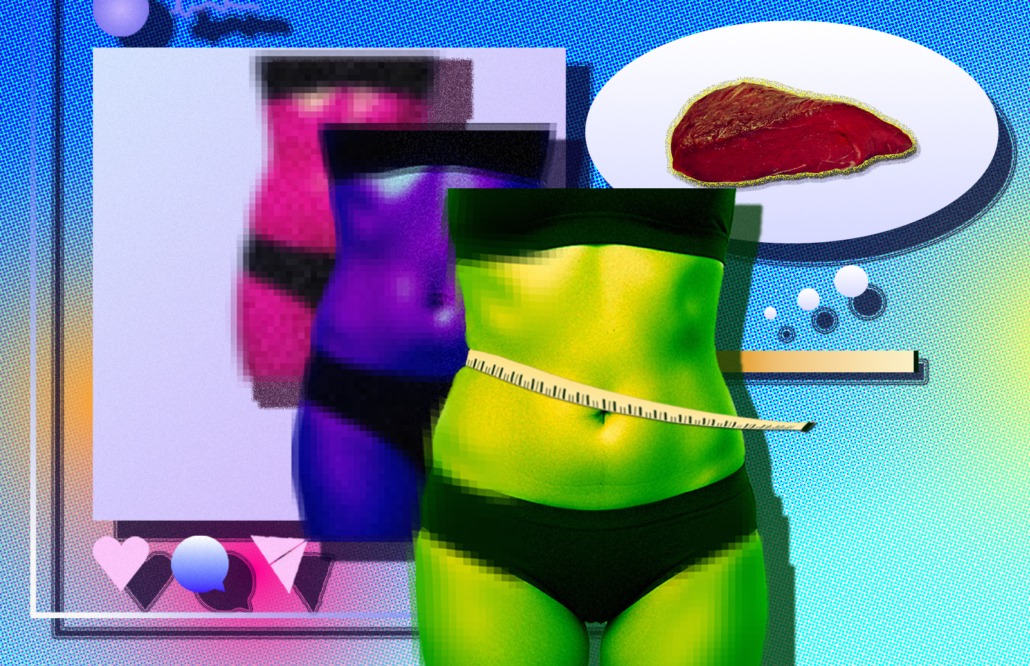

College is where we set the habits that will follow us for decades of healthy living.
Los Angeles can sometimes feel like an alternate universe of model-skinny women and Mr. Olympia-sized men, which makes for great eye candy at the expense of standardizing a specific desirable body type. These norms place an emphasis on maximizing appearance rather than what should be our true focus — health.
When I’m at my gym of choice — USC’s own Village Fitness Center — interspersed between my blaring music, I often hear background chatter between other students about their fitness goals, which commonly end up being what they can do to be more slender, more muscular, more attractive. More: because looking the way they do right now isn’t enough.
I am occasionally privy to that mentality too, shame and envy sparking when I see someone who looks how I wish I looked. Though, when I think further about what I would need to do to achieve and maintain a particular build, I realize I much prefer the moderately disciplined lifestyle I’ve already built over a restrictive one that requires me to be in the gym for hours.
I don’t think it is any secret that Generation Z’s obsessive screen time and social media usage contributes to an underlying theme of body image insecurities and unhealthy eating habits.
Certainly, it doesn’t make it better that we live in a city where only 21.5% of people work blue collar jobs, according to 2024 research by the Bureau of Labor Statistics. Thus, the 78.5% of L.A. residents that work office jobs to high profile entertainment can view the body as an accessory to be modified according to the latest trends rather than a tool to earn a living.
However, body image can be a double-edged sword. On one hand, obsessing over looking a certain way puts significant stress on the mind and is potentially damaging to the body. On the other hand, body positivity to a fault, no matter how medically over or underweight one may be, places too much emphasis on mental health and puts physical health as a dangerously low priority.
Being underweight now can result in osteoporosis and infertility later in life just as easily as being overweight may lead to diabetes and being overly muscular can lead to heart disease. True danger lies in the extremes — where self-injecting gray market peptides to maximize short-term muscle growth seems like a better option than recognizing that the average male body isn’t meant to look like Arnold Schwarzenegger in his prime. It isn’t.
If the old-school bodybuilder drugs — namely, anabolic steroids — were already bad with their extensive links to early onset heart attacks and strokes, then the new market drugs have taken “here for a good time, not a long time” to the next level.
In addition to the FDA-banned peptide injections, at-home NAD+ IV infusions and rapamycin supplements have hit social media spheres with heavy endorsement from bodybuilders and Silicon Valley tech personalities who market them as miracle drugs to their impressionable audiences without knowing the dangers of an incorrect dosage: immune system suppression, liver toxicity and proliferation of developed cancer cells.
Gambling your long-term health for bigger biceps and a few extra years of taut skin isn’t worth the risk of a premature death. Especially since those outcomes are entirely attainable by taking care of yourself, proper discipline and sustainable living habits — all of which are developed in college and will follow you for decades.
College is, famously, not exactly the healthiest time of our lives considering the mental health challenges, poor sleep and substance usage that many students engage in. However, emerging adulthood — age 18 to 25 — is a critical period to build habits of regular exercise, generally healthy eating, limited smoking and limited alcohol consumption to carry yourself through life.
If you can’t sustain a habit — whether it be daily cardio that is impractical given your schedule or a harmful meal plan of straight beef and energy drinks to fuel hours of weightlifting — then you need to reevaluate your health goals to fit with a realistic long-term lifestyle that can adapt as you find your footing in life.
I’d rather live a full life of moderate discipline over a partial one of obsessing over looking as young and fit as possible or that lasts a few years longer but requires gray-market immortality potions. Health looks different for everyone, but it should always be prioritized over physical appearance.