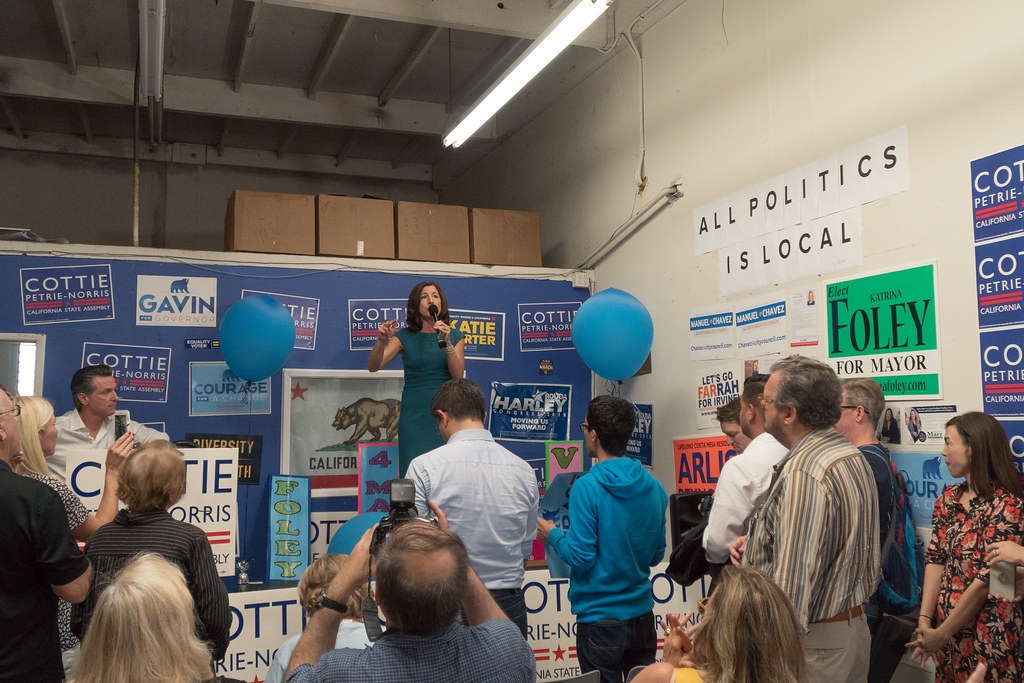
California’s upcoming open primary on June 2 is crowded and contentious. At the time of writing, 10 candidates are still vying for the state’s governor seat, and 14 candidates are competing to become Los Angeles’ mayor, while a myriad of other positions from the federal to local level are all up for grabs.
Ad campaigns, fundraising efforts and canvassing missions have all ramped up in anticipation for the election. The stakes for the most-populated state in the United States and the second-most-populated city in the country are clear, with residents expressing concern over high housing and grocery costs, United States Immigration and Customs Enforcement raids across the state, gas prices at an all-time high amid the ongoing conflict in Iran, and a variety of other issues.
Many Californians find themselves frustrated with a government that feels both distant and ineffective. In such a packed race with the trajectory of millions at stake, Californians and Angelenos must take it upon themselves to seize the political moment for themselves.
Daily headlines, sent straight to your inbox.
Subscribe to our newsletter to keep up with the latest at and around USC.
As the election date approaches, Angelenos who want change should take note of the recent political shakeup that happened in New York City last year.
The story of Zohran Mamdani’s rise to prominence is as well documented as it is celebrated. In a dramatic, nationally aired showdown, the 34-year-old Democratic socialist, a former member of the New York State Assembly, defeated the well-established Democratic former New York Gov. Andrew Cuomo and the Republican candidate Curtis Sliwa in the highly contentious and heated mayoral race in the most-populated city in the U.S.
Mamdani, with a platform focused largely on affordability, formed a diverse coalition of motivated New Yorkers that won him the seat of mayor in one of the most important cities in the world. His election saw a historic amount of voter turnout, with over a million votes cast in the primary and over 2 million total votes cast in the mayoral election.
The mayor’s ascension to national fame did not start with such scale. Mamdani started off with a small grassroots campaign with a modest team and promotion largely based in social media campaigning and volunteer canvassing work. In just under a year, though, his initially humble team grew into a network of over 100,000 energized volunteers by 2025.
Mamdani’s team broke records, with over 3 million doors knocked and over 4 million calls made during the campaign. Mamdani went from a largely unknown public servant to an unprecedented political superstar in large part due to his army of canvassers.
Seldom discussed, though, is the story or the impact of these campaign volunteers. Students, unions, immigrants, business owners and community organizations all mobilized in support of the politician and his mission.
This type of success isn’t limited to New York and can be seen in similar campaigns in the past, like former President Barack Obama’s primary campaign in 2008 or the civil rights movement with Freedom Summer in 1964, which both utilized mass mobilization of volunteers, largely young students, to persuade voters and to register them to vote. The former effort ultimately contributed to the election of the first Black man to the presidency, and the latter garnered support for the Civil Rights Movement in the ’60s.
Research shows that canvassing efforts like personal contact and calls raise the probability of voter participation and have the capacity to significantly sway opinions, mainly in local elections or in elections where candidates hold less familiarity.
These historical national movements and achievements began in small communities. In the upcoming election, Los Angeles has the opportunity to seize that power and the ability to use it for real change.
It was groups of ordinary Americans who fought for civil rights, who championed the first Indian and first Muslim to the mayor’s seat in America’s largest city and who worked to get the first Black man to the highest seat in the country. The extraordinary results of these efforts came from the organization of ordinary people who wanted change; it showed that the efforts of small communities and local groups can make a difference, and that a community that’s engaged can make history.
“Doing the basics of voting and being actively engaged in your local elections. … It’s as simple as that. People just need to be involved,” said Johnathan Garza, field director for the Sara Hernandez for State Senate campaign and former House committee staffer, in an interview with the Daily Trojan.
Change starts at the local level; it starts with handing out flyers in Long Beach, knocking on doors in Eagle Rock, fundraising at restaurants in Silverlake and showing up to the ballot box on election day.
Change in Los Angeles starts with you. Be there.