CHRONICALLY ONLINE
The book is better, but this isn’t the book
Adapting a book to the screen always means change, but that change can vary in quality.
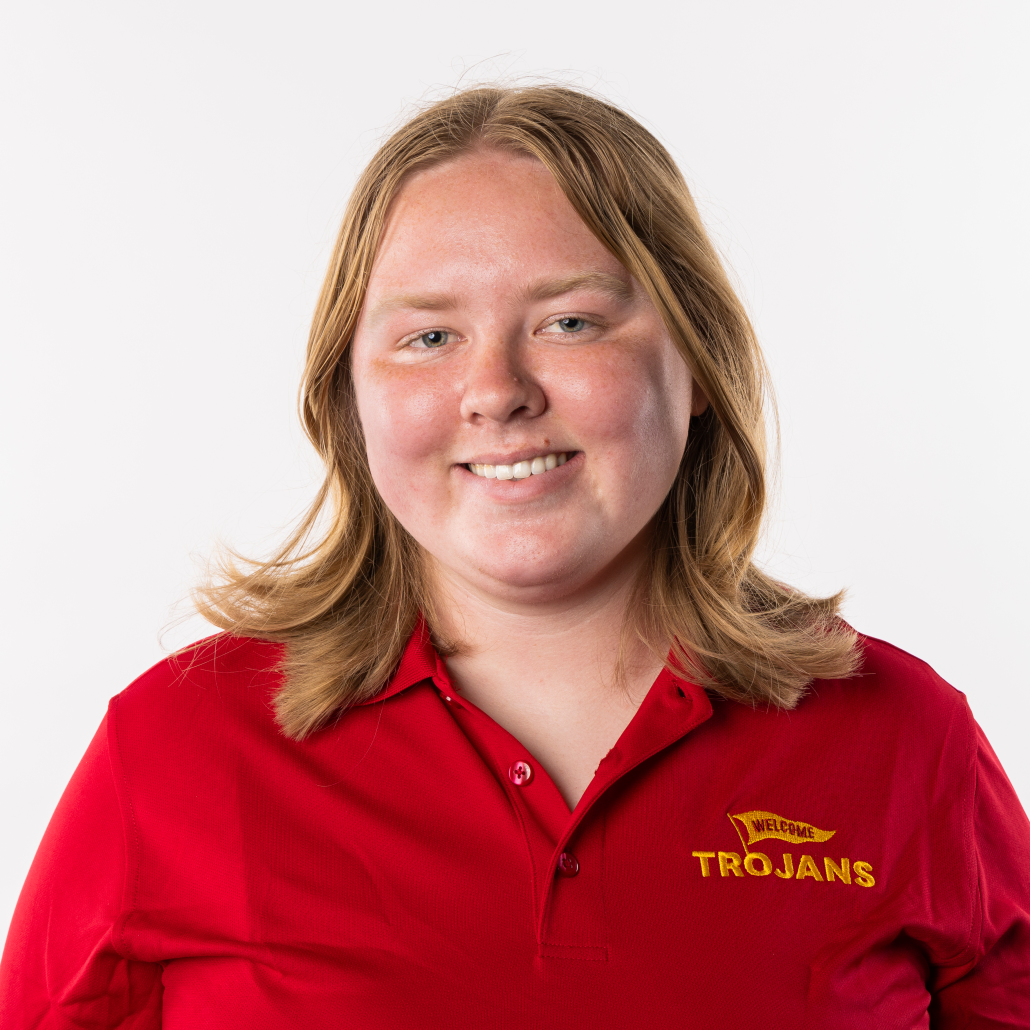
By ANNA JORDAN


Adapting a book to the screen always means change, but that change can vary in quality.
In my house, we had a few rules about the media we could consume growing up. One that my parents didn’t play about? If there was a book behind a movie, we had to read it if we wanted to see the film.
They were unwavering. Every dystopian movie adapted from a young adult novel — “The Hunger Games” (2012), “Divergent” (2014), even the lesser-known “City of Ember” (2008) — is in my bibliographic repertoire.
It was a policy that felt slightly tedious at first, but as someone who now centers their life around the written word, it’s fostered a crippling addiction to a phrase only the elite get to wield: “But have you read the book?”
And yet, those words are evergreen. Every single awards season cycle has at least one film adapted from a novel or a book: for this year, it was “Hamnet” (2025) and “One Battle After Another” (2025). Prestigious award darlings, blockbusters, indie films and TV shows alike, any area of the visual storytelling world is supplemented by literature, and for good reason.
By nature, books house in-depth explorations of plots and characters that offer relief from the heavy lifting of composing a screenplay for television or the big screen through set building and cinematography. But as a result, adaptations to the screen can feel lacking.
Films and, to a lesser extent, television series, don’t have an infinite number of pages to explore plot, characters and atmosphere. But to be constructively critical about how adaptations operate on the screen, we have to sift through what irks us about adaptations of our favorite books — is the adaptation truly unfaithful to its source material, or do we simply don’t like change? Because, in reality, there is a difference.
A lack of loyalty to the source material can span from minor tweaks to abandonment: you can have the “Lord of the Rings” trilogy or “I Am Legend” (2007). Or, something in between.
Now, it’s important to reiterate: regardless of how faithful an adaptation is, there will always be change. It’s an adaptation, not a translation. Message fits the medium, and what a book can do is fundamentally different from what a film can do.
But if a change is for the convenience of visual storytelling, like the ease and speed with which Rocky and Ryland Grace befriend each other in “Project Hail Mary,” it’s merely an insignificant casualty of the lossy compression of page to screen. Don’t panic, the heart of the novel is intact.
Now, if we’re talking about remaining faithful to the heart of a novel, the latest trailer for HBO’s upcoming “Harry Potter” television adaptation has me frightened.
The tone is strangely dark, with the coloration offering a washed-out, distinctly unmagical visual approach to the whimsical wizarding world. The childish wonder, especially on display in the series’ first few installments, is seemingly sacrificed to a retroactive jadedness held by the novels’ initial audience, as opposed to who the hypothetical target audience of the show is — children.
However, the showrunners of “Harry Potter” did attempt to do what an adaptation like “Bridgerton” has been nailing, which is to reflect the diversity of the real world in its casting. They were not as successful.
“Bridgerton” is a ridiculous, campy take on Regency-era London with suspended disbelief up the wazoo. It’s been four seasons now, and each season, they’ve made the members of the Ton more and more diverse while pulling lightly from the original novel’s overall structure.
Though the episodes are not the most faithful adaptations plot-wise, they maintain the novel’s soapy salaciousness while making plots relevant to modern viewers, with their next season teasing the show’s first-ever queer love story between women. Though the novels originally had Francesca Bridgerton end up in the arms of a man, viewers will be on the edge of their seats waiting to see how the show handles a queer plotline, and I personally can’t wait.
“Harry Potter,” on the other hand, thought they ate by casting a Black actor to play the famously antagonistic Professor Severus Snape. This egregious casting is not the fault of the actor, Paapa Essiedu, who is an incredibly talented artist in his own right, but it is concerning.
This casting shows a lack of critical thought from the showrunners, who looked at Snape — a character who is inexplicably hostile toward the protagonist the entire series and is accused of multiple atrocities — and thought he was the answer to the lack of diversity in the original novels and films. The only Black man in the main cast being a villain is not the serve you think it is, HBO.
When we chafe at changes in adaptations, it’s natural. We’ve grown fond of the original story, and to see it even a little different can be jarring. But an adaptation forsaking its source material is not the same as an adaptation making changes that supplement the original. Adding diversity with a critical eye won’t ruin an adaptation, but forgetting what lesson a story is trying to impart will.
Dearest gentle reader, don’t be afraid of the change. Question it, certainly, but accept that adaptation often means change, and in the best of cases, evolution.
Anna Jordan is a junior writing about pop culture controversies in her column, “Chronically Online,” which runs every other Thursday. She is also Chief Copy Editor at the Daily Trojan.