‘Tomodachi Life’ sequel is a quirky dream
Nintendo’s latest release is a blast after over a decade since the original’s release.
4.5
For fans of:
“The Sims 4,” “Animal Crossing: New Horizons”
By ADEN MAX JUAREZ
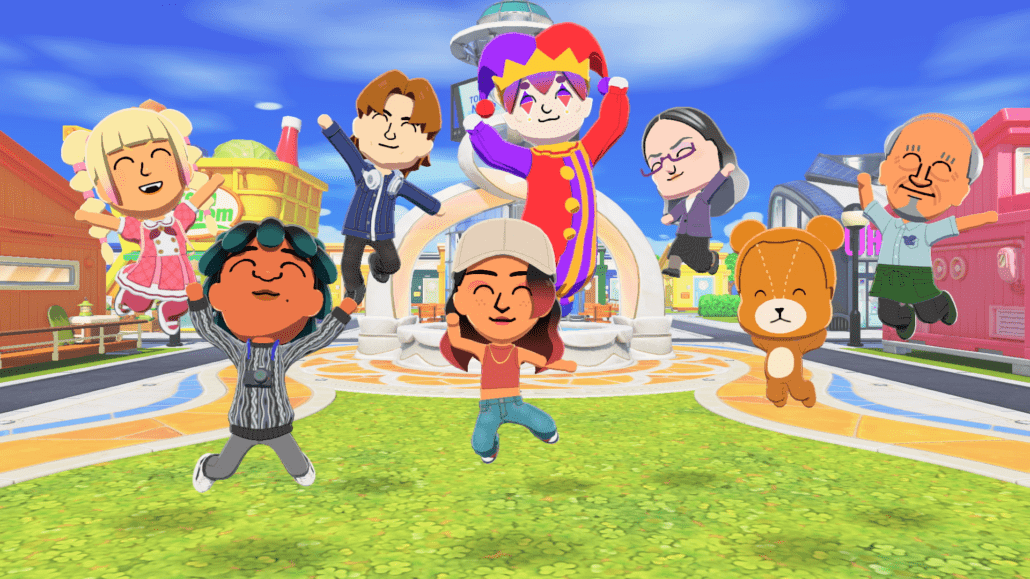

Nintendo’s latest release is a blast after over a decade since the original’s release.
4.5
“The Sims 4,” “Animal Crossing: New Horizons”
Chaotic, silly and endlessly addicting, Nintendo’s “Tomodachi Life: Living the Dream” is a perfect marriage of the best aspects of the original game with the building and customization features that Nintendo has perfected through recent titles like “Animal Crossing: New Horizons” and “Pokémon Pokopia.”
Following the day-to-day island lives of Mii characters modeled after anyone imaginable, players solve islanders’ problems, build relationships and design the island of their dreams.
The game gives players an abundance of customization options, from designing the Mii characters to arranging their houses to cooking up custom food items, making every island experience unique.
hatred seems extremely real.
The game is compatible with the Nintendo Switch and the Nintendo Switch 2 and utilizes their touchscreen capabilities more regularly than other main franchise series — the full potential of the touchscreen still isn’t realized, as the majority of the game uses just the controllers. The inability to use the Joy-Con 2 controllers as mice is also a missed opportunity to make gameplay more dynamic on the new console.
Mii characters first debuted in 2006 with the Nintendo Wii, and while “Tomodachi Life: Living the Dream” boasts a large catalogue of facial features for the islanders, including a variety of different hairstyles and hair textures, their rudimentary, playful design remains an anchor.
Players can also designate Mii characters as male, female or non-binary and also select which of the genders the characters are attracted to, allowing for same-sex relationships for the first time. Another new feature for Mii characters is their ability to don face paint, making every character a blank canvas for players’ imagination.
Additionally, characters can now be assigned as relatives, disabling them from becoming romantically interested in their family members. This update solves an issue with the original 2013 Nintendo 3DS game, which didn’t allow players to indicate if characters they made were intended to be related, often leading to unintended romantic relationships.
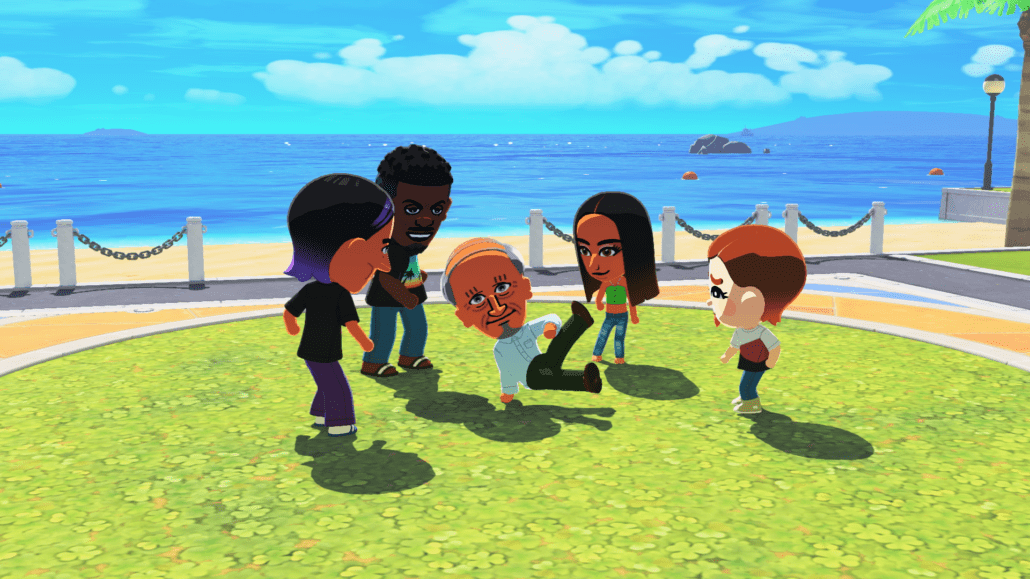
Unfortunately, Nintendo restricted sharing custom Mii characters as well as sharing images, videos and other designs using the Switch. As Mii characters were easily shared on the original game through QR codes, this has limited the enjoyment of seasoned players.
The interactions and cutscenes that are automatic or player-initiated are plentiful and full of whimsy, particularly when the cutscenes implement custom phrases and objects. Chaos is bound to ensue as players have limited control over which characters might crush on or start fights with each other, making any playthrough reminiscent of a season of “Big Brother.”
However, irritating recurring cutscenes occur when Mii characters are in trouble. Only three different cutscenes can be triggered when this happens: a Mii has fallen over, is frozen in place or has the hiccups. While the scenes are amusing once, they get annoyingly repetitive after playing for a couple of hours.
As players take care of their Mii characters by answering their requests and helping them make friends, the characters can level up and receive items that trigger new hobbies, custom expressions and little quirks. Quirks are a great addition to the game that add personality to each character by giving them different mannerisms and behaviors, like floating instead of walking or having big appetites.
Island residents also sometimes want to play games with the player, which will trigger a minigame. The minigames are quite simple and winsome for the most part, and range from bowling using Mii characters as pins to flipping a coin.
Even though the game is a significant improvement from the original, players are limited to only 70 Mii characters for their island, a decrease from 100. While interactions between Mii characters are more entertaining and complex than in the previous game, the character limit puts unnecessary pressure on players to be selective about who to add to their island, especially as there isn’t the option to create another save file or island on the same account.
Beyond character customization, every inch of the player’s island can be easily customized with an intuitive “Island Builder” mode. This feature does come with limits, however, like only allowing for two elevation levels and a handful of buildings that characters can interact with aside from their homes.
Still, the various ground patterns and outdoor decorations create a more dynamic experience than the game’s predecessor allowed. As players add more Mii characters, the boundaries of their island will also expand, encouraging the addition of fresh faces every day.
With seemingly limitless possibilities for what could happen, “Tomodachi Life: Living the Dream” is immensely charming and cheeky with cartoonish quirkiness and delightful mischief tailored to each player. While the game has room for improvement, it is easily one of the best life-simulation games ever created.