‘Michael’ entertains, but isn’t a thriller
The long-awaited biopic is a fun, but shallow re-telling of music’s most iconic star.
3
For fans of:
“Elvis” (2022), “A Complete Unknown” (2024)
By KAILEN HICKS

The long-awaited biopic is a fun, but shallow re-telling of music’s most iconic star.
3
“Elvis” (2022), “A Complete Unknown” (2024)
Ambition has come at a price for many of history’s most extraordinary entertainers, including the “King of Pop,” Michael Jackson.
This same mantra, one that warns of the dangers of biting off more than one can chew, is also the downfall of the long-anticipated “Michael” biopic.
It’s an extravagant mess. Spanning from Michael’s time in the Jackson 5 to the beginning of his “Bad” world tour, the film tries to condense years of Michael’s life into just two hours and fails — though not miserably. It turns the story of one of music’s most complex superstars into a film that lacks any iota of depth.
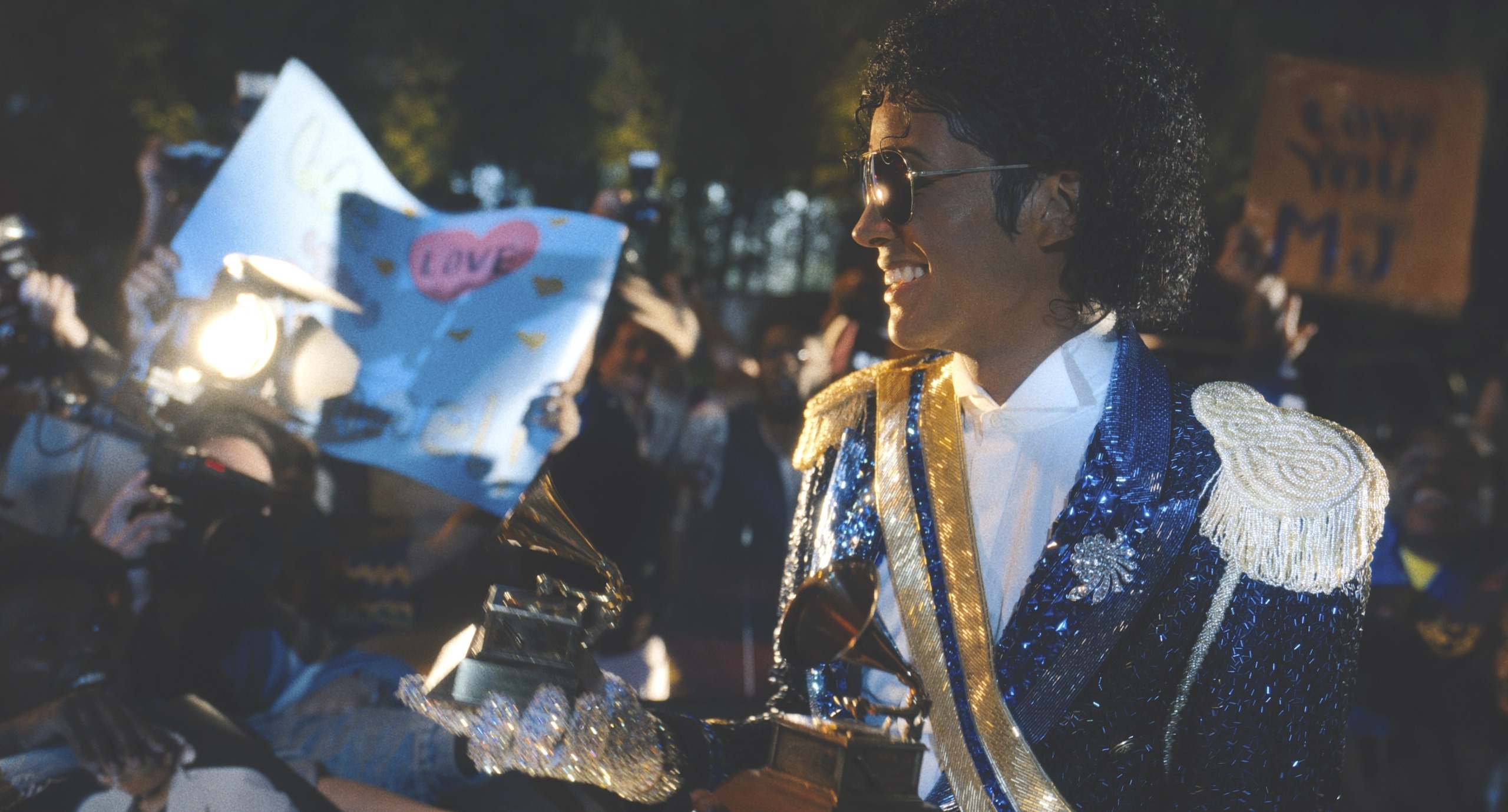
Though the overarching plot feels offensively shallow, one thing that “Michael” gets right is the depiction of its characters. The primary conflict that the film nails is between Michael (Jaafar Jackson) and his notoriously abusive father, Joe Jackson (Colman Domingo).
The Jackson family had a significant influence on the content of the film, so it is possible that they watered down elements of the family’s life to skew the final product. But “Michael” doesn’t shy away from the fact that Joe Jackson was oftentimes a monster to his sons.
His ruthlessness is on full display: He’s shown beating his five-year-old son for making minor mistakes in his performances, and relentlessly overworking him, instilling a sense of fear in Michael. The film shows audiences how he helped make Michael a star, but it also spotlights the traumatic disciplinary methods that contributed to Michael’s stunted social development.
The biopic does a good job of showing Michael in his entirety — his musical genius and compassion, but also his atypical eccentricities.
Scenes of him nailing dance moves as a child, working late nights to nail concepts for “Thriller” and pledging to pay for medical expenses of the individuals he shared a hospital with following the 1984 Pepsi accident show the “King of Pop” at his artistic and humanitarian peak. But they’re also complemented by scenes that show a contrast between megastardom and his childish behavior.
We see the world’s hottest artist in and out of plastic surgery, begging his adult brothers to play games of Twister with him and adopting a pet monkey. The film creates an image of Michael that feels both ethereal and infantile.
However, while “Michael” thrives in its portrayal of its characters, the film struggles with pacing, as it fails to balance the many different time periods of Michael’s life. There are a plethora of important aspects of Michael’s life that the film glosses over without substantive explanation. It leaves the film feeling like a montage as opposed to a thoughtful narrative.
The biopic glosses over some of Michael’s greatest triumphs, and censorship overlooks some of the most important touchpoints of his life. A source from Variety stated that the entire third act of the movie, including sequences showing police investigations of Neverland Ranch, was cut due to a censorship clause in Michael’s settlement with his 1993 accuser — Jordan Chandler. This means scenes from Michael’s 1993 child molestation accusations were left out entirely.
Coverage of his time in Jackson 5 feels surface-level, abruptly jumping nearly 10 years to Michael’s adult life. The story of Michael’s early adult success feels rushed, and frankly, inaccurate. It brands his entire character arc around “Off the Wall” as being Michael’s first solo album away from his brothers, something that simply isn’t true — it was his first successful solo album, and first with Epic Records, but his fifth overall.
The film also misses the many-layered complexities and challenges that Michael endured. The film portrays “Off the Wall” as being the project that elevated him to a widely accepted cultural status outside of a primary Black audience. But that isn’t entirely true, as it wasn’t until much later that Jackson received true recognition at awards shows from his peers or was afforded the same broadcast opportunities on television as his white contemporaries.
Much of the motivation for “Thriller” came from roadblocks that Michael faced during the production of “Off the Wall,” but the film neglects these conflicts entirely, or criminally streamlines them — such as the moment he becomes the first Black artist to achieve consistency on MTV being relegated to a singular meeting.
“Michael” falls short because it bites off more than it can chew. A director could make an entire movie of nearly every single era they cover in this one film. It felt like it would’ve served better as a longer docuseries as opposed to just a two-hour movie.
It isn’t necessarily a bad biopic, and has enough character, visual appeal and musical energy to entertain audiences. Jaafar embodies Michael — it’ll be hard to not catch yourself bopping your head to recreations of spectacles that are the “Off the Wall” studio sessions, “Beat It” music video and “Victory” tour concert performances. However, the film feels aggressively hollow. It’s a format that could be fitting for an ordinary star — but not the king.