The gender isolation issue is growing
South Korea, anti-feminists and the polarizing gap that will define Generation Z.
By JACOB STRAND
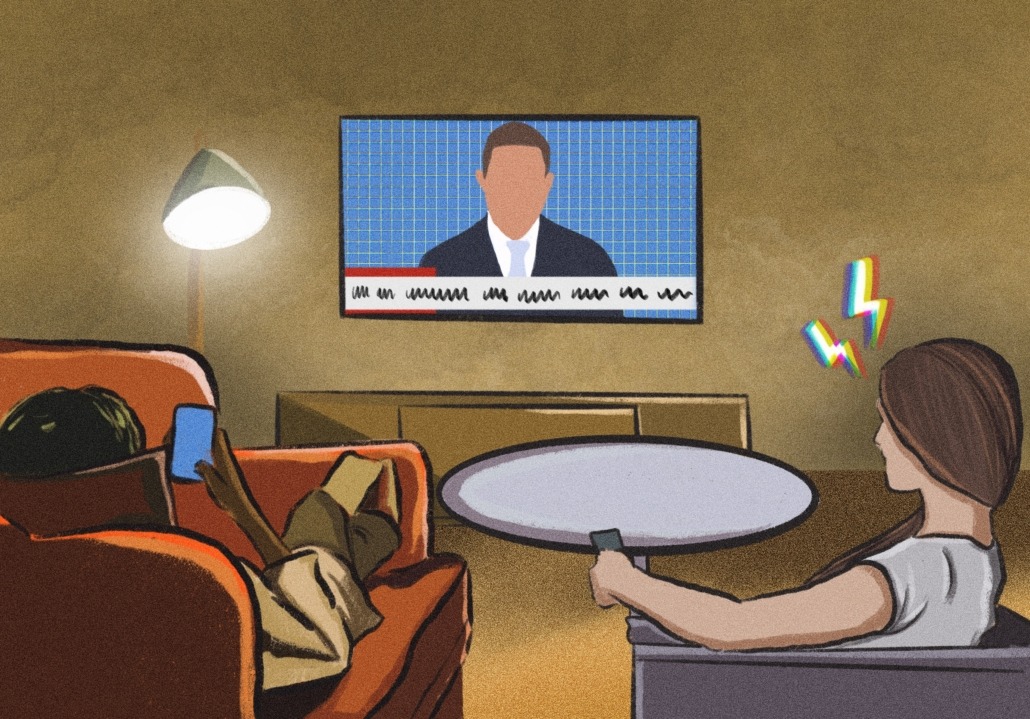

South Korea, anti-feminists and the polarizing gap that will define Generation Z.
From a crushing job market to stagnating wages to a worsening epidemic of loneliness and depression, Generation Z is navigating an era defined by a loss of confidence in the future.
Coinciding with all these debilitating issues, though, is the rise of a trend that threatens to exacerbate these problems and to upend society as we know it: Young men and women are being driven apart. Nowhere is this cultural tipping point more visible than in South Korea.
Politically, the small East Asian nation is both exceedingly and exceptionally divided. While Korean women have remained generally left-leaning politically, in recent years, young Korean men have turned en masse to the political right. Young men in 2022 voted heavily in favor of the former president Yoon Suk Yeol, a conservative who vocally declared himself an “anti-feminist,” exemplifying an increasingly polarized ideological landscape where gender is the dividing line.
These patterns are not isolated to South Korea. In the United States, polling shows that women and men are further apart politically than they’ve ever been since the polling from Gallup began in 1999, with trends indicating that polarization is only continuing to deepen. These shifts are most dramatic among Gen Z, where political polarization between genders is not only the most extreme but also more vocal.
A September 2025 report from NBC showed a striking 21-point difference in President Donald Trump’s approval rating between men and women between the ages of 18 to 29, with women far less likely to approve than men. Additionally, by significant margins, men view the current administration more favorably than women on critical issues such as immigration, trade and inflation, diverging 20 points overall.
Furthermore, polling also indicates that Gen Z is increasingly split on cultural and social issues. Declining support for gender equality and feminism has been observed among men, and a staggeringly low 32% of all Gen Z men identify as feminist, according to a study by Ipsos U.K. and the Global Institute for Women’s Leadership at King’s College London.
South Korea’s fertility rate sits at 0.75 children per couple, the lowest in the world. At the same time, marriage rates have also been on the decline, more than halving from a peak of 434,900 marriages in 1996 to a low of 193,700 marriages in 2023, according to The Korea Herald. An aging population paired with social isolation has only exacerbated the problems South Korea is presented with.
Like South Korea, the U.S. is also seeing diminishing rates of dating and marriage, alongside reports of high rates of loneliness and depression, according to a 2023 Gallup poll.
These indicators are contributing to an overall rise in political populism and extremism in the U.S., which is embodied through the popularity of vocally anti-feminist figures like Nick Fuentes and the growing “Groyper” community, an online male incel group that follows Fuentes.
Fuentes, a far-right streamer whose clips garner millions of views on YouTube, has openly called women the “number one political enemy in America” and has been an outspoken opponent of women’s rights. But he’s still popular.
Characters like Fuentes have brought acute anti-feminism and other extreme political views into the mainstream consciousness in America. The normalization of online misogyny has contributed to rhetoric that dismisses women’s voices and fosters gender-based violence.
As seen in both the U.S. and South Korea, the widening gender gap and heightening gender polarization are both a consequence and a cause of the economic and social pressures that Gen Z is facing.
At its core, young people are scared and frustrated. Men and women find themselves united in a loss of confidence in the future. This uniting fact, though, is being manipulated and used to only stoke more anxiety and anger by figures like Fuentes.
The rise in political polarization, extremism and the widening gender divide stems from real concerns. The issues at hand, though, aren’t solved by hate. In reality, the more we blame each other, the more isolated we make ourselves and the worse our problems will get.
Neither gender is to blame for the challenges the world is facing, but the gender divide threatens to upend society and culture. To confront this unpredictable and daunting future, we need to do it together. We need to foster civil discourse and view our problems as ones to be solved collectively rather than passing blame around.