Plastic surgery silences women
Weight loss drugs and plastic surgery are tools of rising body fascism.
By CHARLOTTE DEKLE
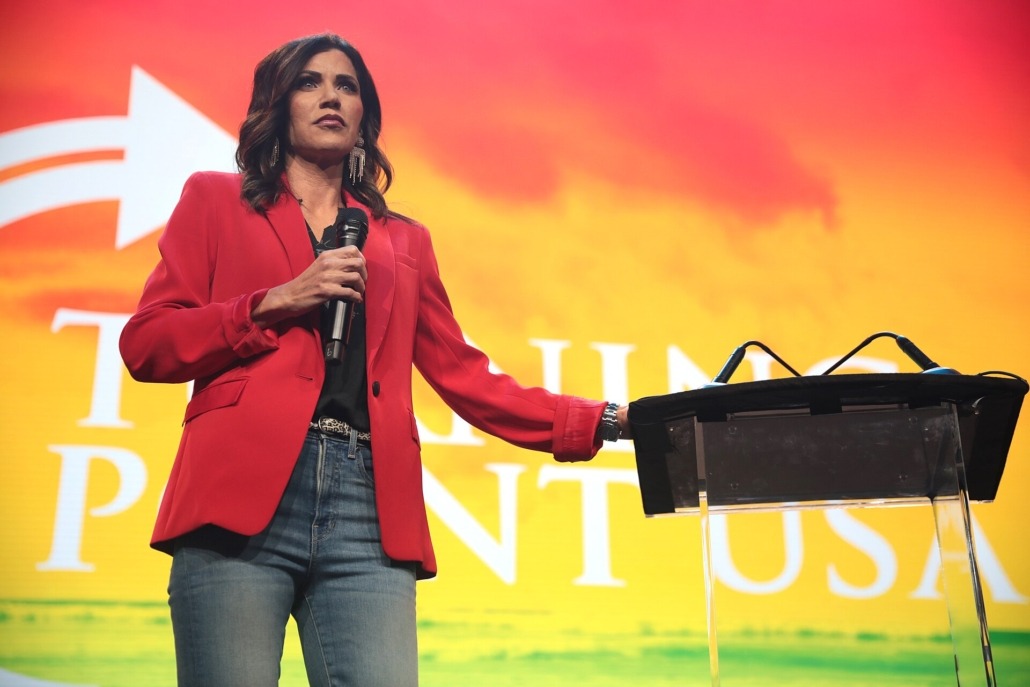

Weight loss drugs and plastic surgery are tools of rising body fascism.
Women’s bodies are changing. On television, on the red carpet, in advertisements — women are starting to look different. Or rather, they’re all starting to look the same.
Gone are the days of accepting women the way they look; now “natural” includes Botox and Ozempic.
This is part of the fascist playbook. It is about controlling women’s bodies.
It is a documented phenomenon that fascistic and white supremacist leaders propagate thinness as the ideal body type. This is called body fascism.
There is a conversation to be had about the correlation between weight and health. But when four-time Olympic gold medalist and 23-time Grand Slam champion Serena Williams starts peddling GLP-1s, a drug that regulates blood sugar and appetite — her husband is an investor in Ro, the drug she advertises — it does lead one to question the extent to which the conversation is actually about health.
To start, generally, one should not comment on women’s bodies. Women will be and have been critiqued if they are too large, too small or any size at all. But while we should remain aware of this, it should not be used as a cop-out to avoid discussions about what is causing many women to turn to weight loss drugs and plastic surgery.
This is not criticizing individual women and their bodies. It is a critique of a society that is becoming increasingly hostile to women’s autonomy and freedom.
The control is not just reproductive or legal; it’s social control that conditions women into taking up less space. Women must conform to these social expectations; they become so thin, they disappear. Authoritarian regimes require physical submission.
This kind of body fascism is even more insidious with cosmetic surgery. To preface, it is important to define what is within this scope of anti-feminist plastic surgery by showing what is not included. Gender-affirming care, reconstructive surgery, breast cancer-related mastectomies or other medically necessitated procedures are not within the scope of this argument.
Some may argue that non-medically necessary cosmetic surgery can be couched under “gender-affirming care,” but here’s the distinction: gender dysphoria has been linked to increased suicidal ideation.
Plastic surgery is removing women’s abilities to express themselves. One of the most common plastic surgeries in 2025 was facial rejuvenation, according to Vogue. This trend reveals the constant push for women to look younger. As women age, their social standing decreases. For governments relying on the maintenance of a social order, women of reproductive age are preferable.
But beyond ageism, there is a more deceptively harmful aspect to facial plastic surgery. Cosmetic procedures that remove frown lines, for instance, limit the physical ability to indicate displeasure. The same goes for facelifts that remove smile lines. Individuals who receive plastic surgery, such as Botox, cannot express as much as they used to.
Their faces become frozen in a particular, relatively neutral expression, unable to achieve emotional highs and lows. It is a face of constant moderation. One cannot fully express their joy or anger in these states. When voices are taken away, one must rely on facial expressions.
If these are hampered, there is a stark reduction in the ways we can communicate. Actress Amanda Seyfried admitted to stopping Botox treatment when she needed to be more visibly expressive. Fascism does not want women to express themselves.
Similar to weight loss drugs, cosmetic surgery also leads to homogenization. The physical submission discussed with GLP-1s is in full force here. We see this trend acutely within MAGA women and “Mar-a-Lago face.” Possibly to show their allegiance to President Donald Trump, these women undergo multiple cosmetic surgeries to portray an outrageous version of womanhood — excessive filler, unnaturally smooth skin, like a human Barbie doll — that is, at its core, fake.
Social standards have always catered to a Western ideal. Jewish people, for example, used to get rhinoplasties because, as anthropologist Robert Knox put it in 1850, “the Jewish face never can [be], and never is, perfectly beautiful.” This same idea applies to all ethnic and racial minorities who seek plastic surgery to conform to “whiteness.”
This gets to the core of the issues with this rise in plastic surgery: It upholds an archetypal standard of beauty. Anyone who falls outside of this standard is cast out as ugly and undesirable. This makes it easier to shame, demean, and control women because they are outside of the norm.
Plastic surgery begets more plastic surgery. Since people are rapidly losing weight from GLP-1s, they get plastic surgery to compensate. But then they need more plastic surgery to compensate for what is lost from the first plastic surgery. It’s a self-fulfilling prophecy that ensures women are never satisfied with how they look.
Of those who receive cosmetic surgery, more than 90% are women. This is a gendered issue. Yes, women are autonomous beings who can choose to take Ozempic or get plastic surgery. But these choices do not exist in a vacuum. They are calculated decisions that exist to make women submit to the fascist regime, grow vulnerable to the system and, slowly but surely, lose their autonomous power as individuals.