In defense of the influencer
It’s time we shake the stigma around internet stardom.
By SAWYER SUGARMAN

It’s time we shake the stigma around internet stardom.
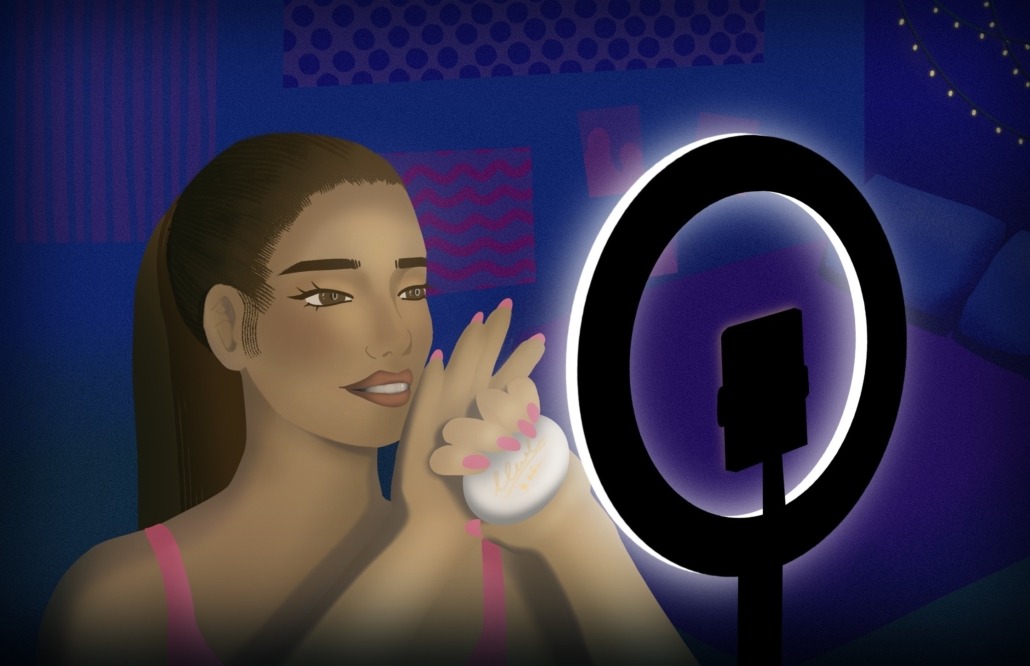
The summer before my senior year of high school, I decided that I was going to be TikTok famous. To this day, I don’t entirely understand what motivated my resolution, but it actually kind of worked. I posted consistently for about six weeks and had a number of viral efforts, mostly of me dancing by myself in my room. SZA and Tyla even liked different videos of mine.
Pretty soon, I began receiving some hate comments from strangers, but I didn’t let them faze me. I figured criticism from blank profiles was a rite of passage on my way to internet stardom. Then came the dissent in real life.
Some of my friends started making occasional off-color comments about my posting habits, most of which dug at my obvious attempts at virality. These proved harder to shake off. People whom I thought would always unequivocally support me seemed to think my TikTok run was embarrassing, a pretty disheartening truth to reckon with.
After a few weeks, I began to internalize the idea that my influencer campaign was strange and pointless, and I stopped posting altogether.
Now, whenever I see a friend or an acquaintance try their hand at content creation, I quietly admire their resolve to cast aside the stigma around posting. Recently, I’ve been wondering why an influencer-type online presence is often frowned upon.
Social media dominates today’s entertainment space; in fact, the majority of media consumption happens on our phones. Even so, there is an undeniable taboo enveloping influencer culture. Friends scoff at peers who try to make a name for themselves online, but as our algorithms become increasingly curated and demand for hyperspecific online enclaves grows, the public’s understanding of social media creation may be primed for a change.
Regarded by some as the bottom barrel of celebrity, the cultural mainstream may partially reject content creation as self-indulgent and vapid. But the global influencer economy is worth north of $250 billion, and more than 70% of United States adults consume some form of social media content, most of which is made by the “loathed influencer.”
While navigating this uncharted era of media consumption, be wary of treating professional social media as flippant. Whether you like it or not, influencers, just by virtue of their reach, have become some of the most impactful arbiters of media culture.
Admittedly, the lineage of online celebrity is rocky. The likes of James Charles, Miranda Sings, and the brothers Jake and Logan Paul came to define the infancy of influencer culture in the 2010s — a cast remembered for their scandals and irreverence.
In the following decade, less controversial but equally scorned figures like Charli D’Amelio and Addison Rae cemented the reputation of influencers as silly, entitled and less talented than traditional public figures.
The latter two, especially, spent their early online careers warding off vitriol, accusations of cringiness and the prevailing suggestion that their stature wasn’t equal to their supposedly lackluster talent. But D’Amelio’s net worth is estimated at $45 million, and Rae is a Grammy-nominated pop phenom, so I guess it doesn’t seem as cringey now.
Beyond that, social media conditions us to homogenize, to adhere to the unspoken social codes of the apps. In the case of TikTok, you can post and even go viral, but it can’t look like you’re trying too hard, at the risk of spoiling the illusion of cool indifference.
But, should social media not be a space for a diversity of personal, artistic and professional expression? And, considering its monopoly on our attention, is it really that shameful to try and monetize it?
As social media has moved to dominate our viewership, algorithms have tightened to deliver us increasingly tailored content informed by our online activity. Each of my friends follows a different cast of internet moguls, despite our general demographic similarity. This newfound expectation to consume curated content creates avenues for even more creators to produce media in their pockets.
In today’s social media economy, viral success really isn’t that long a shot. Apps like TikTok are designed to reward frequent posters and push engaging videos onto feeds. But even without huge viral success, social media can create access for people who would never have it otherwise.
Anecdotally, this type of content seems to bring about mixed reactions. While most influencer-type posters are embraced by their friends, it feels like a leap of faith to take a stab at creating a platform so publicly.
Steering away from surefire acceptability opens the door to criticism, and I’ve seen my peers jeer at a distant friend posting a reel or vlog. But who knows? Your friend brave enough to bare themself online may be a post away from a new life.