Everything to know about the upcoming financial aid changes
On July 1, the Big Beautiful Bill will change student loan and federal aid programs.
By LIZZY LIAUTAUD
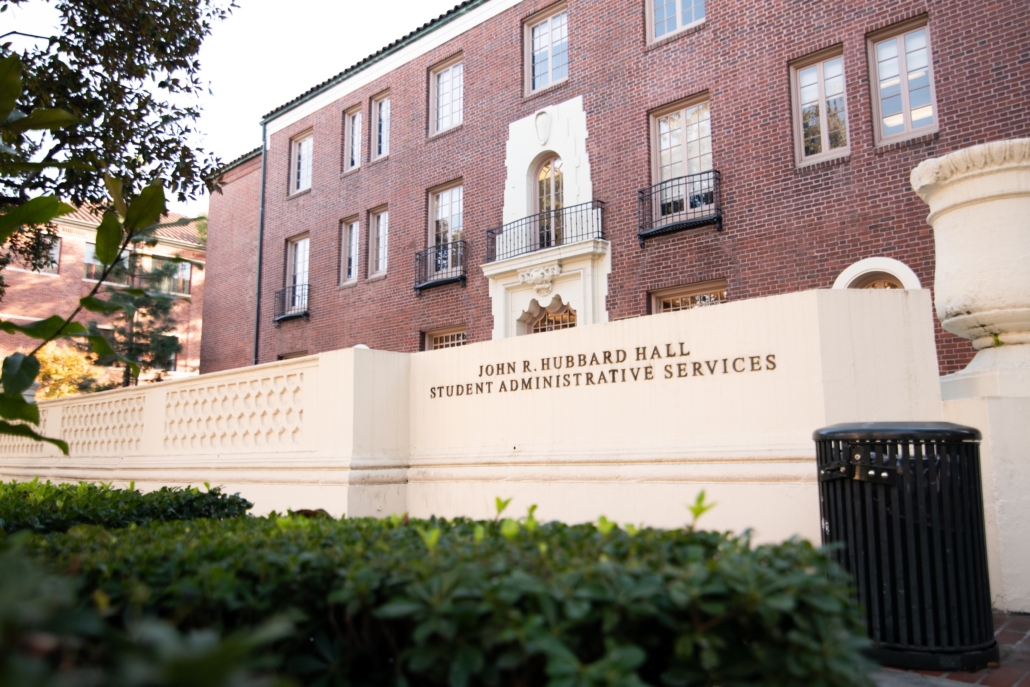

On July 1, the Big Beautiful Bill will change student loan and federal aid programs.
On July 1, changes to federal lending programs made by the One Big Beautiful Bill Act will officially begin.
In July 2025, Congress passed a massive bill slashing social safety-net programs and increasing tax cuts for major corporations and ultra-wealthy individuals. The OBBBA made over $1 trillion in cuts to Medicaid, food assistance programs and federal student aid programs.
Some of the cuts passed in the OBBBA have already gone into effect over the last year. Here is everything to know about the changes that may affect USC students.
Changes to federal lending programs
Major changes to federal repayment options and borrowing caps for some students will go into effect as a result of the cuts.
The Biden-era Saving on a Valuable Education plan, a flexible income-driven repayment plan with nearly seven million borrowers, will officially end. The Department of Education has already notified borrowers, and after July 1, they will have 90 days to choose a new repayment plan.
Along with changes to repayment plans, the OBBBA also implements new borrowing caps for graduate and professional students. The bill eliminates the Grad PLUS program, which allowed graduate students to borrow up to the cost of their program, and lowers federal loan borrowing for non-professional students to $20,500 a year with a $100,000 lifetime cap. Professional students will have a new cap of $50,000 a year with a $200,000 lifetime cap.
Undergraduate student borrowing caps will not change.
However, the Parent PLUS plan will see changes, with a new borrowing cap of $20,000 a year per student and $65,000 total — parents could previously borrow up to the entire cost of each student’s program. Additionally, new parents on the Parent PLUS plan will no longer be eligible for income-based repayment plans or loan forgiveness plans.
Who will be affected?
A banner at the top of the USC financial aid website specifically calls out that graduate and professional students may be affected by the OBBBA. New graduate student borrowers will be subject to the new loan caps, while returning borrowers who were enrolled in their program before June 30, 2026, and took out a loan for that program by July 1, 2026, are exempt.
Those exempt can continue to borrow under current limits for three years, or until they graduate.
In a statement to the Daily Trojan, the USC financial aid office clarified that undergraduate students may also be affected.
“Graduate and professional students face the most significant changes, but the bill touches undergraduate families (via Parent PLUS caps), repayment options for all borrowers, and loan eligibility for part-time students at every level,” the statement read.
Along with changes to graduate student caps, the bill will also place a $257,000 total lifetime limit across all loans for all students. This includes the combined borrowing cost of the loans taken out for undergraduate and graduate school.
University assistance
The University launched an OBBBA information page in January 2026 with updated information about the changes before they took effect. The University shared this website with schools and academic advisors, according to a statement from the financial aid office.
The information page outlines how students may be affected and answers frequently asked questions.
Along with the website, the University published a preferred lenders list to support students who may need to take out private loans. The list compiled lenders based on competitive interest rates, repayment fees and flexibility, cosigner release options and customer service to help students find their best options.
“The University has been clear that additional U.S. Department of Education guidance is still forthcoming, and students are encouraged to check the OBBBA page regularly for updates and to reach out directly with questions specific to their program or situation,” the financial aid office wrote in a statement to the Daily Trojan.
Progressive degree plans
Currently, Progressive Degree Program students who have completed less than 144 units are considered undergraduate students, allowing them to earn a master’s degree while finishing their undergraduate degree, allowing them to receive undergraduate financial aid.
Some PDP students told the Daily Trojan that the University had plans to require students to be enrolled in at least 12 units of undergraduate coursework to maintain undergraduate status and continue receiving undergraduate financial aid, as a result of federal aid changes caused by the OBBBA.
In a statement to the Daily Trojan, the University denied these claims.
“There are currently no plans to change unit enrollment requirements on July 1st. Future changes, if any, will be communicated to impacted students first and explained on the PDP website once effective,” the statement read.
Correction: A previous version of this article stated that federal loan borrowing for non-professional students would be lowered to $25,000 a year. The article was updated July 1 at 5:38 p.m. to reflect that federal loan borrowing for non-professional students would be lowered to $20,500 a year. The Daily Trojan regrets this error.