
Knight of Cups reveals personal and realistically flawed relationships
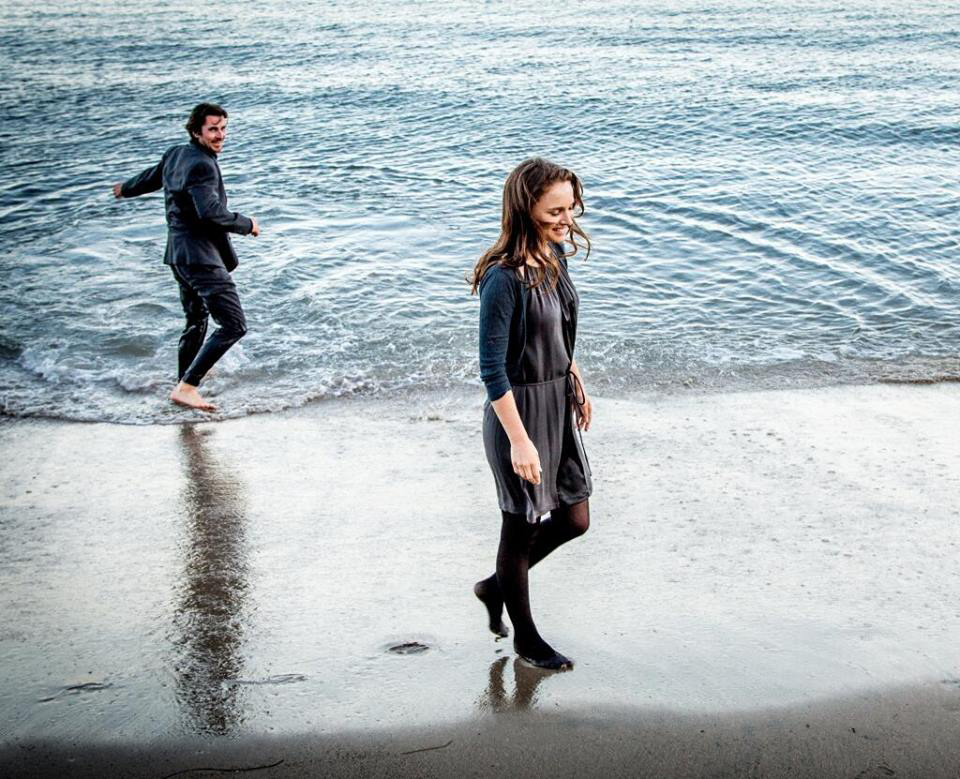
Knight of Cups, the latest film by American director Terrence Malick, is set for release on Friday. The movie began production in 2012 with a celebrated cast featuring Christian Bale and Cate Blanchett, yet little was known about the film or its content and fans were left speculating as to what sort of film it might be.
The final product debuted at the Berlin International Film festival, and audiences recognized it as a modern, experimental film. Rick (Bale) is the focus of the story as a wealthy screenwriter who suddenly feels his life has been estranged from purpose and meaning despite his success. The film flows in a series of chapters that are inspired by a particular tarot card, which play a role in the film and in its name. Each chapter focuses upon his relationship with someone important in his life, mostly women who have been romantic interests. Those cast in these roles, including Blanchett, Natalie Portman, Frieda Pinto and Isabel Lucas, have strong chemistry with Bale, whose character one must remember is lost and detached, especially considering their brief appearances.
The film’s most redeeming quality is the overarching aesthetic that coincides with the pacing of the film and Bale’s mysterious story. Malick’s efforts in capturing the scenery across Los Angeles could be an ideal montage for a tourism board — scenes take place in Hollywood, the mansions in the hills, the streets of downtown and midtown and the beaches along the coast. There are surreal and almost psychedelic sequences that turn areas of L.A. into reimagined works of art. Death Valley was the location of other shoots that cultivate Malick’s style and illustrate both Southern California and the national park’s great expanse. Perhaps to allude to a sense of emptiness and aimless adventure in Rick’s life, most scenes are shot in areas with great space and open area.
Despite this, Malick highlights the intimacy of all of Rick’s relationships with close shots that show deeper expression between the characters. Even in these scenes, the camera generally has sweeping motion and covers nearly a 360-degree perspective of the dialogue sequences. Many shots are of Bale’s character being introspective or staring off distantly while an off-screen voice of himself or another character speaking. What some may see as lacking in story or dialogue is made up for in tension, ambience and setting by Malick, whose grandiose sequences in some environments offer minimalist exchanges between characters that say much more with few words.
Without bluntly claiming it at any point, a major theme of the film is the superficiality that Hollywood propagates. Rick is a victim of this and realizes it, yet his lovers in the film vary in their awareness of how they’ve become lost. They show great differences in their interests and occupations, from being socialites to medical care for the homeless. The ones who focus on material items cause him trouble. He harmed some of his relationships by falling into the lifestyle that he now tries to escape, and as glamorous as the film is at times, Bale’s character harbors many regrets and attempts to discover himself in a way that can speak to the audience.
Knight of Cups is certainly not everyone’s cup of tea. Yet one would be hard pressed to find a movie that better exhibits and connects certain relationships and exchanges to emotions. Malick creates flawed, realistic characters representative of the culture and climate we live in, and directs their awareness and ignorance of their own emptiness coupled with their search for connection and meaning flawlessly. Indulgent and impressionistic, viewers can expect an artistic treat from this film, one of the most visually appealing in recent memory.