We should never get rid of IVF
Opposing IVF is like rejecting the basis of modern medicine.
By NICOLE ELENA FIGUEROA
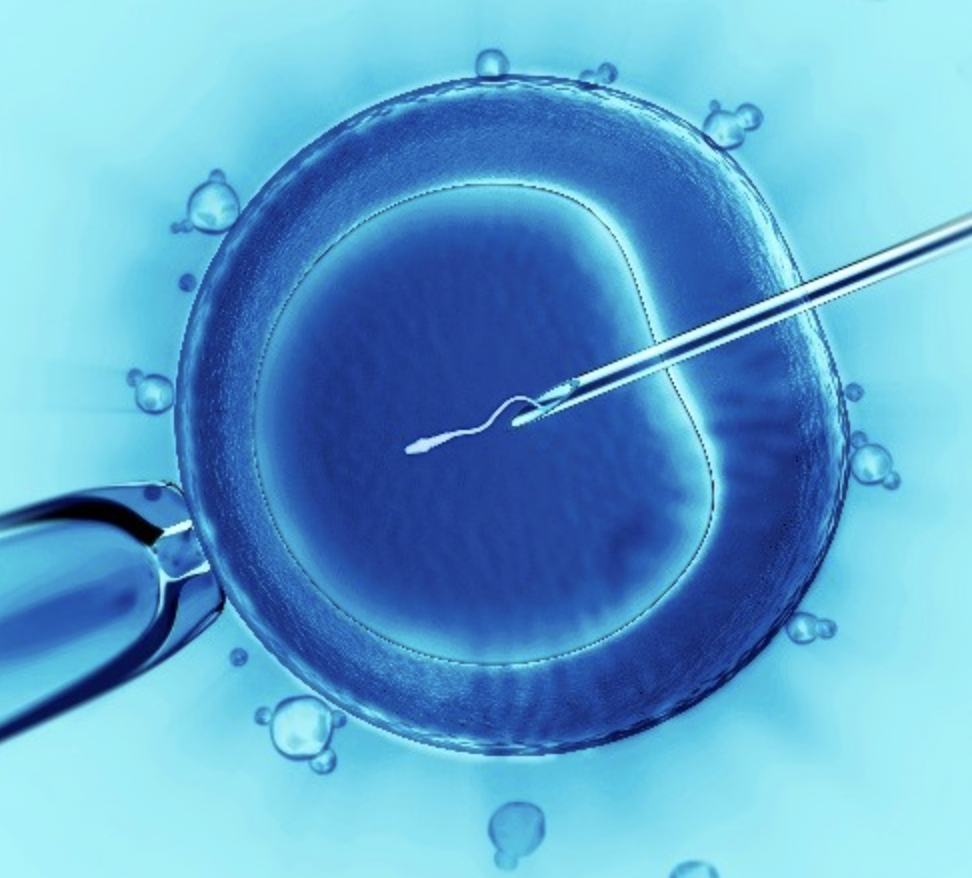

Opposing IVF is like rejecting the basis of modern medicine.
One summer day in 2006, my mother first showed her husband’s close relatives the newest members of the family: a baby boy and girl.
It was a day filled with happiness and excitement until an aunt on my father’s side professed at a family party: “I don’t know why anybody would use in vitro fertilization. If God wanted you to have a baby, your body would give you one!”
My mother stood there, shocked. “The baby you’re holding was made through IVF,” she said.
I was, in fact, the baby girl in this story: an IVF child, conceived in a petri dish. And to this day, I believe we should never get rid of this empowering medical advancement that gives people the chance to have families who wouldn’t have been able to otherwise.
Nowadays, IVF has resurfaced as a controversial topic after President Donald Trump signed an executive order last year to expand its accessibility. Conservatives and certain religious groups criticize and attack it with consistent calls for heavy regulation: Opponents claim that IVF is an insult to religion — that we’re products of neo-eugenics, that we’re something less than children born naturally.
If one truly applies the “playing God” ideology to other forms of healthcare, modern medicine would be a landmine of controversial issues. The whole point of medicine is to give people a chance — whether it’s recovery or survival. People could be facing temporary illness or permanent impairment; we still try regardless. The absurdity in the objection to IVF lies in the fact that picking and choosing who gets a chance at living their best life and who does not is in itself unethical.
Picking and choosing genes enters unethical territory. Having a child through IVF is a tool to help a mother carry a baby, but abusing it to manually create the so-called perfect child is when it starts to bear a similar resemblance to neo-eugenics.
But I’m not a product of science in a cold, cynical way; my existence — and thousands of others in California — is because scientists have spent over five decades researching and developing a way for infertile individuals or those unable to be pregnant to be granted the gift of a family.
IVF for surrogacy is also commonly used by LGBTQIA+ couples to have children that carry their genes. Restrictions, or even eliminating IVF altogether, would rip away one of the most widely used ways for many different types of people to start a family. Giving everyone the chance to have children allows people to define what family means to them, whether through single parenting or outside the traditional social model.
According to the Centers for Disease Control, one in five married women between 15 to 49 years old with no previous births struggle with infertility in the United States; the argument that they should simply leave it to the rest of the women in the world to have children is flawed.
IVF is worth protecting because it also gives women a choice: the choice to be the owner of their futures as a potential parent. The same goes for same-sex couples and others who might need IVF to achieve parenthood; to deny someone that choice is to deny them the freedom to guide their future onto the path of family and parenthood.
“It’s a tool that probably we never really want to or should get rid of, because sometimes it’s the patient’s only option to have a baby and develop a family,” said Dr. Sharrón Manuel, a reproductive endocrinologist and infertility specialist at the Keck School of Medicine.
Scientists didn’t create IVF intending to become some kind of divine creator; they did it to benefit humanity.
Perhaps IVF isn’t something to be embarrassed about or to rally against, but is instead empowering — to have a soul’s existence become possible by the hands of scientists researching for years to find a way to help someone bear a life who couldn’t before.