‘Welcome to Kittytown’ is less horror, more comedy
While predictable, the post-apocalyptic film is full of comedic banter and heartfelt acceptance.
3.5
For fans of:
“Zombieland” (2009), “The Road” (2009), “Shaun of the Dead” (2004)
By REESE SILVA
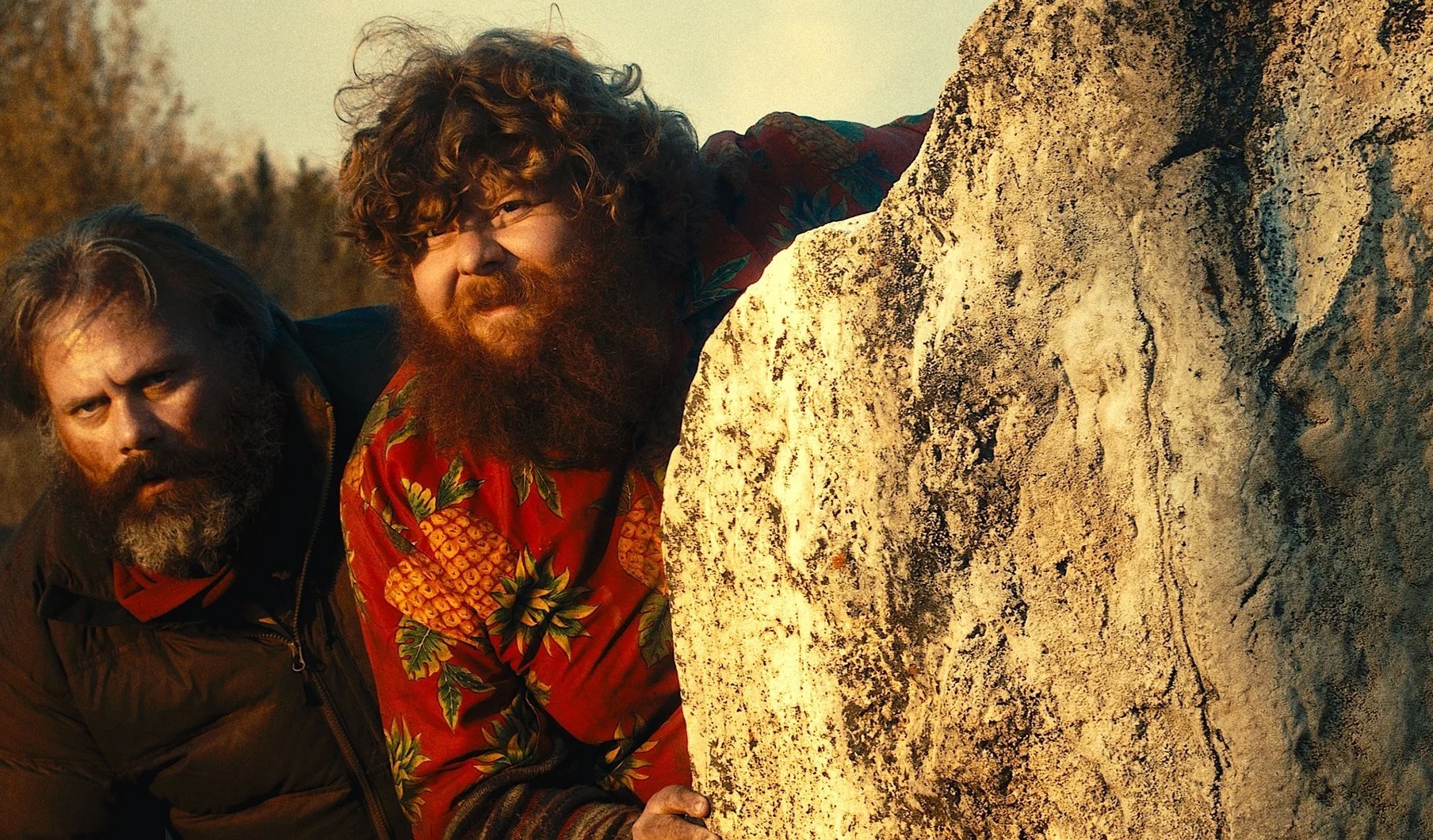

While predictable, the post-apocalyptic film is full of comedic banter and heartfelt acceptance.
3.5
“Zombieland” (2009), “The Road” (2009), “Shaun of the Dead” (2004)
A normal day interrupted by news broadcasts; slow-moving undead attack and turn victims; the search for a safe haven with groups of survivors — the zombie apocalypse horror film is familiar and often formulaic. “Welcome to Kittytown” (2024), however, thankfully didn’t check all of these boxes.
Directed by Douglas Luciuk, the movie follows two characters, Vern (Darren Zimmer) and Ted (Robert Bryn Mann), as they journey across a desolate landscape to find a rumored haven called Kittytown amid the apocalypse. Due to a failed GMO experiment, the world became a wasteland with deadly green soil, leading to one primary cause of death: sludgebutt, meaning fatal diarrhea.
Typically, movies with juvenile poop jokes don’t work; it’s unoriginal, corny and honestly, just not that funny. But “Welcome to Kittytown” has the most sophisticated and loud diarrhea sounds to ever hit the screen. Presented seriously, where every fart is a potential harbinger of death, the film is aware of the possible failure that comes from such a cliche joke in a serious moment; however, its intentionality adds to the humor.
The movie consistently walks a tightrope of being serious enough for the suspense to work but absurd enough to still be funny.
Beyond the film’s comedy, the chemistry between Vern and Ted is also a highlight. At first, Ted is annoying and constantly confused, from getting caught eating all of Vern’s winter food to refusing to carry a weapon in an apocalypse.
Vern, by contrast, is a weary and cautious post-apocalyptic survivor. Unlike Ted’s eccentric and more manic personality, Vern maintains a grim, grounded routine, foraging for canned goods and trusting almost no one.
However, Ted eventually proves to be the perfect sidekick for Vern. He teaches him how to accept other survivors despite their differences and shows him the difference between surviving and truly living in a world where Vern has only ever done the former.
On the technical side, the cinematography stands out. The film’s usage of light, whether that be the sun, fire or lanterns, reinforces both the film’s atmospheric tension and the story’s stark contrast between horror and comedy. For viewers, the reliance on natural lighting elements emphasizes the reality of the characters’ grueling journey and the emptiness of a completely collapsed society.
For example, in one scene, a fellow survivor, Sam (Todd William Lewis), invites the pair to his farmhouse, claiming it is another safe zone. However, things turn sideways when Vern finds a human arm and a stack of IDs, hinting that Sam is a cannibal. As Vern begs Ted to stay quiet in their room, Sam walks past them to the bathroom — through a keyhole, the audience watches as the light from his lantern inches closer and slowly fades out, signaling his departure.
It was refreshing to see a horror where darkness wasn’t necessary to create suspense. Oftentimes, it was bright daylight that actually made the devastated landscape creepier and more threatening.
Unfortunately and ironically, because the world the movie created was so beautiful, intricate and desolate, the film leaves viewers visually wanting more. The small cast helps sell the isolation of the greater world, but generally hurts the film. The film could’ve shown more of the post-apocalyptic world beyond desolate landscapes and a five-person cast: a bit more bodies, a bit more blood, a bit more horror.
Additionally, the film’s twist was quite predictable: Kittytown turns out not to be real. Instead, it is run by another apocalypse survivor, Charlotte (Bernadette Mullen), who talks to mannequins and pretends they are her dead friends.
The ending falls victim to the same predictability as the twist. Earlier in the film, Sam breaks a mug belonging to Ted’s deceased daughter. Ted retaliates, seemingly punching him to death before burying him.
Sam later crawls out of the earth, having always been alive and now representing the wasteland’s human threat, determined to hunt down the duo who put him there. While Vern ultimately sacrifices himself to ensure Charlotte and Ted’s safety, the resolution falls flat. The film ends with Ted discovering a note in which Vern explains how to grow potatoes in Charlotte’s plot of land while imploring her to look after Ted, feeling like a regression.
Compared to the film’s earlier subversion of standard apocalypse tropes, this hopeful, sacrificial ending feels like a fallback onto comfortable, formulaic ideas. Because the conclusion offers nothing viewers haven’t seen before, it raises the question of whether a more episodic structure — in which the characters face a series of evolving challenges along the way — might have been more engaging.
With highs and lows, “Welcome to Kittytown” is a slightly uncomfortable yet funny and enjoyable watch. With amazing cinematography and strong character relationships, the film illustrates that in a barren, isolated world, there are still reasons to laugh.