USC needs to expand its Washington D.C. reach
Sen. Gary Peters’ arrival at the University bridges Los Angeles to Washington D.C.
By EVERARDO HERNANDEZ
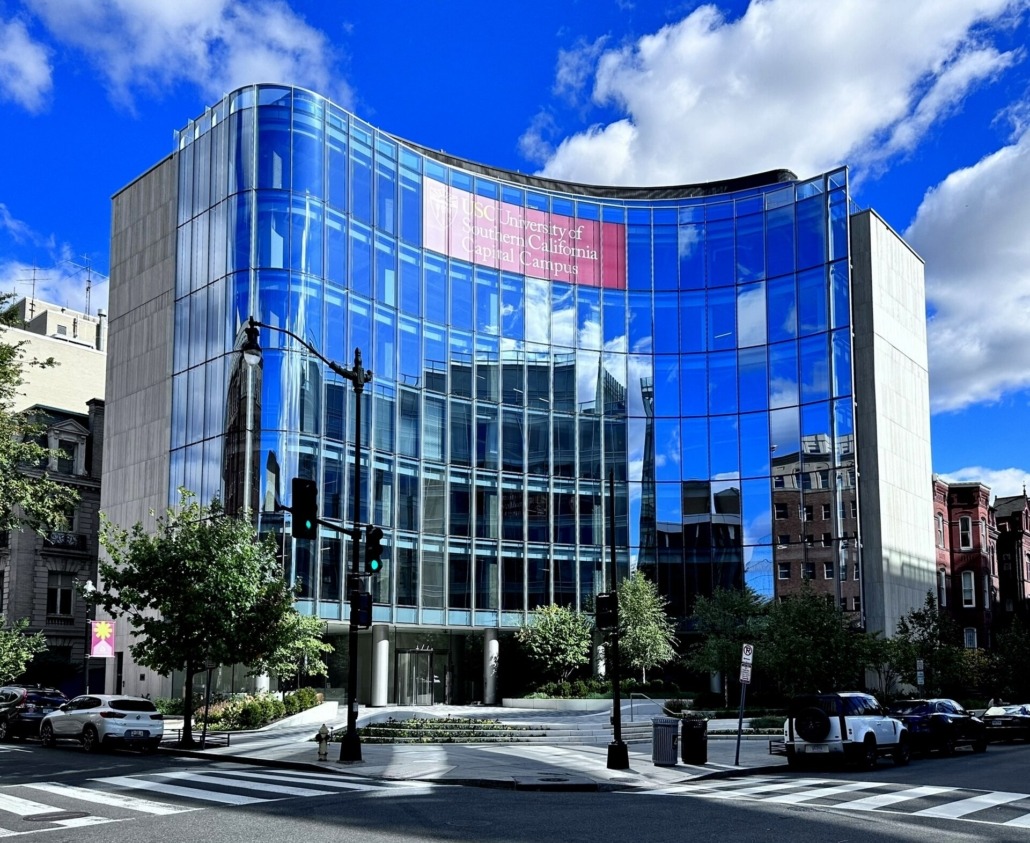

Sen. Gary Peters’ arrival at the University bridges Los Angeles to Washington D.C.
The USC in Washington, D.C. Spring Semester program provides a unique experience of immersion in our nation’s capital. Each spring, students are sent across the country to take classes while interning in different sectors of the United States’ capital.
This semester offers an opportunity to take advantage of the less-competitive internship application season of spring without having to worry about finding housing in a new city during the summer.
Still, the program has room to expand the connection between the Center for Political Future and the District. And under the new guidance of Michigan’s Democratic Sen. Gary Peters, there’s a chance of this.
“I’m excited for the opportunity to build out CPF in Washington and to engage students in a meaningful way,” Peters wrote in a statement to the Daily Trojan. “I would like to help bridge the gap between academia and practical policymaking in Washington.”
Peters could use his pre-existing political network to enhance the capital experience for students through special guests, class talks, adjunct professors and exclusive events. The University already has a strong presence in the capital as the first university in the country to have a university-based Congressional Caucus.
The Capital Campus often hosts events with policymakers and scholars but at times does not invite USC students. This could create a perception that the University’s own students aren’t beneficiaries of USC’s highly respected network. Peters’ commitment to increasing student access to such opportunities may allow the student body a window into the capital life, offering a full view of democracy at work.
As of now, much of students’ exposure to the various roles in policymaking is facilitated by professors, whether that means meeting various industry experts who make the capital move through the class, “How Washington Really Works”; activists through the class, “Social Justice Issues in Public Policy and Urban Planning”; and legal policy scholars and professionals through the class, “Washington DC Internship and Policy Research Seminar.”
What the program lacks is a consistent opportunity to meet the 11,000 USC alumni across different sectors in the capital while also taking advantage of USC’s network with non-alum professionals. Expanding this exposure to the network provided through CPF would create opportunities for students to learn about areas beyond their internships and build connections for future career opportunities.
After nearly two decades in Congress and dividing his time between Los Angeles and the capital, Peters is more than well-equipped to bring those connections directly to students across campuses.
With Peters’ bipartisan record, he will have the influence to bring varied perspectives to the campus to represent all students. In a show of bipartisanship, Peters received warm regards on his new position from colleagues in the Senate from across the political aisle. Republican Sen. Rick Scott of Florida described Peters as a bipartisan colleague who always put getting results for U.S. residents first.
Peters’ arrival at USC should not ultimately alter what the D.C. Spring Semester Program already means to students, with its renowned professors and independent research opportunities. Instead, Peters’ passion should build upon it: USC has the resources, the quality of professors and the network to push students ahead.
Expanding CPF will expand opportunities for students and build a bridge across the nation.