
Nathaniel Rateliff talks about his musical journey
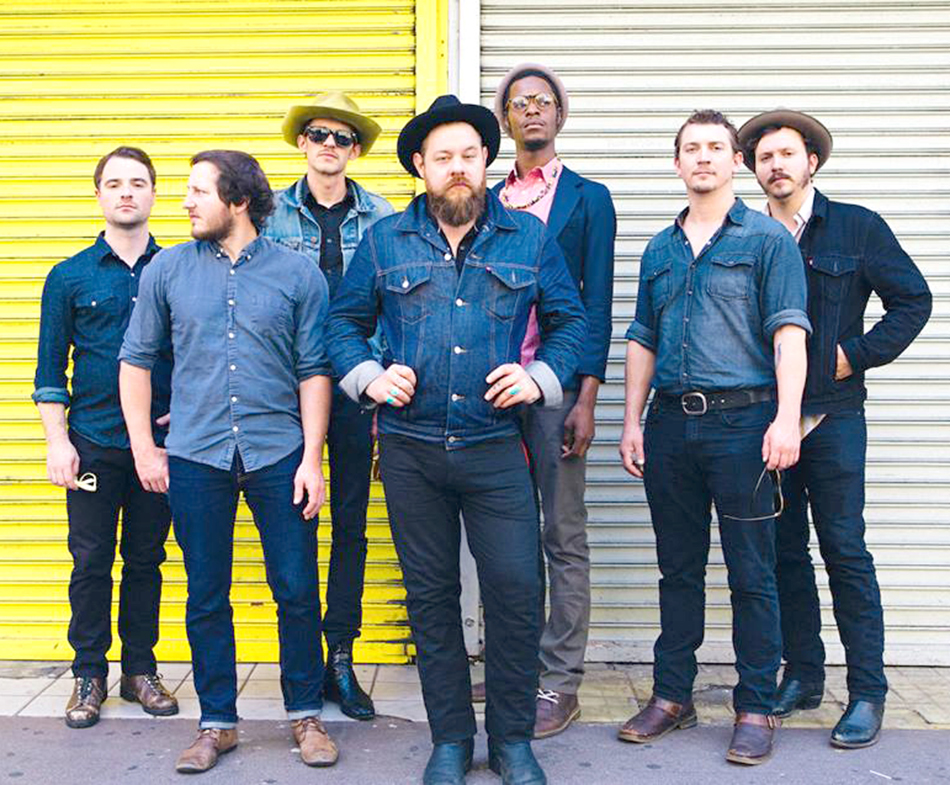
For years, Nathaniel Rateliff has been one of the most underrated voices in the music industry. His unique blend of R&B and gospel has produced many soulful tracks. In 2013, Rateliff formed his own band, Nathaniel Rateliff & the Night Sweats. Since then the band has taken off, with their breakout single “S.O.B.” and an electrifying performance on The Tonight Show with Jimmy Fallon. Tonight, the band plays a sold out show at The Regent Theater in downtown Los Angeles. Before their event, Rateliff gave some insight into his creative drive in a phone interview with the Daily Trojan.
Daily Trojan: Music critics have noted that they are drawn to your voice, which is a unique marriage of many musical styles. What music influences does your voice stem from?
Nathaniel Rateliff: I kind of wanted to do something that was reminiscent of R&B and soul, like Sammy Davidson, Otis Redding, and then I also wanted to have the band mixed in there. So, a little bit of rhythm and blues and honky-tonk is in my music as well. I don’t know, I grew up singing along to all my favorite records, so, over the years, I also sang that way. In my past records, I kind of sang more singer-songwriter stuff, sometimes in a baritone voice. It’s kind of a mixture of things, and I just voice appropriately to match the song.
DT: You grew up in Missouri and then relocated to Colorado, where music styles like bluegrass and soul are popular. How did your upbringing further influence your voice?
NR: Yeah, you know, my dad was also really into music, so he had everything from Van Morrison to other music influences in the house. When I was younger, I wasn’t really interested in bluegrass and country because there were tons of rednecks where I grew up, and they were basically the enemy. But now that I’ve gotten older, it’s kind of funny because I identify with being a redneck more.
DT: Specifically for USC students, sometimes getting started is not a matter of talent but rather finding the right people. You have a seven-piece band, with a multitude of different types of instruments. With so many people, how did you get your band started?
NR: Well, [lead guitar player Joseph Pope III] and I, we’ve been playing together for 21 years. We grew up in the same town in Herman, Missouri. His older brother was one of my first roommates when I moved out when I was 15. [Drummer Patrick Meese] … has played with me for eight years. [Keyboardist Mark Shusterman] has been with us for three or four years. Andy Wild, who plays the saxophone, is a buddy of mine, and I’ve had him play on a couple records. Wesley Watkins, is another friend around town and a great trumpet player. And actually we have Adam Schackner, who has been in a bunch of bands, and he plays the baritone saxophone, so he can kind of play anything through his own jive. And then Luke Mossman has been with us since Denver and is just a really great guitarist. You can always count on him to fill in a spot. When you’re putting people together, you’re not always thinking about how well they play, but how easy it is to hang out with them because you’re basically living with them. A lot of it is just persistence. [Pope] and I continue to make records and put out music and endure the expense of our relationships and even financial stuff. You know, you just try to make ends meet when you’re home. We’ve slept on a lot of people’s floors. We’ve been touring for years, so it’s just never been that easy.
DT: What is the creative process like with your band?
NR: For this record, and for most records I’ve done, I kind of start off by writing and recording the song, and I’ll make a demo of it. I’ll play drums and bass and the guitar, pretty much anything that I’m capable of doing until I run into a particular technical on the keys I can’t play or horn or some organ part I can’t play. Usually, you just start working on a song at home and hash it out. Things will change a bit once the band is involved. I think for the next record we might be able to have somewhat of a different sound. A band, you know, kind of creates things as we go along. So I think that will kind of change with time. Mostly, these past couple of years has been me demoing stuff out-hashing it out on my own.
DT: Since your appearance on Jimmy Fallon, you’ve been touring the talk-show circuit on top of being on the road for your own shows. Now that you’ve gained more recognition, how has the transition to the spotlight been for you and your band?
NR: We’re still figuring it all out. We’ve been on tour and trying to set up this record since the spring. We’ve been to Europe three times already and Canada and New York, and now we’re on the road. As far as transitioning, like I said, we’ve been doing this for years, but it is a little different now that, since Jimmy Fallon and the records have done well. People do act a little differently around us, which is weird, but we just try to make it so that we’re approachable and humble about everything that’s happening. You work for a long time to have something good happen.
DT: “S.O.B.” features very defying, vivid lyrics. How did you arrive at the words for your song?
NR: At first, I had an idea for the song as a sing-along. There’s an older doo-wop song that had a similar melody to that, and I thought it would be cool to have a gospel-like sing-along to that. I just tossed around the idea and was joking around with the whole “son of a b*tch” thing. It kind of came together. I had an experience when I was away from home once that I quit drinking ,and I ended up having drink tremors. It was a pretty scary, horrible experience. So, I was trying to make light of that, that it’s toxic for everyone’s families. I just tried to make it a little light-hearted, but at the same time, I was also calling myself out. I’m just trying to be honest with myself.
DT: Do you have any advice for USC students aspiring to break it into the music scene?
NR: If you discover that you like playing music, and you want to do it, I would recommend that you don’t make it your career. But if you’re interested in that, I think the only advice is to find people that you love, who love playing music and want to do it with you and to stick it out. Do what makes you happy, and if you’re lucky, it’ll make other people happy too.