
Anti-drag laws fail to recognize the vitality of the art

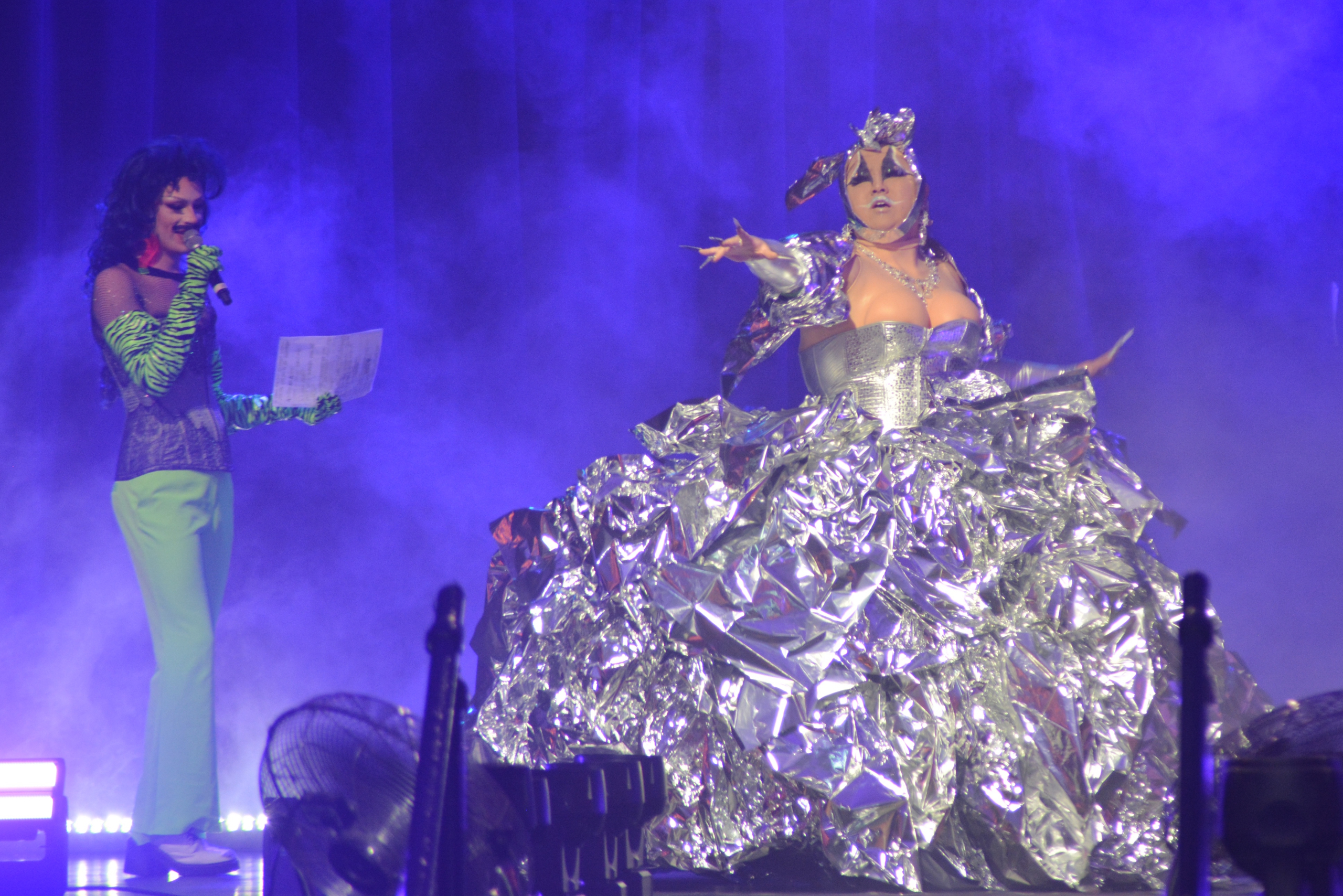
For some reason, it initially surprised me that America is undergoing a cultural regression in 2023. Call me naive for believing that we live in a place and time that would no longer attempt to legally restrict, repress and confine the careers of entertainers and performers. I thought that boldly villainizing artists was something left for the conversations among conservative conspiracy theorists — harmful sure, but ultimately taken lightly because, hey, who’s really listening to them anyway?
I could not have been more wrong.
According to The Guardian, in February, Tennessee was the first state to pass a law banning what they named “adult cabaret performances,” specifically in public property and places where performers might be viewed by children. Drag entertainers are the true targets, as revealed by the law prohibiting male or female impersonators, with the threat of a misdemeanor or felony for violating this law.
However, a federal judge in Tennessee recently blocked the bill temporarily, stating that the legislation was too “vague” and “overly-broad,” halting the bill from going into effect.
We can breathe a temporary sigh of relief; however, the message is still loud and clear: The art of drag is still being besmirched and misunderstood. After all, 18 states nationwide seek to restrict or outlaw drag performances. Even with the rising popularity and exposure of the art, drag is still falsely reduced to and represented as a promiscuous, unnecessary danger.
What’s more, these laws can potentially ruin the livelihoods of these entertainers. With drag being a full-time career for many entertainers, these bills would put not just individuals, but businesses at risk.
With these harmful narratives potentially destroying means of income, they also simultaneously target visibility. Continued anti-LGBTIA+ sentiment fuels the homophobic and transphobic fire that must be extinguished — particularly for trans people.
Now, more than ever, we must acknowledge and recognize drag’s rich history and vitality as a performance art. Drag queens have been pioneers for gay rights and activism for years, spearheading social justice movements and marches while uniting LGBTIA+ underground spaces.
Drag queens today are finally getting the recognition and following they deserve. The successes of long standing drag and gay bars like Barracuda Lounge, Catch One — back when Jewel Thais-Williams owned it — and Hell’s Kitchen attest to the importance and popularity of drag in the community.
Additionally, drag has undoubtedly surpassed the bar and club spaces. I couldn’t write this article without mentioning RuPaul’s Drag Race. While the show has its flaws regarding “fan servicing” drag and creating questions on the authenticity of the art, it is undeniable that RuPaul has forever changed expectations on what drag can embody. From the show, queens are now selling out theaters and going on tours like Werq the World, walking on runways like the Savage X Fenty Show, appearing in music videos, hosting talk shows, performing on Broadway — the list is quite literally endless.
Drag is alive and well. Conservatives attempting to stifle these entertainers only emphasize their lack of education and knowledge of the art. Two-time Drag Race winner and Broadway actress Jinkx Monsoon addressed drag’s resilience in an interview with MSNBC.
“To the people trying to oppress my community right now … look what’s happened every time you’ve tried to oppress a community in America … you tried to oppress women, women got the vote,” Monsoon said. “You tried to oppress people of color, we’re not accepting that anymore … There are places where it’s safe to be queer, or a drag queen or trans at any age, and there are places in this country where it’s not … We need you with us to keep fighting for our freedoms and liberties and equalities.”
Drag has never been about corrupting children or pushing sexual agendas onto young people; it was born out of resistance, entertainment and self-expression.
I pay $10 a month for the Sibling Rivalry podcast, featuring Bob The Drag Queen and Monét X Change, and I attend local drag shows nearly every week. Last year, I spent more than $300 at DragCon — not including the VIP ticket — and this year, I interned for the annual USC Drag Show. These falsified narratives of drag could not be farther from the truth, and I am proud to say there is much more to the art than meets the eye.
I firmly believe that introducing children to drag benefits all parties involved. Queens are some of the best people to teach young people universal lessons like confidence and the importance of acceptance. Programs like Drag Queen Story Hours provide children with an educational environment that exposes them to a new culture while keeping a fun and colorful atmosphere.
We must continue advocating for visibility for these multi-faceted, talented entertainers. Attend a drag brunch, see a local girl at a bar or go to a drag bingo night. Whatever it may be, keeping drag prominent and supported is one of the easiest ways to combat attempts to outlaw it.