Stop demonizing Disney adults
Society’s hatred of Disney adults shows our refusal to let others feel joy.
By ABIGAIL MANN
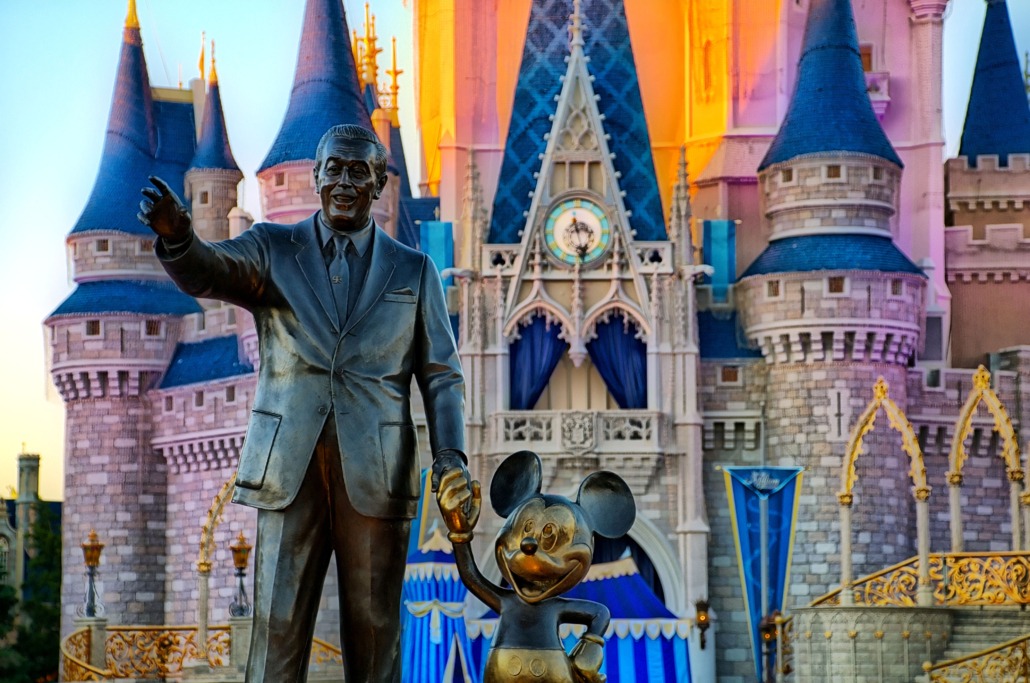

Society’s hatred of Disney adults shows our refusal to let others feel joy.
Every few weeks, the internet finds a new group of people to ridicule, and it seems like Disney adults never quite escape the rotation. TikToks and X threads enthusiastically mock grown-ups crying during fireworks or saving up for limited-edition backpacks and Mickey Mouse ears.
Although many videos display trends that are worthy of concern such as dangerous levels of infatuation or bothering underpaid employees, some of the hate is simply directed toward people “not acting their age.” The subtext is clear: Adulthood and the childlike Disney style shouldn’t mix. But, in these depressing times, maybe they should.
Critics often portray Disney adults as childlike addicts of consumerism who worship major corporations like gods. It’s an easy jab, especially as fandom culture has become more popular and widely discussed since the coronavirus pandemic.
But, this common critique ignores why Disney endures: It offers a shared vocabulary of care, friendship, nostalgia and perseverance. Visiting Disneyland after a stressful semester isn’t regression; it’s comfort.
It can be fun to focus on putting together a cute outfit to match your favorite character at the park — also called “DisneyBounding” — or going to one of Disneyland’s special Halloween nights with your friends rather than closing your eyes through the more “popular” and “cool” Halloween Horror Nights at Universal Studios. Not every personal project or community bonding activity you do has to be cool or mature.
Just as others find joy in binging video games, watching movie marathons or collecting sneakers, Disney fans see it in spinning teacups and animated movie soundtracks. Society rarely mocks grown men for painting their faces in their team colors or wearing their favorite player’s jerseys.
Yet, we label women, queer and neurodivergent adults who enjoy films and theme parks as “cringe.” Notably, more than three quarters of self-identified Disney adults identify as women. That double standard reveals more about our biases than it does about Disney lovers.
“Mature” and “male” interests are rarely antagonized in the same way that more frivolous and childlike interests and activities are. It’s considered normal when a group of men host a Super Bowl watch party, but it’s the end of the world when people want to visit a Disney park on their day off or listen to a musical soundtrack on their way to work. There is an unspoken hierarchy of interests that feeds into misogyny and kills joy.
There’s also a creative side to this fandom that goes unnoticed. Many Disney adults design outfits inspired by their favorite characters, produce artwork and plan meetups where they can share their passion and art with others. At a school like USC that reveres the arts, we should recognize that, more than anywhere else, Disney helped pioneer animation as an art form and method of storytelling.
And there’s, of course, the nostalgia factor. Disney enjoyers may feel a yearning for a world that feels safe, kind and full of wonder. Nostalgia doesn’t always signal immaturity; psychologists such as Michael Rucker, author of “The Fun Habit,” say that healthy doses of nostalgia can be healing and good for the soul. In unstable times, revisiting the movies or parks that once made us feel more secure can regulate emotions and reduce feelings of loneliness.
The cultural contempt for Disney adults fits neatly into a larger problem: the hater epidemic. Many who are unhappy with their own lives hate seeing displays of uncomplicated joy. Somewhere between club applications and LinkedIn updates, we learned to equate seriousness with maturity and sincerity with naivety. Yet, isn’t it just as mature to admit that joy matters as much as productivity?
It is important to note that people in the Disney community who struggle with “Peter Pan syndrome” and have psychological difficulties with growing into adulthood should be considered as part of an entirely different group and should be treated as individuals with genuine mental health concerns.
On a similar note, no level of fandom enjoyment should justify the harassment of performers and customer service workers. Things get dangerous when enjoyment bridges into obsession.
Still, it is possible to enjoy Disney in a way that doesn’t warrant the hate that many Disney adults receive daily. People should be allowed to enjoy things in healthy doses as long as they are not harming others or the world around us.
Loving Disney as an adult isn’t about pretending to live in a fairy tale. It’s about pausing for a few hours to believe that happy endings, or at least hopeful moments, are still possible. It’s refusing to let exhaustion, burnout and irony be the only acceptable adult emotions. That kind of optimism might be one of the most grown-up things we can choose right now.
So, the next time someone posts a picture of their latest Disneyland trip or cries during a Pixar film, let them have that moment. Life, and especially college, will always find ways to challenge our sense of comfort and wonder. But if someone can still see magic in a mouse-shaped ice cream bar or goofy parade, maybe the world could use a little bit more of that kind of magic, too.