The Dodgers’ win cannot overshadow their ownership ties
As a lifelong fan, this World Series win calls for the team to stand by its supporters.
By HEYDY VASQUEZ
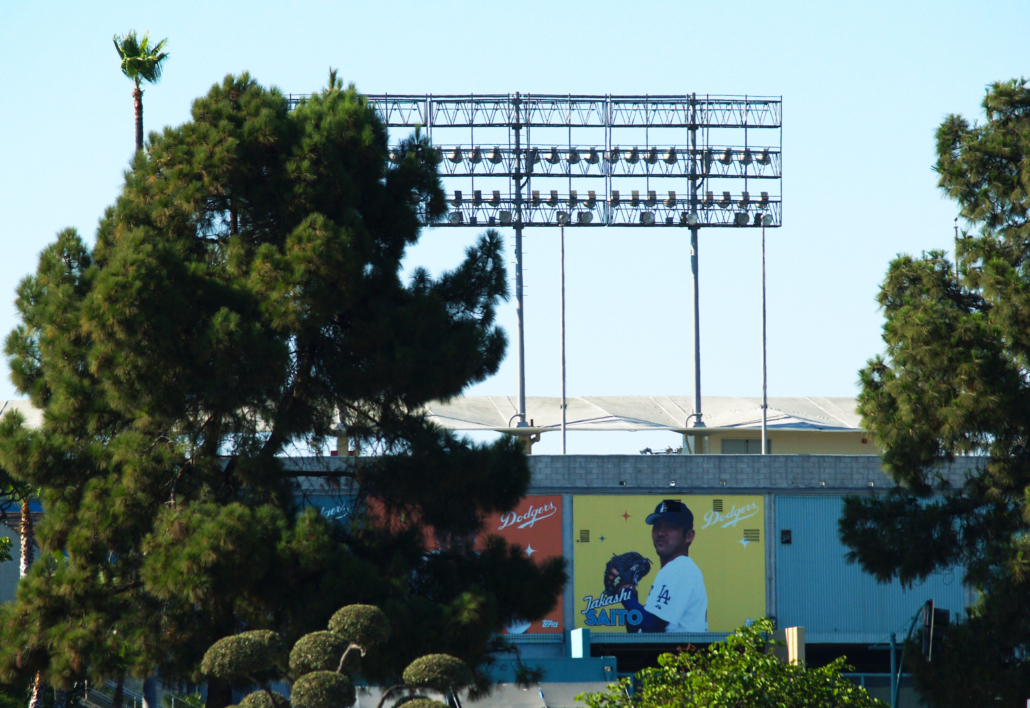

As a lifelong fan, this World Series win calls for the team to stand by its supporters.
I was raised on Sunset Boulevard across from the historic Nayarit restaurant — once a hub for migrant workers and families carving out a home in Echo Park. Growing up only blocks away from Dodger Stadium, for many of us, the Dodgers weren’t just a baseball team but culture. Players like Fernando Valenzuela become symbols of pride for Latino youth and flags become badges of identity proudly waved in Echo Park homes.
Our elementary schools received free tickets and every few months, players visited classrooms, handing out signed balls and talking about teamwork. During the holidays, the team sponsored community drives where kids like me sat in the dugout and met players up close. I grew up watching the Dodgers traffic, while my father struggled to find parking on nights they played.
For immigrant families learning to find our place in the United States, the team always made room for us, furthering the feeling of being welcome in the City of Angels.
As a kid, I’d walk to the stadium and see players like Adrián González walk in to the tune of Mexican Banda music. It stood as proof that the team saw Latino culture as central to its identity. That’s why the recent development of the Dodgers’ ownership supporting U.S. Immigration Customs Enforcement strikes a painful chord.
Billionaire businessman Mark Walter owns the Dodgers, and recently acquired a majority stake of the Los Angeles Lakers. Walter also serves as CEO of Guggenheim Partners — a financial firm that shares a 0.38% stake in the GEO Group — a private prison corporation operating ICE detention centers. The team has gone as far as trademarking “Los Doyers” all while Walter is profiting off the removal of Latinos in the city.
For decades, the team has proudly embraced L.A.’s Latino identity through heritage nights, Spanish language social media and jerseys designed with flags symbolizing the immigrant roots of its fans. But actions speak louder than press statements. Supporting institutions that tear families apart undercuts everything the Dodgers have stood for in the L.A. immigrant community.
ICE has terrorized communities where beloved Dodgers fans reside. Walter is not only profiting from what Latino Dodgers fans have made of the team but of the system that forcibly removed us from the country.
His leadership extends as CEO and chairman of TWG Global, a diversified holding company, which recently partnered with Palantir Technologies — a data analysis firm that ICE paid $30 million to build facial recognition and data fusion to support its immigration crackdowns. Not only does it stand as betrayal, but it also stands as a symbol of profiting off Latino fans with merchandise while actively participating in the racial profiling and removal of the community.
The Dodgers controversy extends to how it acquired the land to build the stadium. The history of the stadium originates from city negotiations that displaced a prominent Mexican American community.
Originally, the city of L.A. acquired the land known as Chavez Ravine for a public housing project called Elysian Park Heights. However, this project was later abandoned and the city traded the land to then-Dodger owner, Walter O’Malley, in exchange for the construction of a new stadium for the team. The effect was daunting: Residents were forcibly removed by the L.A. Sheriff’s Department, and what they built for themselves was erased by the city.
As someone whose own family has been displaced by the wave of gentrification taking over the community, I can not help but feel conflicted when people invoke the memory of Chavez Ravine as a symbol of loss — yet when they visit the neighborhood, they overlook local businesses that have managed to survive.
It’s confusing to see language of solidarity used publicly while the everyday choices of visitors continue to push out the families and small shops that give Echo Park its character. Mentioning the memory of Chavez Ravine means more than acknowledging history; it’s standing with the people who still fight to remain there.
Discussing Walter’s ownership isn’t just a matter of business but reflects concerns over values and priorities. Examining who holds influence over the Dodgers is part of understanding how power moves across L.A., from boardrooms to ballots.
I deeply understand the pride in our team. However, it is crucial to pressure the team to withhold gestures like visiting the White House.
There is power in numbers — the countless fans attending the Dodgers parade should also be voting in midterm and special elections. Directing this energy toward the ballot box ensures that communities that are unable to vote are represented across all levels of government. It is especially crucial to demand accountability from the Dodgers’ ownership and call out its partnership that undermined the backbone of the franchise: immigrants.
I am not here to shame those cheering for the Dodgers’ victory and Clayton Kershaw’s retirement, as I myself cheer for the team — it’s still my team. This team has been part of my life, my neighborhood and my family’s history. It’s how my family learned to speak English and about American culture.
For us raised in Echo Park, our fandom is complicated. We can love the team but still hold it accountable. True fandom goes beyond celebrations; it means standing up for justice and those responsible, both off and on the field. After all, the Dodgers would not be who they are today if it weren’t for immigrants.