GLOBAL GASTRONOMY
Himalayan House leaves guests craving more
The restaurant serves a wide variety of Indian and Nepalese food, providing the perfect Himalayan bite.

By PABLO RODRIGUEZ
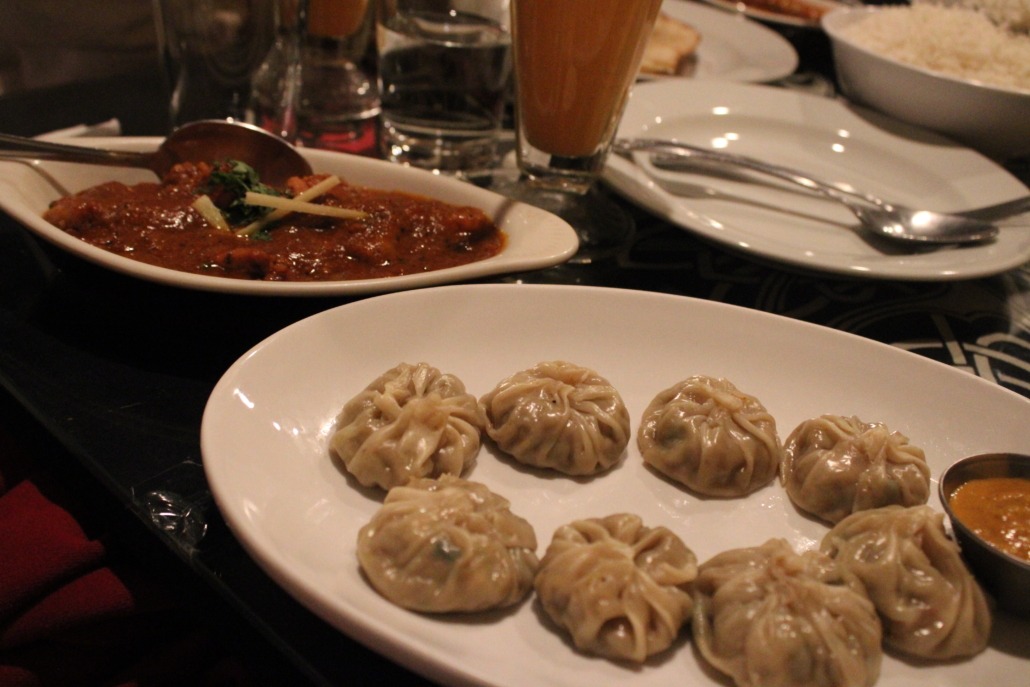

The restaurant serves a wide variety of Indian and Nepalese food, providing the perfect Himalayan bite.
A few months ago, a group of friends recommended I try a restaurant they swore served the best food they had ever tried in their lives. For months, I kept hearing them rave about it until I finally decided to go and try it out for myself. After a short walk down Jefferson, just west of campus, I arrived at Himalayan House.
Himalayan House, named after the Himalaya Mountain Range, features authentic Nepali and Indian flavors. After one visit, I can confidently say that I want to try more.
The moment I walked into the restaurant, I knew I was going to get a great experience. Tibetan prayer flags adorned the back wall, while pictures of the Himalayas stretched across the side walls, even managing to make it onto the tables themselves. In the back left corner sat a big Buddha statue, presumably smiling from the food he gets to smell all day.
The menu itself showcases a wide variety of food, perfect for the large group I came to the restaurant with. Not only that, but all the curries can be ordered with differing spice levels, making the food accessible to any spice-challenged friends.
After ordering, the first to the table were the lassis. Lassi is a beverage made from a yogurt base and is typically combined with water or milk, with fruit also usually added. My group ordered mango and strawberry lassis.
The strawberry lassi had a texture between that of a smoothie and a milkshake, tasting of perfectly sweet, fresh strawberries. As a mango lover, I immediately fell head over heels for the mango lassi. It was thin yet creamy, almost a velvety texture. Like the strawberries, the mango tasted sweet and fresh.
When the food came, it looked like a Thanksgiving feast. Plates of curries lined the table, circling our order of garlic naan and complimentary rice. I ordered the chicken vindaloo, a Himalayan-spiced curry served with chicken and potatoes at the mild spice level, giving the curry a nice warm feeling. I can already imagine myself ordering this as a pick-me-up on a cold day, where a higher spice level would be more than welcome.
The chicken was incredibly tender, basically melting in my mouth. The potatoes were soft and served as a good receptacle for the curry. Served over fluffy rice, the dish came together seamlessly, each bite a perfect combination of different textures and flavors.
One of my friends next to me ordered the chicken tikka masala and was generous enough to give me a bite. The curry tasted like an elevated version of tomato soup. The chicken in this dish wasn’t as tender as the vindaloo, but was still soft. The rice mixed with the tikka masala was a match made in heaven, resulting in me having to restrain myself from finishing my friend’s plate.
The garlic naan was incredible. Crispy on the outside yet flexible enough to bend and scoop, it avoided the bloatedness of butter-soaked garlic bread. Instead, the naan had a simple and light-yet-sharp approach. The garlic seasoning made the naan delicious on its own, but when mixed with the curries, it was a game-changer.
With both the vindaloo and the tikka masala, the naan served as a stable base to hold your food, while also elevating both dishes with its garlic flavor. The mix of vindaloo, chicken, potato and rice wrapped around the garlic naan was a diverse assortment of flavors and textures, all coming together perfectly.
Both vindaloo and tikka masala are representative of India’s culinary history. Vindaloo comes from the city of Goa, a former Portuguese colony. It was adapted from a Portuguese dish, carne de vinha d’alhos. The origin of tikka masala is unknown, believed to have been created in either Scotland or somewhere in the Indian state of Punjab, but has spread to Indian restaurants around the world.
For a restaurant boasting both its Nepalese and Indian food, I had to try something that was distinctly Nepalese: momos. Momos are a dumpling with origins in the Himalayas, making their way from Tibet to Nepal thousands of years ago. Momos are often filled with minced meat, like chicken, or vegetables, along with spices.
The vegetable momos had soft dough that was chewier than other dumplings I’ve had before. The filling inside was great, featuring a mix of vegetables, with a lot of what I believe was spinach. The spices provided a nice heat, not too spicy but still spicier than the mild vindaloo.
The momos also came with a tomato-sesame dipping sauce. The sauce had an almost black pepper taste to it, but was also airy and light. The sauce provided a much different yet complementary flavor to the momos, making every bite feel like someone scratching your head in just the right spot.
From Indian classics that Americans are used to to Nepalese dishes that feel more niche, Himalayan House excels at delivering delicious, belly-filling meals. Its wide menu is filled with choices perfect for inexperienced foodies or those whose palates stretch up to Mount Everest. If you and your friends are hungry one night after hours of studying, take a Fryft to Himalayan House and enjoy what it has to offer.
Pablo Rodriguez is a junior writing about international cuisine in Los Angeles in his column, “Global Gastronomy,” which runs every other Wednesday.