New COVID-19 variant could evade vaccine immunity
The cicada variant has spread to over 25 states, but it does not appear to cause more severe symptoms.
By QUINTEN SEGHERS

The cicada variant has spread to over 25 states, but it does not appear to cause more severe symptoms.
The previously rare “cicada” COVID-19 variant, which has mutations that could make current vaccinations less effective, had spread to more than 25 states, including California, as of March 19 and is causing concern among public health officials.
Chief Campus Health Officer Dr. Sarah Van Orman said while COVID-19 mutates rapidly, scientists have not found any variant, including cicada, that causes more severe symptoms than the original. She said cicada appears to cause typical COVID-19 symptoms: nasal congestion, fever, runny nose, cough and fatigue.
The variant was first detected in South Africa in 2024 and was identified in the United States in June 2025, but has recently begun significantly spreading, according to the Centers for Disease Control and Prevention.
The University runs a wastewater surveillance program which can identify if COVID is present in USC’s wastewater, but it lacks the complex and expensive equipment needed to identify specific variants, Van Orman said. However, strain-specific testing can be conducted by the County of Los Angeles Public Health. Currently, levels of COVID-19 are “very low” in California, according to the CDC.
“[Knowing] whether a variant is on our campus versus in the community doesn’t necessarily change what we will do from a public health response standpoint,” Van Orman said.
Van Orman said Student Health would not give isolation housing for any students infected with respiratory illnesses, including the cicada COVID-19 variant, citing the high number of cases each year. At the start of the 2020 pandemic, Student Health provided rooms at USC Hotel for students returning from studying abroad to self-quarantine.
Van Orman said students living in a dorm with an infected roommate should “help [their] colleague out” by wearing a mask, regularly cleaning shared surfaces and washing their hands.
“If there’s someone who has severe immunosuppression, a severe heart or lung disease, we encourage them to reach out to us and make a plan about what to do if they’re living with somebody who develops [a respiratory illness],” Van Orman said.
USC wastewater surveillance testing from April 5 found “low” levels of COVID-19 in Parkside Apartments, the third-lowest detection category in Student Health’s system. “Moderate” levels, one step above “low,” were detected last month at Cale and Irani Residential College.
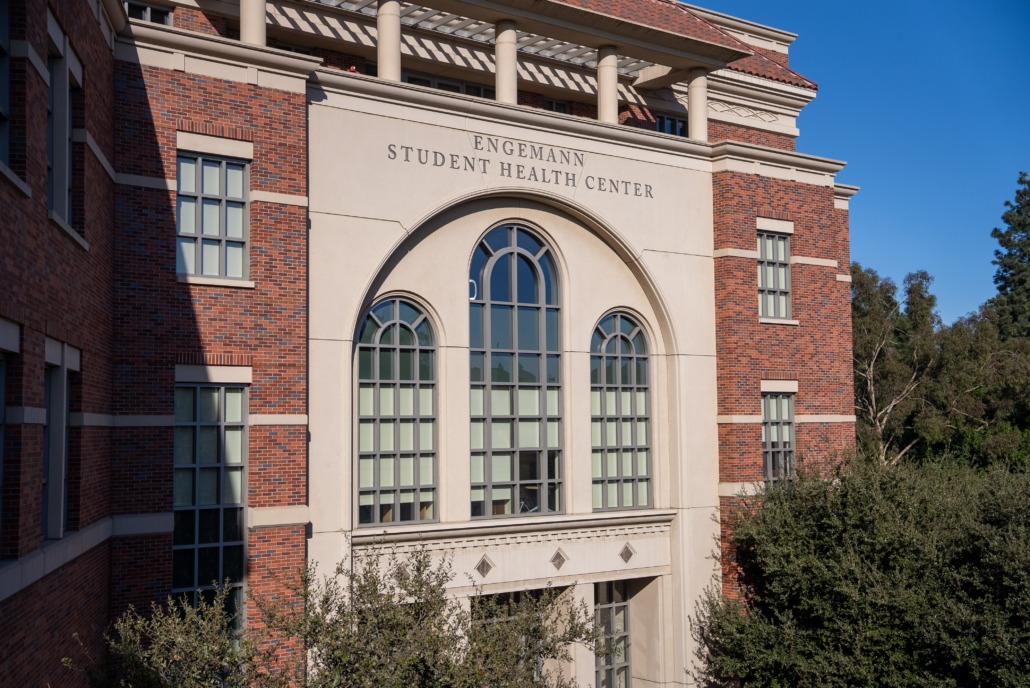
All students can pick up a COVID-19 testing kit free of charge at either the Engemann and Eric Cohen Student Health Centers, located on the University Park and Health Sciences Campuses, respectively.
COVID-19 mutates more rapidly than other respiratory illnesses, such as the flu, which raises ongoing concern that a new, deadlier strain capable of evading current vaccines could emerge, Van Orman said.
“There’s still a great deal we don’t know about it,” Van Orman said. “We probably have enough tools now to not have another global pandemic [from COVID-19], but it is possible we still could get a strain that causes a bump in hospitalizations, a bump in death.”
One thing that is known about COVID-19 is its unpredictability, Van Orman said. While respiratory illness typically follows a seasonal cycle, she said COVID-19 has refused to settle into any pattern. Nationally, cases spiked in summer 2022, fall 2023 and again in summer 2024, according to CDC data.
Wastewater testing can do more than just detect respiratory illnesses: according to Van Orman, it could be used to detect any illness. Student Health, exploring this possibility, did a trial run of using wastewater surveillance programs to detect sexually transmitted diseases and decided not to make it “an ongoing project,” Van Orman said. The University is working toward gaining the equipment necessary to test wastewater for measles, however.
“You can do just about anything. It’s all about the cost,” Van Orman said. “We could test for the common cold virus, the rhinovirus, but [it] wouldn’t necessarily change anything or provide any useful information to anyone.”