UNDOCUTALES
Every student should be celebrated
The outrage against UndocuGraduation ceremonies across California rings incredibly insensitive.

By HEYDY VASQUEZ

The outrage against UndocuGraduation ceremonies across California rings incredibly insensitive.
As golden hour begins, seniors line up in front of Tommy Trojan to take their graduation photos. The season of celebration and completing milestones has begun.
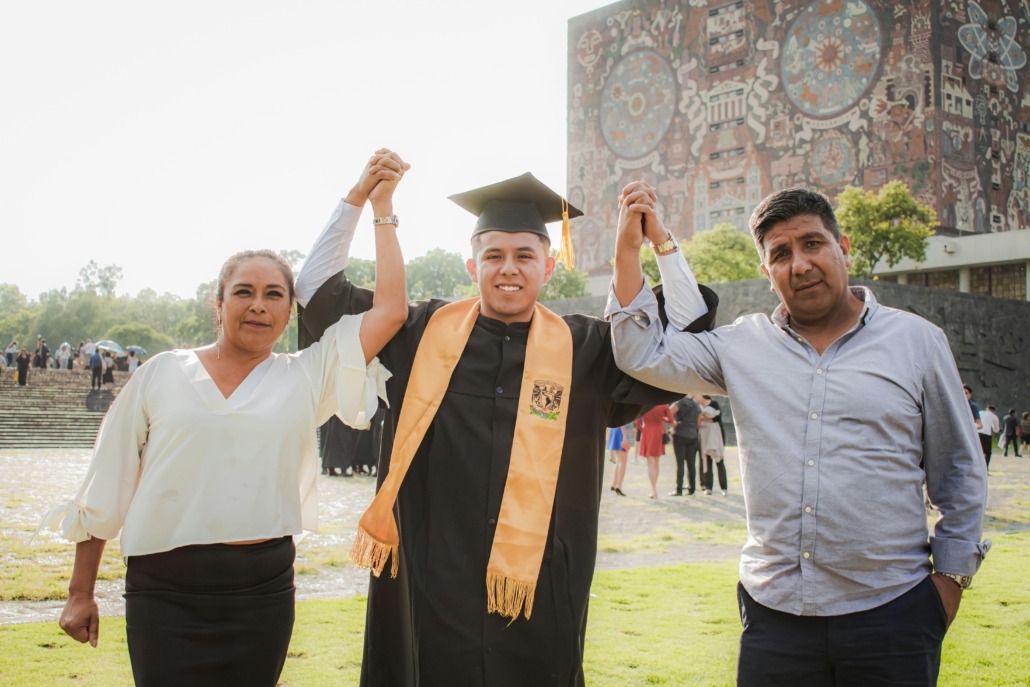
To celebrate the accomplishment, many university affinity organizations host individualized ceremonies to honor the achievements of students from historically marginalized communities. For many students graduating, they will be the first in their family, continue a legacy or surpass systemic barriers that have made it difficult to reach graduation.
Undocumented students comprise a small margin of graduates each year. In 2024, a report conducted by Higher Ed Immigration Portal found undocumented students make up only 1.9% of all students enrolled in higher education — with 88% pursuing an undergraduate degree and 12% enrolled in graduate programs.
This small number matters because undocumented students face systemic barriers that limit their access to opportunity. These experiences range from limited in-state financial aid based on the state’s policies, ineligibility to work and limited scholarship opportunities.
Undoubtedly, to be able to reach the end is testimony of defeating all the odds placed against you, making graduation celebrations like UndocuGraduations meaningful — an intimate graduation celebration separate from university-run commencement ceremonies.
Given the heightened immigration enforcement across the nation, these celebrations hold a greater significance but inflict fear within the community.
This fear becomes especially reasonable given a recent article by Campus Reform, — a prominent conservative media outlet, which outlined five California universities hosting UndocuGraduations — USC being referenced as one of the universities.
Reading the article, the argument of the piece is unclear, but through the chosen language, it is clear the piece holds an anti-immigrant point of view. For example, they use language that does not adhere to Associated Press style guidelines, such as using the term “illegal alien” to refer to undocumented immigrants.
Despite AP style being the standard for journalistic writing, it seems as though the publication brushes this standard off to paint undocumented students as undeserving of a dedicated ceremony, even with all their accomplishments and perseverance past barriers that students with the privilege of citizenship status are allowed.
My question: Why does this matter? What is the harm being inflicted by these celebrations that calls for a report to be made?
In the article, as has been the case time and time again, the “using taxpayer dollars” argument is made to push xenophobic rhetoric.
Reading through the comments in the piece, they read, “Oh please let ICE raid every one of those,” and “A big thank you to all of these Colleges and Universities from a former Law Enforcement Officer for helping make Law Enforcement so much easier and safer for all involved.”
To be clear, USC is a private university. While the University receives a sum of federal aid, the money for these events stems from the programming fee in student tuition. Even if it was using taxpayer dollars, there is no harm caused by celebrating students for their accomplishments. Students are contributing to taxes and to the United States education system, despite their citizenship status.
The Campus Reform article states the publication reached out to all the universities mentioned for official statements and are closely monitoring development; the article notes it will be updated as new information becomes available. This ongoing reporting has created a climate of fear among students who plan to attend the event.
These students worry about publicity, surveillance or potential immigration enforcement consequences. It is saddening to see hate has gone so far that a celebration of achievement like an UndocuGrad or graduation ceremony now feels furtive and dangerous instead of joyful and proud.
The Daily Trojan reached out to the University for a statement on how it plans to support undocumented students based on the article. The University did not provide a statement.
These events are meant to honor students who have fought back against institutional oppression, yet the language used in coverage and the current political climate have turned this moment of triumph into occasions students feel the need to skip altogether.
Even in times of celebrations, it seems prejudice continues to linger, and students are faced with another fight to survive while being students. The explicit mention of USC in the report underscores the responsibility the University has to ensure that all its students — regardless of citizenship status — are protected.
While a public statement is the clearest way for students to know the University’s stance and feel reassured, they are passive and lack action. This is why the University must listen to the pleas of immigrant students and the Immigrant Trojan Success Assembly: providing embedded counselors and continuing to support University legal resources.
With just less than a month away, protecting students is not just about policy; it is about making sure that even in moments of celebration, no one has to feel like they are celebrating at their own risk.
Heydy Vasquez is a senior majoring in legal studies writing about immigration policy and its effects on students in her column “Undocutales,” which runs every other Friday. She is also an Opinion editor at the Daily Trojan.