California deserves better than Becerra
The Democratic candidate’s harkening to national issues shrouds persistent challenges at the state level.
By JACOB STRAND
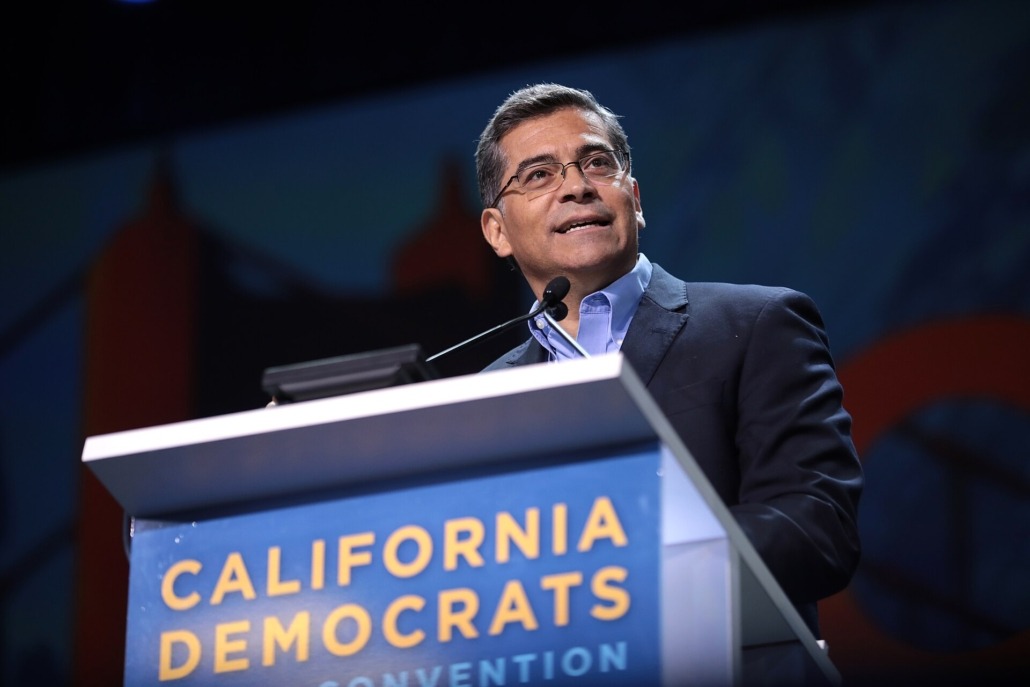

The Democratic candidate’s harkening to national issues shrouds persistent challenges at the state level.
On the evening of Sept. 30, CNN hosted the first and likely only debate between the two California gubernatorial candidates: Republican Steve Hilton and Democrat Xavier Becerra.
Throughout the barely hour-long debate, Becerra invoked President Trump’s name more than a dozen times. Becerra repeatedly tried to tie Hilton to President Trump’s agenda across all issues, from disaster response to immigration policy.
Becerra, who leads Hilton by a comfortable margin in most major polls, is the likely successor to current California Gov. Gavin Newsom. Like Newsom, Becerra’s rhetoric on the debate stage and on the campaign trail focuses on the federal administration.
But Becerra’s narrative shift to national politics diverts attention from worsening state-specific issues that existed far before the current federal administration.
Becerra has seemingly leaned on his 35-year-long political career and lambasting of the president in hopes it will be enough to take him to the governorship. In doing so, he has largely neglected to sufficiently address the wants and needs of Californians.
Becerra’s campaign has been characterized by political apprehension. The Democratic candidate has been criticized for avoiding the press and being largely absent from the media following the primary election, a pattern which his opponent has commented on in their debate.
Hilton thanked CNN “for bringing Xavier back out of hiding.”
In his limited appearances since the primaries, Becerra has displayed hesitation when it comes to making policy promises. Becerra has avoided taking a firm stance on a myriad of issues, from artificial intelligence regulation to housing policies.
On the state’s electricity and insurance rates — among the highest in the nation — Becerra remained noncommittal, proposing to study the causes but offering no policy solution. Additionally, regarding the state’s budget deficit, Becerra relayed a desire to cut administrative spending, but didn’t lay out a plan as to what that means or how.
Alongside his ambiguity surrounding policy, criticisms and questions regarding Becerra’s record have been met with equal vagueness and dismissiveness from the prospective governor. A large criticism of the former United States health secretary was his handling of a surge of unaccompanied migrant children under the Biden administration. Becerra dismissed the criticism during an interview, saying, “That’s not accurate … because it was never the case that we could not find kids. I don’t know if you got those talking points from Donald Trump.””
Becerra’s dismissal of this controversy neglects its reputable sourcing from The New York Times, which KTLA interviewer Annie Rose Ramos pointed out, but was only further dismissed by Becerra.
Only one talking point has remained consistent for Becerra: Donald Trump. Becerra has put fighting Trump among the top priorities of his campaign, referencing his record of standing up to the president on his website, on the campaign trail and on the debate stage.
On his YouTube, Becerra touts his record of battling Trump in court during his time as California’s attorney general. This is followed by a slew of remarks tying Hilton to Trump’s national agenda and cabinet, comparing Hilton’s health agenda to U.S. Secretary of Health and Human Services Robert F. Kennedy Jr. ‘s, alongside comparing his tax plan to Trump’s tax cuts.
But Becerra’s strategy of dismissing criticisms, skirting around policy positions and focusing on national politics puts aside worsening state issues. Trump’s agenda, while deeply unpopular, more often than not has very little to do with California’s affordability crisis, energy prices, high cost of living, homelessness, poverty, water supply issues and its budget deficit.
Becerra’s “fighting Donald Trump” message doesn’t address increasing economic pressures on Californians, nor does it address worsening homelessness, nor does it address the affordability and housing crisis. Becerra’s message fails to offer Californians a vision for the future beyond the politics between Sacramento and Washington, D.C.
In reality, the campaign’s message feels like a grasp at an easy political win among Californians, who largely vote along national party lines. This easy win for Becerra has overshadowed a much-needed conversation about the challenges California is facing, and has faced for a long time.
Becerra’s apprehension about discussing the problems of Californians, on top of his eagerness to blame Trump, can almost be seen as a conflation of Californians’ issues with the administration currently in the White House.
A statewide campaign should not have an agenda so focused on national issues, nor should it ignore the challenges at home.