
Stop glamorizing violent crime in media

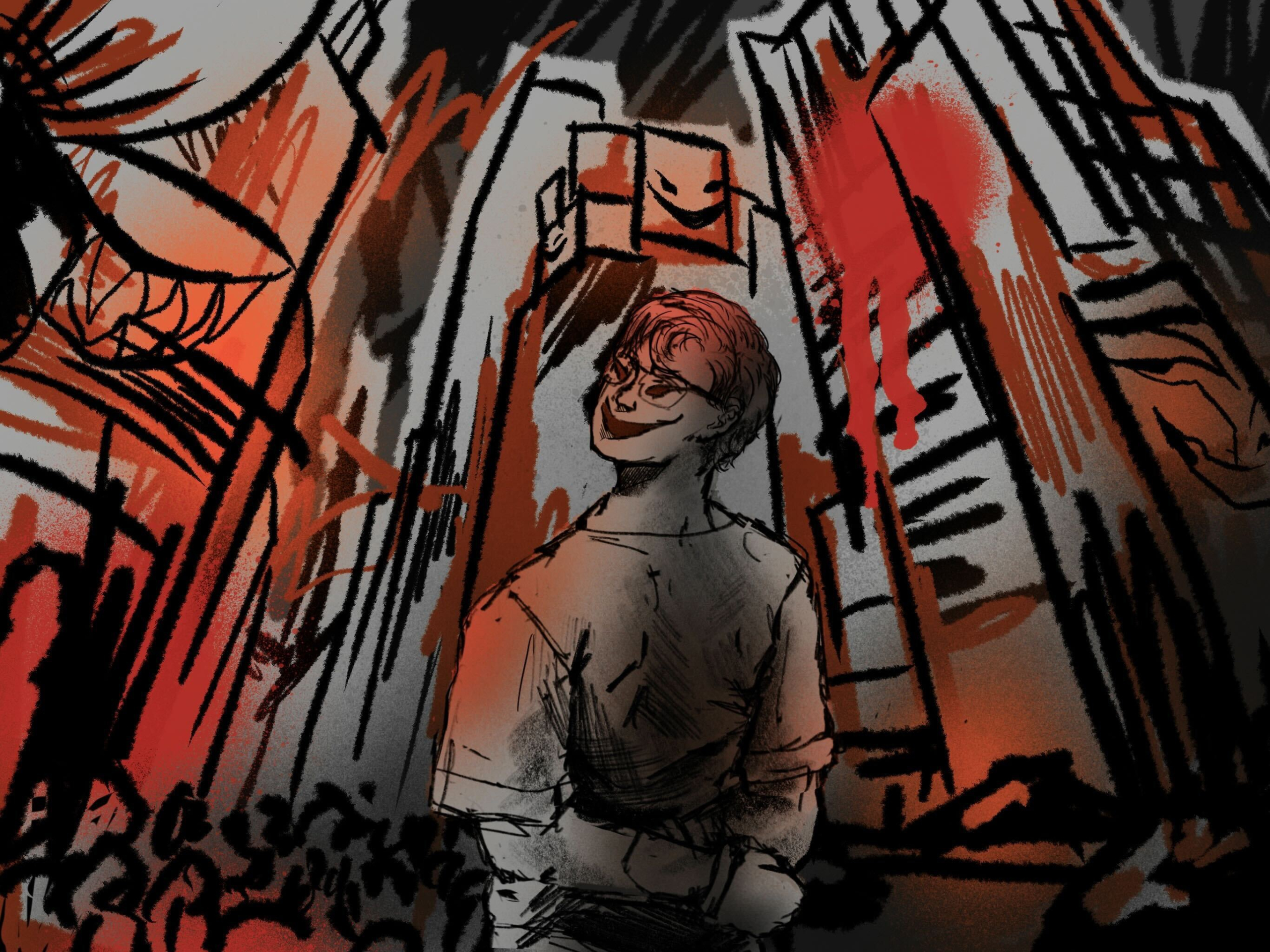
With “DAHMER – Monster: The Jeffrey Dahmer Story,” Netflix’s newest serial killer series, taking the number one spot on the top ten Netflix shows in the United States, I’m at a loss for words. Despite the immense media saturation and endless selection of shows to watch, the public still opts to give their attention to the 900th series about [insert serial killer name]’s crimes. It’s troubling to see not only a huge surge in this genre of media, but also the inadvertent desensitization to such violent crimes that has yet to be earnestly addressed.
It’s understandable to have a natural curiosity to learn the grisly details about heinous crimes that we could never commit ourselves, but where do we draw the line? Consuming media that allows us to peek behind the curtain from the safety of our homes is a luxury that is fairly new to us, but precisely for this reason, we need to establish what becomes, well, overkill, in this genre.
For the sake of making my point, let’s stick with the example of Dahmer. Since 1992, there have been 12 Batman projects released — a well-loved superhero series, so the numbers more or less make sense, right? So, how do we explain the need for the 20 projects about Dahmer’s story that were released in the same amount of time? Not to mention that this doesn’t even take into consideration the countless other TV and film series about other well-known serial killers. Unlike the fiction that is Batman, Dahmer’s is that of reality — 17 men murdered and 17 families that continue to be affected by his actions.
Not to blame consumers or anything, but I wholeheartedly blame consumers. The entertainment industry wouldn’t invest potentially millions of dollars into a series or movie if they didn’t think it would be profitable; true crime has become a consistent weakness for consumers everywhere as the industry has been able to count on guaranteed millions of views on their sensationalized projects.
Disturbingly enough, the people within the entertainment industry aren’t the only ones cashing in, as the true crime retail market has exploded with all kinds of absurd products. Online shop owner @sayitwithgracedesigns posted a video on TikTok of her handmade T-shirts with the text “Choke me like Bundy and eat me like Dahmer” emblazoned on the front — I didn’t think it could get worse until I opened the comment section to find users saying they “needed [the T-shirt]” and inquiring if there was a hoodie option.
Even though many of us are aware of how low some are willing to go to turn a profit, one of the most heartbreaking problems with the true crime industry is how they blatantly neglect the retraumatization the victims’ families have to go through when the experience is shared in the media.
Dealing with the loss of a loved one is difficult as is, and being forced to mourn with the public watching you must feel like a nightmare you can’t wake up from — precisely what the family of slain Robert Mast, victim of Lindsay Haugen, explained in their interview with TIME. Even if you had the time to grieve and process the trauma, it all becomes exponentially worse when you find that your son’s murderer has been made into a celebrity. Where is the justice in that?
After Netflix reached out to Mast’s friends and family for participation in their new series “I AM A KILLER,” his mother’s pleading emails to the corporation fell on deaf ears: “As a parent, a fellow human being, I beg you not to do this.”
Production went on as planned and worse yet, the series shamelessly portrayed Mast’s killer in a sympathetic light, cementing the levels of glaring disrespect to the victims’ families which is all too common. True crime is inherently unethical, as the industry’s profit hinges completely on the traumatic experiences of the families and encourages the normalization and inadvertent celebration of the perpetrators of these crimes.
The true crime genre was never about bringing justice to these tragic situations —instead, its purpose has become muddled with capitalism and the sensationalization of the subject accomplishes about as much as gossip does.
With true crime media flooding the market, many times we choose not to think about how these events happened to real people who must now live with that burden. The least we can do as consumers is to exercise tact when coming into contact with this genre — preferably giving victims the opportunity to forget, or more likely, to not be reminded of their experience constantly. Goodness knows that our watchlists will recover and remain just as long as ever — even in the absence of true crime anyway.