
Human disregard plays into plastic bag ban
Los Angeles made history last week when it became the largest city to pass the much-discussed plastic bag ban, catalyzing the transition from a small-scale, grassroots movement to one that’s in the mainstream consciousness.
According to the Los Angeles Times, the L.A. City Council passed the ban with a sweeping 13-1 vote. Even with the hefty majority, the plastic bag ban must first go through a four-month environmental review period to officially be put into effect. The ban calls for large and small markets to phase out plastic bags during a six-month to one-year period. Paper bags will cost 10 cents each one year after the ban becomes active.
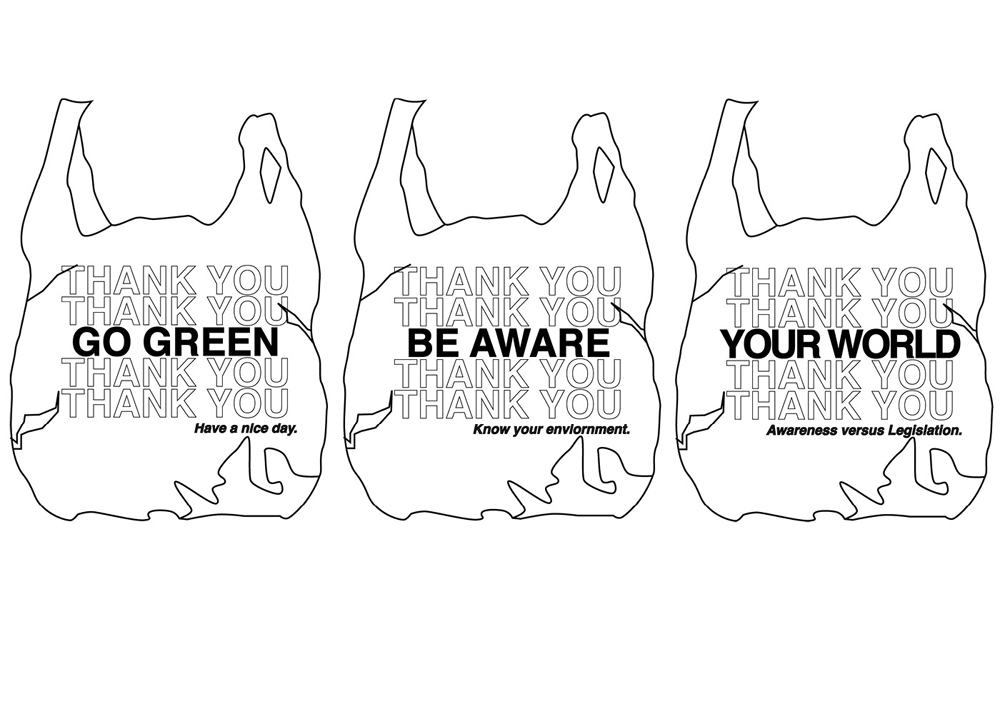
Christina Ellis | Summer Trojan
Opponents argue that the ban leads to job losses — a critical issue in this recovering economy — and serves as an inconvenience to shoppers and retailers alike. Opposition aside, however, there’s little denying that plastics are harmful to the environment, in large part because they do not biodegrade.
“Plastics are very long-lived products that could potentially have service over decades, and yet our main use of these lightweight, inexpensive materials are as single-use items that will go to the garbage dump within a year, where they’ll persist for centuries,” Richard Thompson, lead editor of the “Plastics, the Environment and Human Health” report, said according to Environmental Health News.
The plastic bag ban looks like a step in the right direction, as it encourages conservation and attempts to minimize harmful plastic pollution. But that’s where the problem lies — people are at fault for the ubiquity of plastic waste, not plastic bags themselves. Plastic bags have been made out to be the villains, when pollution is really the direct result of the human hand.
That’s not to say that people maliciously seek to litter our beaches or endanger wildlife by tossing plastic bags. It’s simply a matter of human carelessness, whether it occurs on a personal or industrial level. But this is the worst part about the ban — it has been created and put into law out of a need to engender environmental consciousness when this awareness should already be inherent.
Considering that plastic pollution affects businesses and customers alike, the plastic bag ban doesn’t serve a quick fix to pollution. Instead, societal attitudes toward the environment need to change, whether that means diligently recycling plastics at home or putting mechanisms into place at waste management companies. People need to motivate themselves to recycle and preserve; eco-friendly legislation shouldn’t have to tell them to do so.
We don’t need a Heal the Bay campaign or a dramatic commercial with Sarah McLachlan to inform us of the downsides of plastics and pollution. Keeping that in mind, awareness isn’t the crux of the issue here; it’s that people passively allow pollution without giving it a second thought. We have to ditch the passivity and use plastic bags responsibly, in the process keeping unnecessary waste out of our landfills.
Human carelessness is the issue here, not plastic bags, and the ban wouldn’t exist if people and companies treated plastic with the caution it deserves. But with such a fragile environment in our hands, we can no longer turn a blind eye.
C. Molly Smith is a junior majoring in communication and online editor for the Summer Trojan.
It’s the people that need to be educated about the environment. It’s not that people don’t care and throw bags away, it’s that people do not know. Measures like this will help “educate” people about the dangers of the bags. Measures like these need to be taken for people to wake up!
You’d think the online editor for the DT would know that her major is “communication,” not “communications” with an “s.”
No -hit Matt!