
Could Waze have unintended side effects?
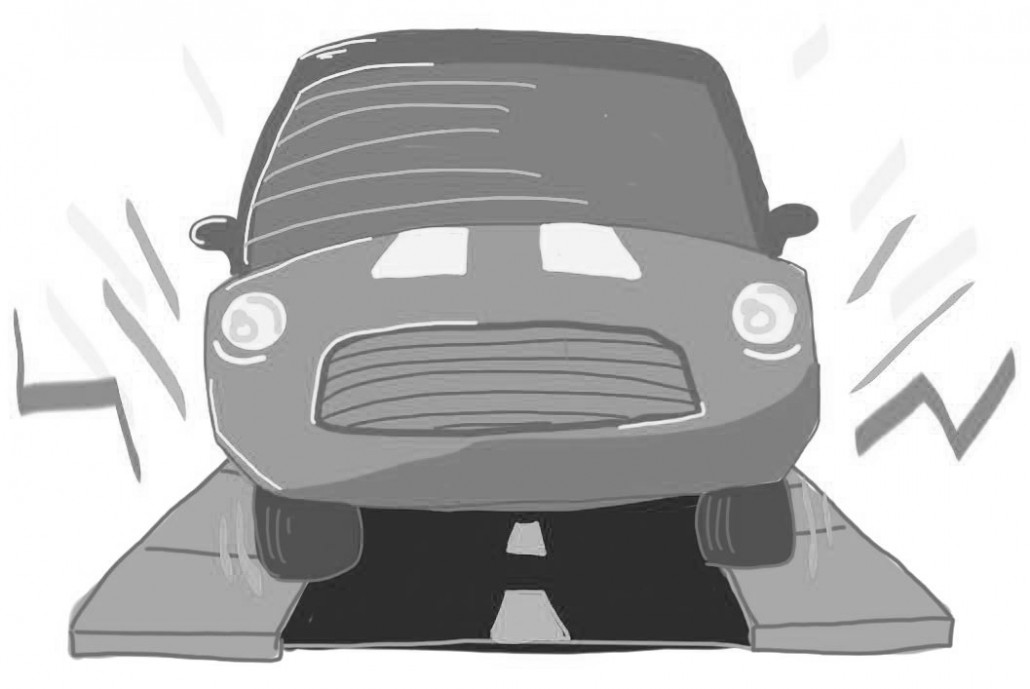
Everyone has somewhere to go. Everyone is running late and everyone is turning his or her head to find the one empty road to avoid traffic on the 110 South, the 405 or the 5. But drivers can stop turning their heads because Waze has swooped in to guide them to the shortest route to work or school or wherever they need to go. The app, owned by Google, provides alternative routes to rarely used side roads, avoiding busy freeways. It’s helping people get places faster — but it comes at a cost.
Narrow residential roads, as little as 22 feet wide, are being used as alternative routes instead of the congested Los Angeles freeways that are at near standstills most mornings and afternoons. Though these alternative routes are great for drivers in a hurry, the last thing they’re thinking about is how slow they’re supposed to go in these smaller roads. The practice of congesting roads that weren’t designed to handle major traffic isn’t just dangerous for drivers, but it also poses a huge risk for pedestrians.
“We have a massive issue here. It’s impossible for emergency vehicles to come through with all of this traffic,” Melissa Menard, a resident experiencing these problems, told the Wall Street Journal.
Undoubtedly, every hand will shoot up in the air when morning commuters are asked if they’ve ever been victimized by the I-wish-my-car-flew kind of traffic. But using relatively empty roads that people live on isn’t the answer. Residents in suburban areas pay for their safety and for the quiet lives they’re used to. As a result of the traffic in their streets, residents have given up morning walks and going to the gym. The traffic keeps residents either in their homes or stuck in their cars waiting for other drivers to let them out of their driveways.
The city recently spent $10 billion to widen the 405 freeway. The citizens of Los Angeles shouldn’t allow that money to go to waste. Freeways were meant to hold traffic, and at least for the safety and consideration of our neighbors, commuters should utilize freeways before a suitable solution can be found.
Moreover, by rerouting traffic on a mass level, Waze could increasingly urbanize suburban areas. If getting out of the driveway takes more time than making coffee in the morning, getting to work may be more frustrating than ever before. Instead of being removed from traffic, suburban areas could become places that families avoid and could have adverse effects on housing prices in the area.
Finally, we can’t forget about the pollution that increased traffic must be producing in the residential areas. Los Angeles residents already excessively pollute our air, and we should focus on keeping the pollution away from homes. So even though the traffic makes us sigh a hundred times over, let’s keep this a problem for the freeways and not our neighbors.
Laughable article written by someone who sounds like they are projecting their own views… they don’t drive on the freeway, they don’t want traffic going through their neighborhood. Let’s make up far reaching excuses not backed up by any statistical data or fact at all. Through streets already exist and are impacted